Meal prepping has become a popular habit for busy people looking to eat healthier and save time. The secret to successful weekly meal prep is having the right tools and supplies in your kitchen. If you want your meal prep routine to be smooth, efficient, and enjoyable, you need to know which essentials truly make a difference. Many beginners spend money on fancy gadgets or forget basics that actually matter. This guide will help you build a meal prep kitchen that works for you, whether you’re cooking for one or a family. You’ll discover which equipment, containers, and ingredients are worth having, plus practical tips that save you hours each week.
Must-have Meal Prep Tools
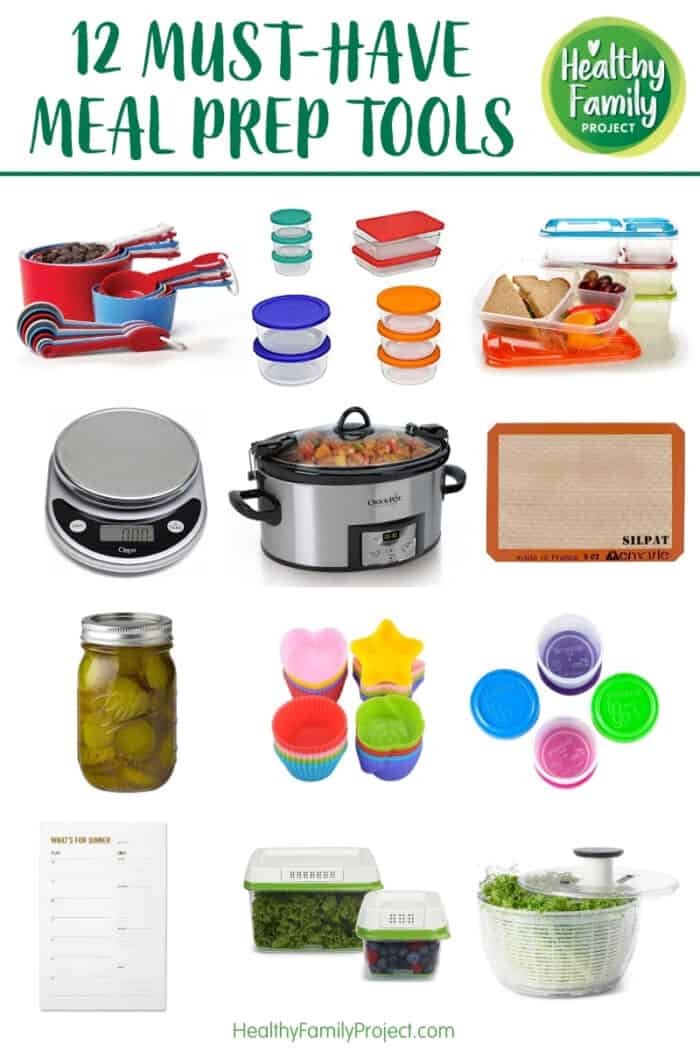
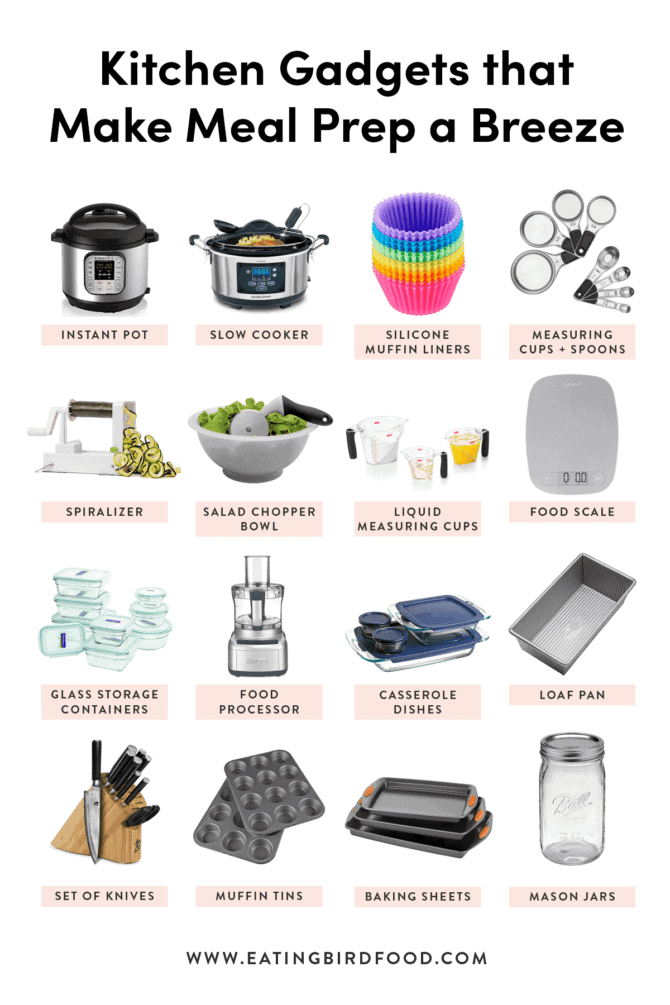
A well-prepared kitchen starts with the right tools. Without them, meal prep can feel slow and frustrating. Here are the most important items to have on hand:
Sharp Chef’s Knife
A good chef’s knife is the heart of meal prep. You’ll use it for chopping vegetables, slicing meat, and almost every meal. Dull knives waste time and can cause accidents. Look for a knife that feels comfortable and stays sharp.
- Example: An 8-inch stainless steel chef’s knife covers most prep tasks.
- Tip: Sharpen your knife every few weeks to keep it working well.
Cutting Boards
You need at least two cutting boards: one for raw meat and one for produce. This prevents cross-contamination and keeps your prep area clean.
- Plastic boards are easier to sanitize.
- Wood boards are gentle on knives but require more care.
Mixing Bowls
Having multiple mixing bowls in different sizes makes meal prep easier. You’ll use them for tossing salads, marinating proteins, or mixing batters.
- Stainless steel bowls last longer and don’t absorb odors.
- Stackable bowls save space in small kitchens.
Measuring Cups And Spoons
Precise measurements keep recipes consistent. A set of measuring cups and spoons is essential for baking, sauces, and portion control.
- Look for cups with clear markings.
- Metal sets are sturdier than plastic.
Sheet Pans And Baking Trays
Sheet pans help you roast veggies, bake proteins, or cook entire meals at once. You can prep large batches and save time.
- Heavy-duty pans heat evenly.
- Silicone mats or parchment paper prevent sticking and make cleanup easier.
Pots And Pans
You don’t need a huge collection. Focus on a few quality pots and pans:
- One medium saucepan for grains and soups
- One large skillet for stir-fries and sautéing
- One Dutch oven or stockpot for batch cooking
Food Processor Or Blender
A food processor or blender speeds up chopping, blending, and mixing. For meal prep, these tools help with sauces, smoothies, and shredding vegetables.
- Food processors handle tough jobs like slicing carrots or making hummus.
- Blenders are better for liquids and purees.
Rice Cooker Or Instant Pot
A rice cooker or Instant Pot makes batch cooking grains, beans, and soups much easier. You set it and forget it, freeing your hands for other tasks.
- Instant Pots combine several functions (pressure cooking, slow cooking, rice cooking), saving space.
Kitchen Scale
A digital kitchen scale helps with portion control and accurate recipes. It’s especially useful if you’re counting macros or calories.
- Example: Weighing chicken breasts to ensure equal portions.
Vegetable Peeler
A vegetable peeler quickly removes skins from carrots, potatoes, or apples. This small tool saves minutes every week.
Storage Containers
Quality storage containers are vital for keeping food fresh. You’ll need containers in different sizes for meals, snacks, and ingredients.
- Glass containers don’t absorb stains or smells.
- Plastic containers are lightweight and easy to carry.
Here’s a quick comparison of container types:
| Type | Pros | Cons |
|---|---|---|
| Glass | Durable, safe for microwaves, doesn’t stain | Heavy, can break |
| Plastic | Lightweight, cheap, easy to carry | May stain, not always safe for hot foods |
| Silicone | Flexible, space-saving, microwave safe | Can be expensive, sometimes leaks |
Labels Or Markers
Using labels or markers to date your containers helps you track freshness and avoid waste.
- Dry-erase markers work on glass lids.
- Sticky labels are best for freezer bags.
Pantry And Ingredient Essentials
Successful meal prep is about more than tools. You also need a well-stocked pantry. Here are key ingredients to keep on hand for versatile weekly meals:
Whole Grains
Whole grains like brown rice, quinoa, oats, and barley are filling and easy to batch cook.
- They provide fiber and nutrients.
- You can use them as a base for salads, bowls, or stir-fries.
Proteins
Keep a mix of proteins in your kitchen:
- Chicken, turkey, eggs, tofu, beans, lentils, and fish
- Canned beans and tuna for quick meals
Fresh And Frozen Vegetables
Fresh vegetables are great, but frozen veggies last longer and are just as nutritious.
- Stock up on broccoli, spinach, carrots, peppers, and peas.
- Frozen vegetables are easy to steam or roast.
Healthy Fats
Healthy fats like olive oil, avocado oil, and nuts help flavor your meals and keep you full.
- Olive oil is good for salad dressings and sautéing.
- Nuts and seeds add crunch to bowls and snacks.
Seasonings And Spices
A variety of seasonings makes your meal prep exciting. Basics to keep:
- Salt, pepper, garlic powder, onion powder, paprika, cumin
- Dried herbs like basil, oregano, thyme
Sauces And Condiments
Sauces add flavor and variety. Keep:
- Soy sauce, hot sauce, salsa, mustard, vinegar
- Low-sugar options for healthier meals
Dairy Or Dairy Alternatives
Milk, cheese, yogurt, and plant-based alternatives (like almond milk or oat yogurt) round out recipes and snacks.
Meal Prep Staples Comparison
Here’s a comparison of common meal prep pantry staples:
| Staple | Nutrition | Uses |
|---|---|---|
| Brown rice | High fiber, B vitamins | Bowls, stir-fries, salads |
| Chicken breast | Lean protein, low fat | Grilled, baked, shredded |
| Beans | Protein, fiber, iron | Soups, salads, wraps |
| Spinach | Vitamins A, C, iron | Salads, omelets, smoothies |
| Olive oil | Healthy fats, antioxidants | Dressings, roasting, sautéing |
Smart Meal Prep Strategies
Having the right kitchen essentials is just the first step. You also need a smart routine. Here are strategies that help you prep meals efficiently:
Plan Your Menu
Write a weekly menu before you start prepping. Choose recipes that use similar ingredients to reduce waste. For example, use spinach in omelets, salads, and stir-fries.
- Tip: Pick 2-3 base grains and proteins, then change up sauces and veggies.
Batch Cooking
Cook large batches of grains, proteins, and vegetables at once. Portion them into containers for the week.
- Example: Roast a tray of chicken, steam a big pot of rice, and sauté mixed veggies.
Use Multi-function Appliances
An Instant Pot or slow cooker can cook several meals in one go. You can make chili, soup, or shredded chicken without much effort.
- Tip: Prep ingredients the night before and start cooking in the morning.
Portion Control
Use your kitchen scale to measure servings. This helps you avoid overeating and makes calorie tracking easier.
- Tip: Divide meals into containers right after cooking.
Store Smart
Stack containers in your fridge by meal type or day. Use clear containers so you can see what’s inside.
- Tip: Put snacks and lunches in easy-to-reach spots.
Freeze For Later
Freeze meals or ingredients you won’t use within a few days. Frozen meals are perfect for busy weeks.
- Tip: Label containers with dates and contents.
Keep It Simple
Don’t try to prep too many complicated dishes at once. Focus on recipes you know and enjoy.
- Example: Simple grilled chicken, roasted veggies, and rice bowls.
Kitchen Organization Tips
A tidy kitchen makes meal prep faster. Here are ways to organize your space:
Declutter Counters
Remove items you don’t use often. Keep meal prep tools within arm’s reach.
- Example: Store knives, cutting boards, and mixing bowls together.
Use Drawer Dividers
Drawer dividers keep utensils and gadgets organized. You’ll spend less time searching for tools.
Vertical Storage
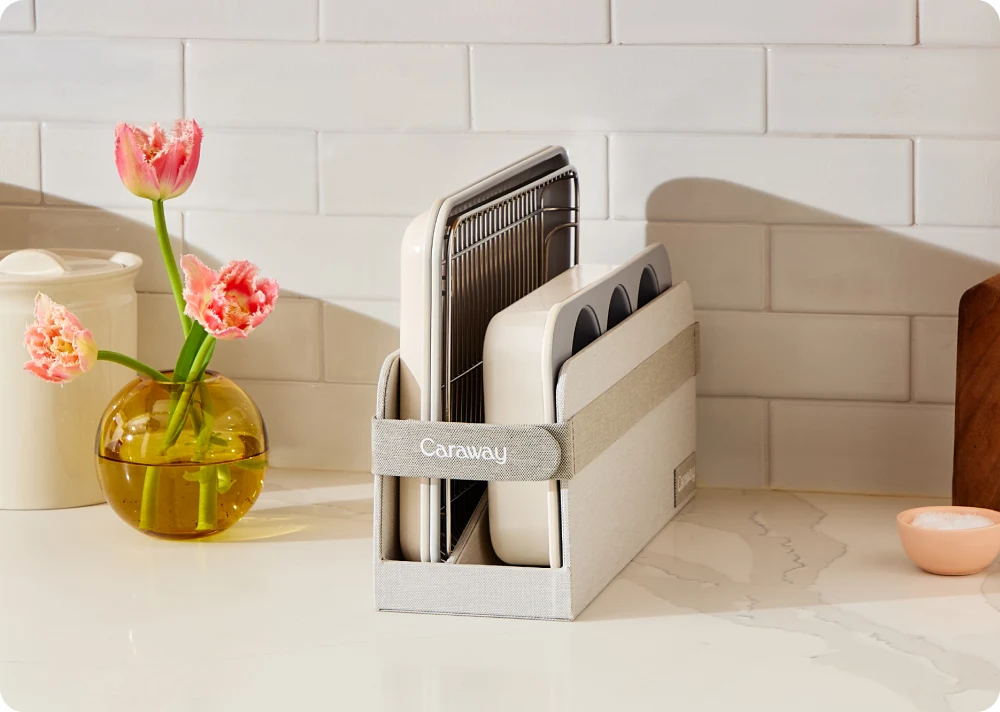
Store pans, lids, and baking trays vertically to save space.
- Tip: Use racks or organizers for easy access.
Group By Use
Keep similar items together. Store spices near the stove, and keep grains and beans in one pantry section.
Label Everything
Label shelves, bins, and containers so you know where everything goes.
Meal Prep For Different Diets
Meal prep works for any diet, from low-carb to vegan. Here’s how to adjust your essentials:
Vegetarian
Stock up on beans, lentils, tofu, and eggs for protein. Use plenty of fresh and frozen vegetables.
Vegan
Focus on plant-based proteins like chickpeas, quinoa, and tempeh. Use dairy alternatives like almond milk and vegan cheese.
Gluten-free
Use gluten-free grains such as rice, quinoa, and buckwheat. Check labels on sauces and condiments.
Low-carb/keto
Stock up on meats, eggs, leafy greens, and healthy fats. Avoid high-carb grains and legumes.
Family-friendly
Prep kid-friendly snacks like chopped veggies, cheese sticks, and fruit cups. Make larger batches for family meals.
Here’s a quick diet comparison:
| Diet Type | Key Ingredients | Meal Prep Focus |
|---|---|---|
| Vegetarian | Beans, tofu, eggs, vegetables | Protein variety, veggie-heavy dishes |
| Vegan | Chickpeas, quinoa, plant milks | All plant-based, dairy-free |
| Gluten-Free | Rice, potatoes, gluten-free pasta | Safe grains, careful label reading |
| Low-Carb | Chicken, eggs, leafy greens | Protein and fat, low starch |
| Family-Friendly | Cheese, veggies, fruit, pasta | Bulk prep, kid snacks |
Common Mistakes In Meal Prep
Even experienced meal preppers make mistakes. Here are some to avoid:
- Over-prepping: Making too much food can lead to waste. Start with smaller batches.
- Using poor containers: Cheap containers leak or break. Invest in quality ones.
- Skipping labels: Without labels, you forget what’s inside or when it was made.
- Not prepping snacks: Focusing only on main meals leaves you hungry between meals.
- Ignoring food safety: Cooling food quickly and storing it correctly stops bacteria growth.
Non-obvious insight: Many people forget to prep sauces or condiments, which can make meals boring. Having a few flavorful sauces ready can change your meals all week.
Another insight: Prepare ingredient packs by chopping items such as onions, peppers, and carrots, then storing them together for easy access. This way, you can quickly add them to stir-fries or soups without extra prep.
How To Shop For Meal Prep Essentials
Buying meal prep supplies can feel overwhelming. Here’s how to shop smart:
Prioritize Quality Over Quantity
It’s better to have a few high-quality tools than a drawer full of cheap gadgets. Spend more on items you use daily, like knives and containers.
Check Reviews And Warranties
Look for products with good reviews and long warranties. Brands like Pyrex (for containers) and Victorinox (for knives) are trusted by home cooks.
Buy In Bulk
Buying grains, beans, and proteins in bulk saves money. Use airtight containers to keep them fresh.
Shop Seasonally
Choose fruits and vegetables that are in season. They’re cheaper and taste better.
Use Online Resources
Many websites offer guides on essential kitchen tools and meal prep tips. For example, check out EatRight.org for more advice.
Time-saving Meal Prep Hacks
Here are practical hacks that can save you hours each week:
- Pre-chop vegetables and store them in water to keep them fresh.
- Use frozen chopped onions and garlic for quick flavor.
- Marinate proteins overnight to speed up cooking.
- Cook grains in bulk and freeze portions for later.
- Set up a “prep station” with all your tools and ingredients before you start.
Cleaning And Maintenance Tips
Meal prep is easier when your kitchen is clean. Here’s how to keep it tidy:
- Clean as you go: Wash bowls and knives between tasks.
- Use a garbage bowl: Collect scraps in a bowl to avoid mess.
- Sanitize cutting boards after raw meat.
- Deep clean containers weekly to remove stains and odors.
Frequently Asked Questions
What Are The Most Important Meal Prep Kitchen Essentials?
The most important essentials are a sharp chef’s knife, reliable cutting boards, quality storage containers, and a few pots and pans. These tools let you prep, cook, and store food easily.
How Do I Keep My Meal Prep Food Fresh All Week?
Use airtight containers, refrigerate food quickly, and label containers with dates. Freeze portions you won’t eat in three days. Choose glass containers for better freshness.
What’s The Best Way To Organize My Meal Prep Kitchen?
Keep tools you use often within reach. Group items by use (spices, grains, utensils). Use drawer dividers and label shelves. Store containers and lids together to avoid mismatches.
Can Meal Prep Work For Families With Kids?
Yes, meal prep is great for families. Prep larger batches and portion out snacks for kids. Choose simple, kid-friendly recipes and involve children in prepping when possible.
How Do I Avoid Getting Bored With Meal Prep Meals?
Change up sauces, spices, and vegetables each week. Prep ingredient packs for quick variety. Try new recipes, and keep a few flavorful condiments ready to mix up your meals.
A kitchen stocked with the right essentials makes meal prep easier, healthier, and more enjoyable. Investing in quality tools and ingredients pays off in saved time and better meals. Start simple, focus on what you use most, and build your meal prep kitchen step by step.
With these strategies, your weekly meal prep will become a habit you look forward to, not a chore.