
Choosing a vacuum cleaner for hardwood floors seems simple at first. But many buyers end up disappointed because of scratches, dust left behind, or loud machines that echo through the house. If you want your floors clean and safe, you need the right tool.
This guide will help you find the best vacuum for hardwood, without confusing jargon or sales pressure. You’ll learn what matters, which features are worth your money, and how to avoid common mistakes.
Why Vacuum Choice Matters For Hardwood Floors
Hardwood floors are beautiful, but they’re also delicate. Unlike carpet, they can scratch easily and lose shine from rough cleaning. Using the wrong vacuum can cause:
- Fine scratches that build up over time
- Dull spots from abrasive brushes
- Dust left in cracks and edges
- Noise amplification in empty rooms
Statistics show that nearly 30% of hardwood floor owners notice visible wear within two years because of poor cleaning tools. The right vacuum not only removes dirt but also helps protect your investment.
Scratches can appear even from small bits of grit or sand. If the vacuum wheels or brush are too rough, they push these particles across the floor like sandpaper. In fact, many people don’t realize that the simple act of vacuuming with the wrong machine can remove the floor’s protective finish.
Over time, the shine fades, and the wood develops dull patches. This damage is usually not covered by flooring warranties.
Another issue is leftover dust. Hardwood floors have tiny cracks and joints between boards. If your vacuum doesn’t have strong edge cleaning, dust settles in these gaps. It can attract more dirt or even pests. And since hard floors reflect sound, loud vacuums can make cleaning unpleasant, especially in rooms without much furniture.
Key Features To Look For
1. Soft Bristles Or Brushless Design
Hard brushes can scratch wood. Look for vacuums with:
- Soft bristles (often nylon)
- Brushless suction heads
Some models let you switch off the rotating brush or have separate heads for different floors.
A soft roller head is one of the best attachments for hardwood. It gently lifts dirt without scratching, and many premium stick vacuums include this feature. Brushless designs are also good because they rely on suction alone, not bristles. If your vacuum has a brush, make sure you can turn it off when cleaning wood.
2. Adjustable Suction Power
Hardwood doesn’t need strong suction like deep carpets. Too much suction makes vacuums hard to move and can pull up loose boards. Adjustable power helps you:
- Clean gently on wood
- Boost suction for corners or cracks
Most modern vacuums have settings for different surfaces. For example, you can use low power for regular cleaning and switch to high power for stubborn debris. Adjustable suction is especially useful if your home has a mix of wood and other flooring.
3. Rubber Or Felt Wheels
Plastic wheels can leave marks or scratches. Rubber or felt wheels:
- Glide smoothly
- Protect the finish
- Reduce noise
Rubber wheels are flexible and absorb shocks, so they don’t dig into the wood. Felt wheels are soft and provide extra cushioning. Some vacuums even add extra padding around the wheels. If your vacuum doesn’t mention wheel material, check the product photos or reviews.
4. Hepa Filters
Dust and allergens settle on wood. HEPA filters trap fine particles, improving air quality. This is especially important if you have allergies or pets.
HEPA filters are certified to remove at least 99. 97% of particles as small as 0. 3 microns. This means they capture pollen, pet dander, and even tiny dust mites. For families with allergies, this makes a big difference. Without a good filter, vacuuming can stir up dust and make the air worse.
5. Lightweight And Maneuverable
Heavy vacuums are difficult to move on hard floors and can dent wood. Choose:
- Lightweight designs (under 10 lbs is ideal)
- Swivel steering for easy turning
A light vacuum is easier for daily use and less likely to cause accidental damage. Swivel steering lets you reach under furniture or around corners without lifting the machine. Some stick vacuums weigh just 5–6 lbs and can be used one-handed.
6. Edge Cleaning
Dust gathers along walls and under furniture. Edge cleaning features, like side brushes or special suction heads, help reach these spots.
Edge cleaning is a hidden gem for hardwood care. Many vacuums focus suction near the center, but dust collects at the edges. Look for models with special side brushes or suction channels designed to pull debris from corners. Some robot vacuums have side arms that sweep dust toward the main brush.
7. Bagless Vs. Bagged
Bagless vacuums are popular, but bagged models keep dust contained. For hardwood floors, both options work well, but bagged vacuums may be the better choice for allergy control.
Bagged vacuums trap dust and debris inside a sealed bag, making disposal cleaner and safer for allergy sufferers. Bagless models need frequent emptying, and dust can escape during this process. If you prefer bagless, choose one with a sealed bin and easy release.
8. Noise Level
Hard floors amplify sound. Look for vacuums under 70 decibels (dB) for quieter cleaning.
Noise is more than an annoyance. Loud vacuums can disturb pets, children, or neighbors, especially in apartments. Some vacuums have sound-dampening technology or insulated motors. Always check the noise rating if quiet cleaning matters to you.
Types Of Vacuums For Hardwood Floors
Not all vacuum types suit hardwood. Let’s compare the main choices.
| Type | Strengths | Weaknesses |
|---|---|---|
| Stick | Lightweight, easy to maneuver, good for daily cleaning | Small dust bin, less power |
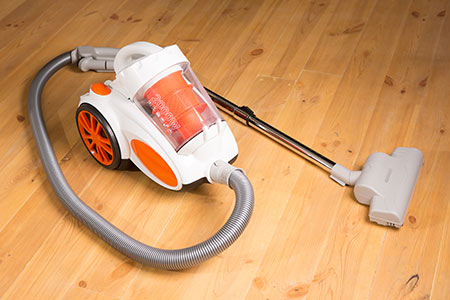
| Canister | Strong suction, adjustable heads, good for edges | Bulky, requires storage space |
| Robot | Hands-free, scheduled cleaning, good for maintenance | Misses corners, not for deep cleaning |
| Upright | High capacity, powerful suction | Heavy, can be rough on wood |
| Handheld | Spot cleaning, portable | Not suitable for full rooms |
For most homes, stick or canister vacuums are best for hardwood. Robot vacuums are good for regular maintenance but not deep cleaning.
Stick vacuums are ideal for small homes or quick daily cleanups. Their lightweight design makes them easy to carry upstairs or around tight spaces. Canister vacuums offer more power and larger bins, making them suitable for bigger homes or deep cleaning days.
Robot vacuums work well for light dirt, but you may still need a manual vacuum for thorough cleaning.
Upright vacuums are usually built for carpet. Their heavy weight and stiff brushes can damage wood. Handheld vacuums are great for spills or stairs, but not for cleaning entire rooms.
Comparing Popular Models
To make things clearer, here’s a quick comparison of three popular vacuums designed for hardwood floors.
| Model | Weight | Brush Type | HEPA Filter | Noise Level | Wheel Material |
|---|---|---|---|---|---|
| Dyson V12 Detect Slim | 5.2 lbs | Soft roller | Yes | 68 dB | Rubber |
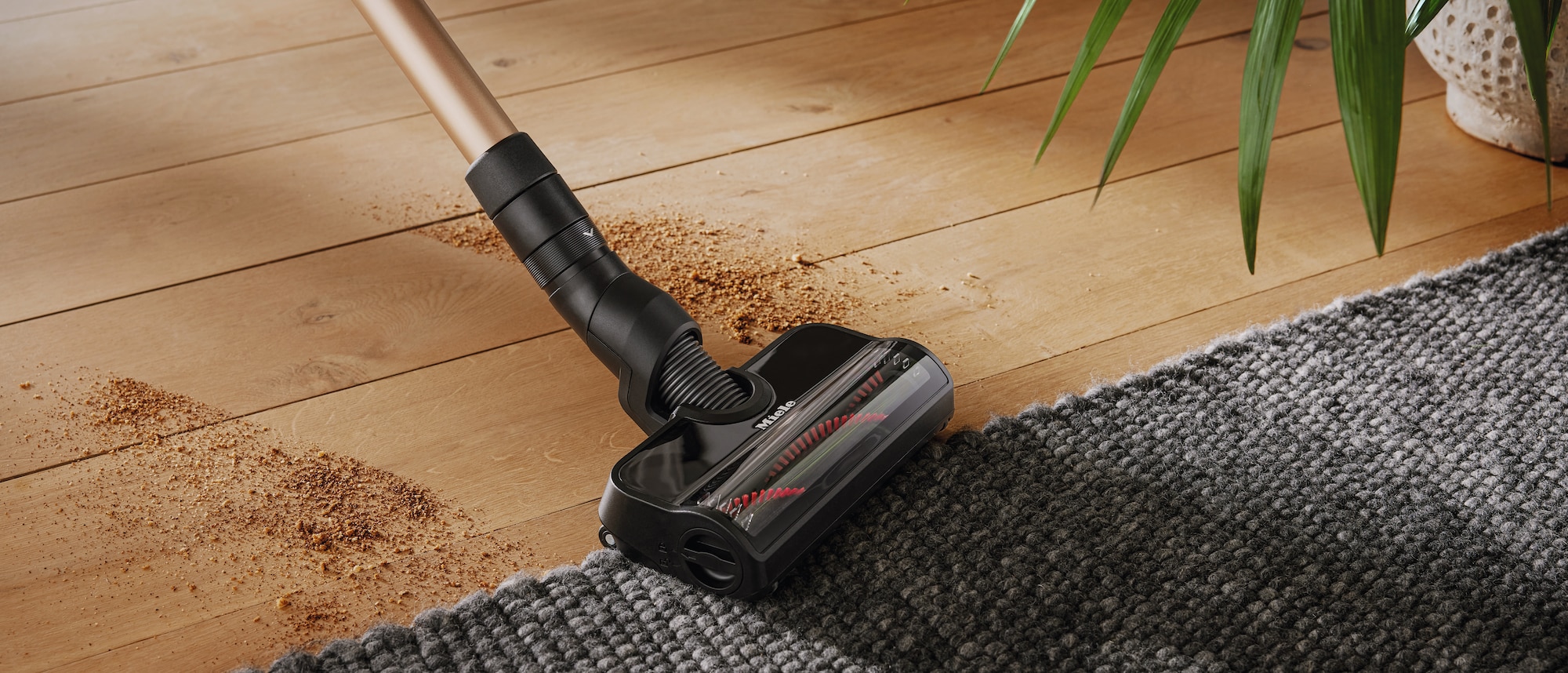
| Miele Complete C3 | 12 lbs | Brushless parquet head | Yes | 65 dB | Felt |
| Roborock S7 | 7 lbs | Rubber main brush | Yes | 67 dB | Rubber |
Notice how each model uses soft or brushless heads and quiet operation. These features are critical for hardwood.
The Dyson V12 is a cordless stick vacuum, making it easy to carry and use every day. Its soft roller head is gentle on wood and picks up fine dust. The Miele Complete C3 is a powerful canister vacuum designed for hardwood floors, featuring a special parquet head that excels at deep cleaning large spaces.
Roborock S7 is a robot vacuum, perfect for daily maintenance and scheduled cleaning. All three have HEPA filters and soft wheels, so they protect your floor and keep the air clean.
Practical Steps To Choose The Right Vacuum
1. Measure Your Space
Start by measuring your rooms. Large spaces may need:
- Bigger dust bins
- Stronger batteries (for cordless models)
- Wider cleaning heads
Small apartments can use compact stick vacuums or robots.
For bigger homes, a vacuum with a large dust bin saves time. You won’t have to empty it as often. If you use a cordless model, check battery life. Some vacuums last only 20 minutes per charge, while others run for an hour.
Wider heads clean faster but may not fit under furniture.
2. Identify Floor Type
Not all hardwood is the same. Is your floor:
- Solid wood (thicker, more durable)
- Engineered wood (thinner, more sensitive)
- Bamboo (harder, but can scratch)
Some vacuums are too strong for engineered wood. Check manufacturer guidelines.
Solid wood can handle more suction and heavier vacuums. Engineered wood is thinner and can dent easily. Bamboo is tough, but the finish may scratch. Always check your floor’s care instructions before buying a vacuum.
3. Decide On Corded Vs. Cordless
Cordless vacuums offer freedom but limited battery life. Corded models provide:
- Unlimited cleaning time
- Stronger suction
For large homes, corded is often better. For small spaces or spot cleaning, cordless works well.
Cordless vacuums are lightweight, portable, and ideal for quick daily cleaning. However, their battery life can be limiting in larger homes. Corded vacuums offer consistent suction power and unlimited runtime, making them better for deep cleaning. Many homeowners use a cordless vacuum for everyday messes and a corded vacuum for heavy-duty cleaning.
4. Check For Floor-specific Attachments
Many vacuums come with attachments like:
- Parquet heads (soft, brushless)
- Edge tools
- Crevice tools
These help reach tight spots and protect wood.
Parquet heads are specially designed for hardwood. They have soft brushes or no brushes at all. Edge tools focus suction along walls and corners. Crevice tools help you clean cracks and gaps between boards. Make sure your vacuum includes these or lets you buy them separately.
5. Test Maneuverability
Try moving the vacuum in-store if possible. It should:
- Turn easily
- Not stick to the floor
- Feel comfortable in hand
If buying online, check reviews for mentions of movement.
A vacuum that’s hard to push or turn will make cleaning stressful. Swivel steering and light weight are important. Look for models with flexible joints or handles. If reviewers say the vacuum feels “stiff” or “awkward,” consider another option.
6. Read Real User Reviews
Look beyond the product description. Search for:
- Reports of scratches
- Complaints about noise
- Issues with dust pickup
Many buyers miss hidden flaws until after purchase.
User reviews often reveal problems you won’t find in the product ad. For example, some vacuums sound quiet in the store but are loud at home. Others leave streaks or miss fine dust. Check for reviews from people with similar floors to yours.
7. Check Warranty And Support
Hardwood-safe vacuums often cost more. Make sure there’s a good warranty and customer service. Brands like Dyson, Miele, and Shark offer solid support.
A strong warranty protects you if parts break or don’t perform as promised. Customer service is also important, particularly when it comes to finding replacement heads, wheels, or filters. Avoid brands with poor support or unclear warranties.
Common Mistakes When Buying
Many buyers make mistakes that lead to damaged floors or wasted money. Avoid these pitfalls:
- Ignoring wheel material: Cheap plastic wheels can ruin your floor fast.
- Buying high-suction carpet models: These are too rough for wood.
- Choosing heavy vacuums: They’re hard to move and can dent boards.
- Skipping filter quality: Low-end filters let dust settle back on the floor.
- Not checking attachments: Some vacuums don’t include soft heads.
- Buying based on brand only: Brand reputation doesn’t guarantee hardwood safety.
- Overlooking noise level: Loud vacuums are unpleasant on hard floors.
A less obvious mistake is forgetting to check replacement part availability. Wheels and heads wear down, and some brands make it hard to find spares. Another mistake is skipping anti-static features because static buildup can attract dust and make your cleaning less effective.
Credit: www.flooringfirst.co.uk
Tips For Long-term Maintenance
The vacuum is just one part of keeping hardwood clean. Some extra steps help:
- Sweep or dust mop regularly: Removes grit before vacuuming.
- Use floor mats: At entryways to reduce debris.
- Clean spills quickly: Moisture can damage wood.
- Vacuum slowly: Fast movement misses dirt and can scratch.
Many people forget that dirt acts like sandpaper. Regular cleaning with the right vacuum prevents long-term damage.
Don’t use harsh chemicals or wet mops on hardwood. Water can seep into the cracks and swell the boards. Instead, use a dry mop or a vacuum with a gentle head. Place mats under furniture legs to prevent dents. And always check for worn vacuum parts before cleaning.
Extra Insights: What Most Guides Miss
1. Battery Fade In Cordless Models
Cordless vacuums lose battery life over time. After two years, many models run only half as long as when new. If you have a large space, this matters more than most guides say.
Some batteries can be replaced, but others are built-in. If your vacuum starts losing charge, you may need a new battery or a new machine. Check battery warranty and replacement options before buying.
2. Floor Finish Sensitivity
Some hardwood finishes (like polyurethane) are tougher, while others (like oil or wax) scratch easily. Always check your floor’s finish before choosing a vacuum.
Oil or wax finishes need gentler cleaning. Even soft wheels can leave marks. Polyurethane is harder, but repeated cleaning with rough tools will eventually damage it. Ask your floor installer or check product labels for finish type.
3. Static Electricity
Vacuuming can create static, which attracts dust back to the floor. Anti-static brushes are rare but valuable, especially in dry climates.
If your home is very dry, static can become a problem. Some vacuums use anti-static coatings or brushes. You can also use a humidifier to reduce static and help keep dust from settling.
Price Vs. Performance: What Should You Spend?
Quality vacuums for hardwood can cost between $120 and $600. Price isn’t everything, but here’s what you get at different levels:
| Price Range | Features | Best For |
|---|---|---|
| $120–$200 | Basic suction, limited attachments, average filter | Small apartments, occasional cleaning |
| $200–$400 | Soft heads, HEPA filter, edge cleaning, cordless options | Medium homes, regular use |
| $400–$600 | Strong suction, multiple attachments, advanced filters, low noise | Large homes, allergy sufferers, daily use |
Don’t overspend if you don’t need advanced features. But avoid the cheapest models, as they often lack features designed to protect your floors.
Higher prices usually mean better build quality, longer warranties, and more useful attachments. Mid-range vacuums offer the best balance for most homes. Premium models suit bigger spaces or families with allergies.
Best Practices After Buying
Once you have your vacuum, keep your hardwood safe:
- Clean attachments regularly: Dust and hair build up can scratch floors.
- Replace filters as recommended: Keeps suction strong and air clean.
- Store vacuum safely: Don’t lean heavy vacuums on wood.
- Check wheels and heads for wear: Replace parts if damaged.
Many users don’t realize worn wheels or dirty heads cause more damage than the vacuum itself.
If your vacuum has a washable filter, clean it monthly. Store your vacuum on a carpet or mat rather than directly on hardwood floors. Inspect wheels for cracks or embedded grit, as these can scratch floors. Replace any worn parts right away.
Credit: jimmy.eu
Real-life Example: Choosing For A Busy Family Home
Let’s look at a practical case. Sarah’s family has a large house with engineered oak floors and two dogs. She needs:
- Strong suction for pet hair
- Quiet operation (baby sleeps during the day)
- Soft wheels and heads
- Easy movement for quick cleanups
After reading reviews and testing in-store, she chose the Miele Complete C3 with a parquet head. It offers strong suction, quiet operation, and soft wheels. She added a robot vacuum for daily maintenance.
Two years later, the floors still look new. Sarah cleans attachments monthly and checks the wheels for wear. She avoided common mistakes by focusing on wheel material, suction control, and filter quality.
Her experience shows that the right vacuum pays off. By checking product features and real reviews, she avoided scratches and noise problems. Sarah also learned that edge cleaning and regular filter changes are important for keeping her floors beautiful.
Frequently Asked Questions
What Vacuum Type Is Best For Hardwood Floors?
Stick and canister vacuums are best. They offer gentle cleaning, soft heads, and easy maneuverability. Robot vacuums are good for daily maintenance but can miss corners. Avoid upright carpet models. They’re too rough.
Can I Use A Carpet Vacuum On Hardwood?
Most carpet vacuums have hard bristles and strong suction. They can scratch wood and leave dust behind. Always check if the vacuum has a hard floor mode or soft brush attachment.
How Often Should I Vacuum Hardwood Floors?
For most homes, twice a week is enough. If you have pets or children, vacuum daily. Regular cleaning prevents grit from scratching the surface.
What’s The Safest Vacuum Head For Wood?
A soft roller head or brushless parquet attachment is safest. Avoid stiff bristles or rotating brushes. If your vacuum offers different heads, use the one labeled for hard floors.
Are Robot Vacuums Good For Hardwood?
Robot vacuums work well for light maintenance. They pick up dust and crumbs but can miss corners and edges. For deep cleaning, use a stick or canister vacuum with a soft head.
Choosing a vacuum cleaner for hardwood floors doesn’t have to be confusing. Focus on soft heads, gentle wheels, adjustable suction, and reliable filters. Test movement, read real reviews, and don’t fall for marketing hype. With the right tool, your floors will stay beautiful for years. For more details on hardwood floor care and vacuum technology, you can check resources like Wikipedia. Make your choice with confidence. Your floors deserve it.
Credit: www.mieleusa.com
