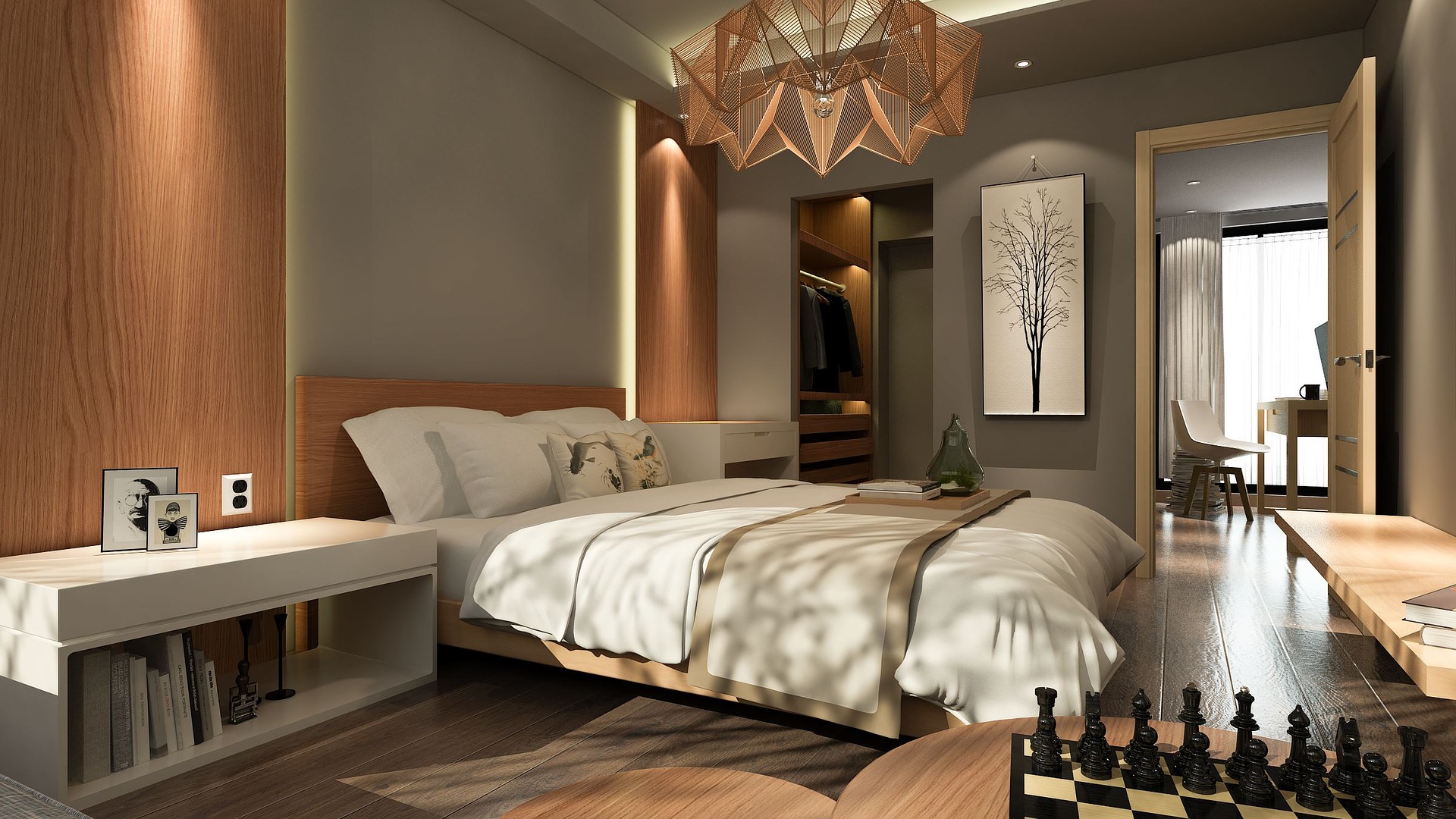
Organizing bedroom furniture is more than just placing a bed and a dresser. It’s about creating a space that feels comfortable, looks neat, and works for your daily life. If your bedroom feels messy or cramped, changing how you arrange your furniture can make a big difference.
Even small rooms can feel larger and more peaceful with the right setup. For many people, the bedroom is the most personal place in the house. It’s where you rest, recharge, and escape the world. So, getting the furniture layout right matters a lot.
In this guide, you’ll discover practical steps, common mistakes, and smart tips for organizing bedroom furniture. Whether your bedroom is tiny or spacious, these ideas will help you create a layout that fits your style and needs. You’ll also learn how to use storage wisely, choose furniture that suits your space, and avoid problems like blocked walkways or poor lighting.
By the end, your bedroom will feel more organized, relaxing, and functional. No matter its size or shape.
Understanding Your Bedroom Space
Before moving any furniture, you need to understand your bedroom’s size, shape, and features. Each room is different, so one layout doesn’t fit all.
Measure Your Room
Start by measuring the length and width of your bedroom. Write down these numbers. Don’t forget to measure:
- Doorways (width and height)
- Windows (placement and size)
- Built-in closets or shelves
- Any sloped ceilings or odd angles
Knowing the exact dimensions helps you avoid buying furniture that won’t fit or placing items where they block doors and windows.
Identify Fixed Features
Look for things you can’t move, like:
- Radiators or heaters
- Electrical outlets
- Light switches
- Built-in wardrobes
These affect where you can place your bed, desk, or dresser. For example, you don’t want your bed to block an outlet you use for charging your phone.
Observe Natural Light
Sunlight changes how a room feels. If your window lets in a lot of light, you might want your bed near it for a bright morning. In darker rooms, consider placing mirrors to reflect light and make the space feel bigger.
Non-obvious insight: Many people forget about seasonal sunlight. If your window faces east, you’ll get bright morning light. If it faces west, afternoons will be sunny. This can affect where you place your bed, especially if you’re sensitive to light.
Choosing The Right Furniture
Picking the right furniture is key for a functional and attractive bedroom. Furniture that’s too big or too small can make your room feel awkward.
Common Bedroom Furniture
Most bedrooms include:
- Bed
- Nightstands
- Dresser
- Wardrobe or closet
- Desk (optional)
- Chair (optional)
Each piece has a purpose. The bed is the main spot for rest, nightstands hold essentials, and the dresser or wardrobe stores clothes.
Size Matters
Use the measurements you took to compare furniture sizes. Here’s a simple table showing common bed sizes and their space requirements:
| Bed Size | Width (inches) | Length (inches) | Recommended Room Width |
|---|---|---|---|
| Twin | 39 | 75 | At least 7 ft |
| Full | 54 | 75 | At least 10 ft |
| Queen | 60 | 80 | At least 10 ft |
| King | 76 | 80 | At least 12 ft |
If your room is small, avoid oversized beds or bulky wardrobes. Choose slim furniture or pieces with built-in storage.
Multi-functional Furniture
Furniture that serves more than one purpose saves space. Examples include:
- Beds with drawers underneath
- Nightstands with shelves
- Ottomans that open for storage
- Wall-mounted desks
Non-obvious insight: Wall-mounted furniture is often overlooked. It frees up floor space and can make small bedrooms feel more open.
Planning The Layout
A good layout makes your bedroom easy to use and comfortable. Think about movement, balance, and access.
Start With The Bed
The bed is usually the largest piece. Place it first. Here’s how to choose the best spot:
- Put the bed against the longest wall, away from the door for privacy.
- Make sure there’s space to walk around both sides.
- Avoid placing the bed directly under windows (unless you want morning light).
- If possible, align the headboard with a solid wall for a sense of security.
Place Nightstands
Nightstands go on each side of the bed. They should be easy to reach while lying down. If your room is small, use just one nightstand or wall shelves.
Position The Dresser
The dresser should be accessible but not block walkways. Place it near the closet if possible. If space is tight, choose a tall dresser instead of a wide one.
Arrange The Wardrobe
If you have a freestanding wardrobe, place it against a wall with enough room to open the doors. Avoid blocking windows or doors. Built-in closets are ideal, but not all bedrooms have them.
Add A Desk Or Chair
If you need a desk, choose a spot with natural light. Avoid placing it right next to your bed to separate work from rest. A chair can go in a corner for reading or relaxing.
Walkways And Flow
Make sure there’s at least 24 inches of space for walking between furniture. If your room is very small, keep walkways clear by using wall-mounted shelves or smaller pieces.
Sample Layouts
Below is a table with three common bedroom layouts:
| Room Type | Bed Position | Nightstand(s) | Dresser Location | Desk/Chair |
|---|---|---|---|---|
| Small Square | Center of longest wall | One, next to bed | Opposite wall | Corner, near window |
| Rectangular | Long wall, off-center | Two, both sides | Next to closet | Window side, far from bed |
| Odd-shaped | Best fit, avoid window | One or none | Wall with most space | Any open corner |
Maximizing Storage
Storage helps keep your bedroom tidy and makes daily life easier. If you don’t have enough storage, clutter builds up fast.
Under-bed Storage
Use boxes, baskets, or drawers under your bed for extra storage. This is great for seasonal clothes, shoes, or bedding.
- Choose beds with built-in drawers for a cleaner look.
- If you already have a regular bed, buy flat storage boxes that fit underneath.
Closet Organization
Keep your closet organized by using shelves, hanging organizers, and hooks. Sort similar items together, such as shirts, pants, shoes, and accessories, to make everything easier to find.
- Use vertical space by adding extra shelves above or below the hanging rod.
- Install hooks for bags, hats, or accessories.
Wall-mounted Solutions
Shelves, hooks, and racks on the wall keep things off the floor. This is useful for books, plants, or small items.
- Floating shelves above the bed or desk add storage without taking up floor space.
- Pegboards can hold jewelry, keys, or small tools.
Dresser Tips
Organize drawers with dividers. This keeps socks, underwear, and accessories neat and easy to find.
- Store items you use often in the top drawers.
- Use deeper drawers for bulkier items.
Hidden Storage
Some furniture hides storage inside. For example, ottomans, benches, or headboards with built-in compartments. These add storage without making your room feel crowded.
Non-obvious insight: Many people skip using the space above doors. Install a shelf there for things you rarely use, like extra bedding or books.
Creating A Cozy And Functional Space
Organizing furniture isn’t just about efficiency. Your bedroom should also feel inviting and comfortable.
Balance And Symmetry
A balanced room feels calm. Try to keep furniture sizes and colors in harmony.
- Place nightstands of similar size and style on each side of the bed.
- Use matching lamps or decor for a symmetrical look.
If your room is small, symmetry isn’t always possible. Focus on keeping the space tidy and uncluttered.
Personal Touches
Add items that make your bedroom feel yours. This can be:
- Artwork or photos on the walls
- A favorite rug
- Plants for fresh air and color
Don’t overdo it. Too many decorations can make the room feel busy.
Lighting
Good lighting is important. Use a mix of sources:
- Overhead light for general brightness
- Bedside lamps for reading
- Desk lamp if you work in your bedroom
If your room is dark, add mirrors to reflect light. Place them opposite windows for best effect.
Color And Texture
Choose colors that make you feel relaxed. Soft blues, greens, or neutrals often work well. Add texture with blankets, pillows, or rugs.
Non-obvious insight: People often forget that cool colors (like blue or green) can make small rooms feel bigger, while warm colors (like red or yellow) can make large rooms feel cozier.
Common Mistakes And How To Avoid Them
Many people make the same mistakes when organizing bedroom furniture. Here’s how to avoid them.
Overcrowding
Putting too much furniture in a bedroom makes it feel cramped. Only keep what you need. If your room is small, use smaller pieces or multi-functional furniture.
Blocking Windows And Doors
Don’t block windows or doors with beds, dressers, or wardrobes. This makes the room feel tight and can limit airflow and light.
Ignoring Walkways
Leave enough space to walk easily between furniture. If you have to squeeze between pieces, move things around or remove items.
Poor Lighting
A single overhead light isn’t enough. Add lamps or wall lights to brighten dark corners.
Not Measuring
Always measure your room and furniture before buying or moving anything. This prevents problems like getting a bed that won’t fit or a dresser that blocks the closet.
Forgetting Storage
Don’t let clutter build up. Choose furniture with storage and organize regularly.
Adapting For Different Bedroom Sizes
Bedrooms come in all sizes. The way you organize furniture depends on the space you have.
Small Bedrooms
In small rooms, every inch counts. Here are ways to maximize space:
- Choose a twin or full-size bed.
- Use wall-mounted shelves instead of nightstands.
- Pick a tall dresser for vertical storage.
- Store items under the bed.
- Keep decor simple.
Example: In a 10×10 ft room, place the bed against the longest wall and use one nightstand. Add shelves above the bed for books or plants.
Medium Bedrooms
Medium rooms have more flexibility. You can use a queen bed, two nightstands, and a dresser. Avoid oversized furniture.
- Use both under-bed and closet storage.
- Add a chair or bench if there’s space.
- Use area rugs to define different parts of the room.
Example: In a 12×14 ft room, place the bed in the center, nightstands on both sides, and a dresser near the closet. Add a reading chair in the corner.
Large Bedrooms
Large rooms can include more furniture and decor. You can create zones for sleeping, working, and relaxing.
- Use a king-size bed if desired.
- Add a desk, reading nook, or vanity.
- Group furniture to create cozy areas.
- Use larger rugs and artwork.
Example: In a 15×20 ft room, place the bed in the center with two nightstands, a dresser, and a desk by the window. Add a lounge chair and a large rug to make the space feel inviting.
| Bedroom Size | Best Bed Size | Nightstands | Dresser | Extra Furniture |
|---|---|---|---|---|
| Small (up to 100 sq ft) | Twin or Full | One | Tall, narrow | Wall shelves |
| Medium (100–180 sq ft) | Queen | Two | Standard | Chair, bench |
| Large (180+ sq ft) | King | Two | Wide, multi-drawer | Desk, lounge chair |
Tips For Shared Bedrooms
Sometimes, bedrooms are shared by siblings, partners, or roommates. Organizing furniture in these rooms needs extra care.
Divide The Space
Use rugs, shelves, or furniture to separate areas. This helps each person feel they have their own space.
- Place beds on opposite sides for privacy.
- Use a bookshelf or curtain as a divider.
Double Up Storage
Shared rooms need more storage. Use under-bed drawers, wall-mounted shelves, and multi-purpose furniture.
Personalize Each Side
Let each person decorate their area with photos, lamps, or favorite colors.
Non-obvious insight: Many shared bedrooms benefit from mirrored layouts. If each person’s side has similar furniture, the room feels balanced and fair.
Organizing For Kids And Teens
Kids’ and teens’ bedrooms often need special organization. There’s usually more stuff like toys, books, clothes, and school supplies.
Safe And Accessible
Choose furniture that’s safe and easy to use. Avoid sharp corners and heavy items that could tip over.
Flexible Storage
Use bins, baskets, and shelves for toys and books. Label containers so kids can clean up easily.
Study Area
Create a small desk space for homework. Place it near a window if possible for natural light.
Room To Grow
Choose furniture that works as kids get older. Adjustable shelves, larger beds, or desks that can be used for different activities.
Example: In a child’s room, place the bed near a wall, use open shelves for toys, and add a small desk with a comfortable chair.
Making The Most Of Odd-shaped Rooms
Some bedrooms have sloped ceilings, corners, or strange layouts. Here’s how to organize furniture in these tricky spaces.
Use Corners
Place beds or desks in corners to make the most of space. Corner shelves add storage without blocking walkways.
Avoid Low Ceilings
Don’t place beds or tall furniture under sloped ceilings. Use low shelves or drawers instead.
Custom Solutions
Sometimes, custom furniture or built-in shelves are needed. This helps use every inch.
Example: In a room with a sloped ceiling, place the bed under the highest point and use wall hooks for storage.
Organizing For Accessibility
If you or someone in your home has mobility needs, organize furniture for easy movement.
- Leave wider walkways (at least 36 inches).
- Use furniture with easy-to-open drawers.
- Place the bed at a comfortable height.
- Avoid rugs that slip or bunch up.
Non-obvious insight: Accessibility isn’t just about wheelchairs. Older adults or people with injuries also benefit from clear walkways and sturdy furniture.
How To Refresh Your Bedroom Layout
Once your furniture is organized, you might want to refresh your layout every year or so. Changing things up can make your bedroom feel new.
Easy Ways To Refresh
- Move the bed to a different wall.
- Swap nightstands or dressers.
- Add new artwork or plants.
- Change the bedding or curtains.
When To Reorganize
Reorganize when:
- You buy new furniture
- Your needs change (work from home, new roommate, etc.)
- The room feels crowded or messy
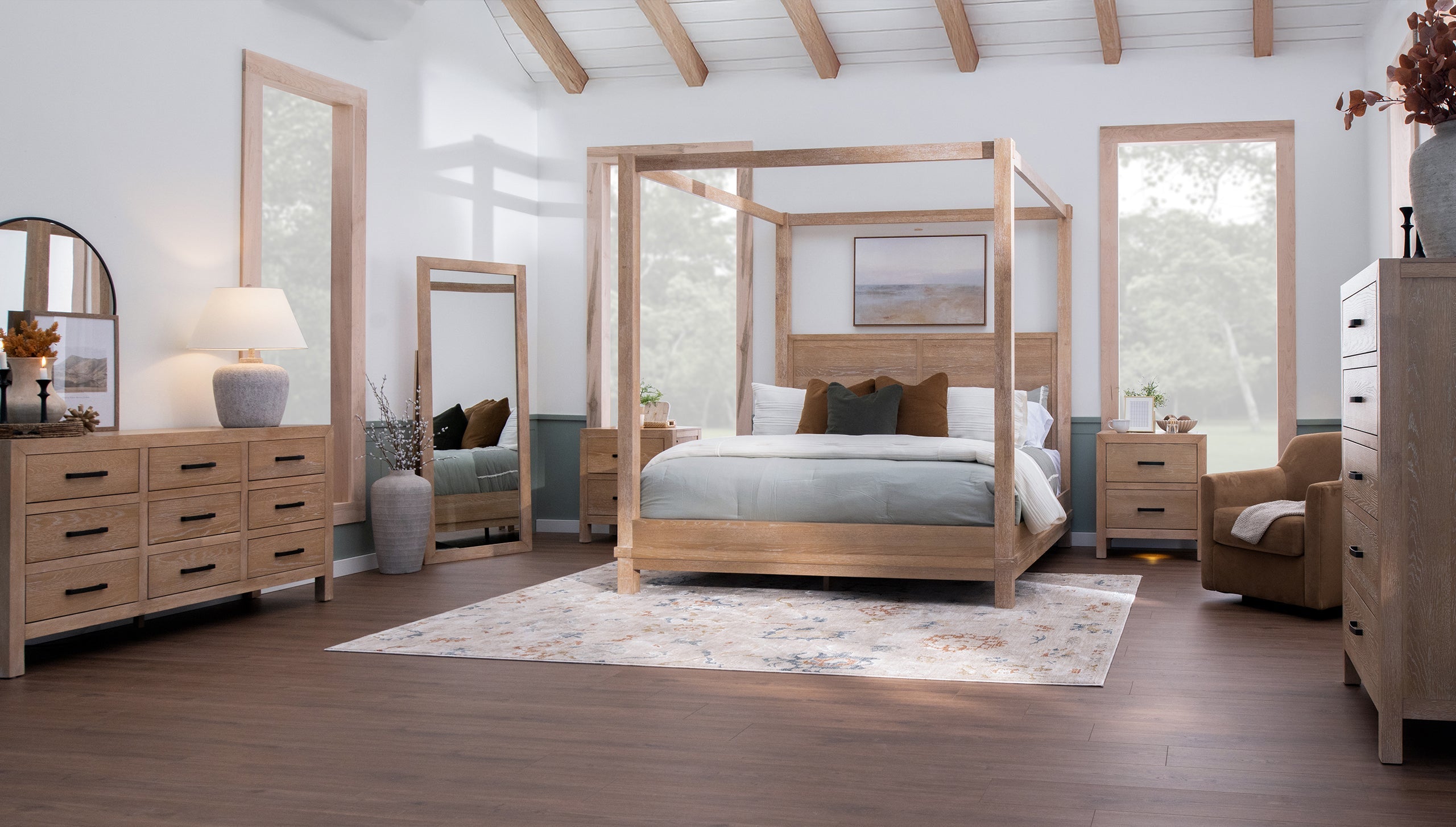
Credit: homezonefurniture.com
Real-life Examples
Seeing how others organize their bedrooms can help you find ideas for your own space.
Example 1: Small City Apartment
Maria lives in a 9×10 ft bedroom in New York City. She placed her full-size bed against the longest wall, used one small nightstand, and added floating shelves above the bed for books. Her dresser is tall and slim, fitting perfectly next to the closet.
She stores shoes under the bed and keeps decor simple with a single plant and a small rug.
Example 2: Master Bedroom In Suburb
John and Lisa have a 14×18 ft bedroom. They use a king-size bed centered on the main wall, two matching nightstands, and a wide dresser opposite the bed. There’s a desk by the window for work, and a lounge chair in the corner for reading.
Their closet is organized with shelves and bins, and the room feels spacious thanks to light colors and balanced furniture.
Example 3: Kids’ Shared Room
Two brothers share a 12×12 ft room. Their beds are placed on opposite sides, with a bookshelf between them as a divider. Each has a small desk for homework, and storage bins under the beds hold toys and games. The room feels organized and personal, with each side decorated with posters and favorite colors.
Frequently Asked Questions
How Can I Organize Bedroom Furniture In A Small Room?
Start by measuring your space and choosing smaller, multi-functional furniture. Place the bed against the longest wall, use wall-mounted shelves, and store items under the bed. Keep walkways clear and avoid overcrowding.
What’s The Best Way To Arrange A Bed In The Bedroom?
Place the bed against a solid wall, away from the door for privacy. Make sure there’s space to walk around both sides. Avoid blocking windows unless you want morning light. Align the headboard with the longest wall if possible.
How Do I Create More Storage Without Making The Room Feel Crowded?
Use under-bed storage, wall-mounted shelves, and furniture with built-in compartments. Organize closets with extra shelves and hooks. Avoid adding too many pieces and focus on multi-functional furniture and hidden storage.
How Can I Organize Bedroom Furniture For Two People Sharing A Room?
Divide the space with rugs or shelves. Place beds on opposite sides, and use mirrored layouts for balance. Double up on storage with bins, baskets, and wall shelves. Let each person personalize their area.
What Should I Avoid When Organizing Bedroom Furniture?
Don’t overcrowd the room, block windows or doors, or ignore walkways. Avoid poor lighting and forgetting storage. Always measure your room and furniture before buying or placing anything.
Transforming your bedroom with the right furniture layout takes a bit of planning, but the results are worth it. You’ll enjoy a space that’s organized, comfortable, and perfect for relaxing or working. If you want more inspiration and expert tips on bedroom design, check out Architectural Digest. Remember, your bedroom is your personal retreat.
