When you walk into a home, lighting is one of the first things you notice, even if you do not realize it right away. The right lighting can make a room feel warm and welcoming, or cold and uninviting. Today, LED lighting has become the top choice for home interiors. It’s energy-efficient, long-lasting, and offers styles for every taste and budget. But with so many options, choosing the best LED lighting for your home can feel confusing. If you want your rooms to look beautiful, function well, and save money in the long run, it’s important to understand what really matters when selecting LED lights. This guide will walk you through everything you need to know, including what to look for, the best types for each space, installation tips, and even some mistakes to avoid.
Why Choose Led Lighting For Your Home
LEDs, or Light Emitting Diodes, have changed how we think about lighting. Unlike old bulbs that waste energy as heat, LEDs convert most energy into light. Here are the biggest reasons why so many homeowners are making the switch:
- Energy savings: LEDs use up to 80% less energy than traditional incandescent bulbs.
- Long life: Many LED bulbs last 15,000 to 50,000 hours, compared to 1,000 for incandescents.
- Cooler operation: They give off less heat, reducing cooling costs in summer.
- More choices: Available in many colors, shapes, and brightness levels.
- Eco-friendly: LEDs contain no mercury and are easily recyclable.
A study by the U.S. Department of Energy found that switching to LED lighting could save Americans over $30 billion in energy costs each year.
Key Factors When Choosing Led Lighting
Not all LED lights are the same. Some are brighter, some are warmer, and some work better in certain rooms. Here are the most important things to check before you buy:
Brightness (lumens)
Forget about watts when comparing brightness. Lumens are the measurement that indicates the actual light output. For example, a 60-watt old bulb gives about 800 lumens. LEDs need only 8–12 watts to do the same. Bedrooms usually need 2,000–4,000 lumens total, while kitchens may need 7,000–8,000 lumens.
Color Temperature
This is measured in Kelvin (K). Lower numbers (2,700–3,000K) are warm and yellowish, good for relaxing spaces. Higher numbers (4,000–5,000K) are cool and bluish, better for workspaces.
Color Rendering Index (cri)
CRI shows how well a light reveals colors. A CRI of 80 is suitable for most homes, but a rating of 90 or higher provides better color accuracy, which is especially important in kitchens and closets.
Dimming Capability
Many LEDs are dimmable, but not all. If you want adjustable mood lighting, make sure the bulb and the fixture both support dimming.
Shape And Size
LEDs come in many shapes: bulbs, strips, panels, and more. Match the shape to your fixture and the look you want.
Compatibility
If you’re replacing old bulbs, check that the LED fits your existing sockets (like E26, E12, or GU10). For smart LEDs, check Wi-Fi or Bluetooth support.
Price And Quality
Cheaper LEDs may flicker, fail early, or give uneven light. Spending a little more for a trusted brand can save you money over time.

Types Of Led Lighting For Home Interiors
Every room has its own lighting needs. Here’s a breakdown of the main types of LED lights and where they work best.
1. Led Bulbs
These are the most common and easy to install. They fit into standard sockets and come in different brightness and colors. Best for living rooms, bedrooms, and table lamps.
2. Led Downlights And Recessed Lights
These lights are set into the ceiling for a clean, modern look. They provide general or focused lighting and are great for kitchens, hallways, and bathrooms.
3. Led Panel Lights
Slim and wide, these panels spread light evenly and are popular for offices or large rooms. They’re also used in home theaters or basements.
4. Led Strip Lights
Flexible strips with small LEDs, perfect for accent lighting under cabinets, behind TVs, or in coves. They can be color-changing or single color.
5. Led Track Lights
These allow you to direct light exactly where you need it. Useful for highlighting artwork, shelves, or task areas.
6. Led Chandeliers And Pendant Lights
Modern LED chandeliers use less energy and need less maintenance. They work well in dining rooms, foyers, and over kitchen islands.
7. Led Wall Sconces
Mounted on walls, these provide soft, indirect light. Use them in hallways, bedrooms, or to frame mirrors.
8. Led Smart Lights
These connect to apps or voice assistants like Alexa or Google Home. You can adjust color, brightness, and set schedules from your phone.
Comparing Popular Led Lighting Types
Below is a quick comparison of the most popular LED lighting options for homes:
| Type | Best For | Brightness Range (Lumens) | Color Temp (K) | Dimmable |
|---|---|---|---|---|
| LED Bulbs | General use, lamps | 400–1600 | 2700–5000 | Yes (most models) |
| Recessed Lights | Kitchens, living rooms | 600–2000 | 2700–4000 | Yes |
| Panel Lights | Large rooms, offices | 2000–6000 | 3000–6000 | Some models |
| Strip Lights | Accent, under-cabinet | 150–1200 | 2700–6500 | Yes |
| Smart Lights | Whole home | 400–1600 | Adjustable | Yes |
Best Led Lighting Ideas For Each Room
Each space in your home needs a different lighting approach. Here are proven ideas to make every room shine.
Living Room
This is where you relax, watch TV, or host friends. Use a mix of ceiling lights, floor lamps, and accent lights. A dimmable central fixture with 2,000–3,500 lumens is ideal. Add LED strip lights behind the TV for a cozy effect.
Kitchen
Kitchens need bright, focused lighting. Use recessed LED downlights for general light (4,000–8,000 lumens total), and LED strips or puck lights under cabinets for tasks. Choose 3,000–4,000K for a clean but not too harsh look.
Bedroom
Bedrooms benefit from soft, warm lighting. Use LED bulbs or wall sconces with 2,700–3,000K color. Add small LED reading lights by the bed. Consider smart bulbs to set relaxing evening scenes.
Bathroom
Bright, shadow-free light is important. Use LED vanity lights with a high CRI (90+) above or beside the mirror. Recessed ceiling LEDs can provide general light. Avoid cold blue lights (keep it under 4,000K).
Dining Room
A statement LED chandelier or pendant above the table sets the mood. Add dimmers so you can adjust brightness for meals or parties.
Home Office
You need focused, clear light. Use an LED desk lamp with adjustable brightness and color temperature. Overhead recessed LEDs (4,000–5,000K) help reduce eye strain.
Hallways And Stairs
Wall sconces or small LED downlights keep paths safe. Consider motion-sensor LED lights for energy savings.
Smart Led Lighting: Modern Control And Flexibility
Smart LED lighting is growing fast. With these, you can change color, dim the lights, or turn everything off with your voice or app. Here’s what makes smart LEDs special:
- Custom scenes: Set “movie night,” “relax,” or “work” modes with one tap.
- Scheduling: Lights turn on or off automatically, saving energy.
- Voice control: Works with Alexa, Google Assistant, or Apple HomeKit.
- Remote access: Control from anywhere with your phone.
Smart LEDs are ideal for people who want flexibility and like tech. But check compatibility with your home’s Wi-Fi and your favorite smart home system.
How To Install Led Lighting Safely
Most LED bulbs and smart bulbs are easy to install: just screw them in. But for strips, recessed lights, or panel lights, you may need a few extra steps.
- Turn off power at the breaker before starting.
- Check that the wiring matches the LED’s requirements. Some LED fixtures need special drivers or transformers to operate correctly.
- Follow instructions for each product. For strips, clean surfaces before sticking them.
- Test everything before finalizing the installation. Make sure all connections are working properly before closing ceilings or walls.
If you’re not comfortable with electrical work, hire a licensed electrician. This avoids accidents and keeps your home safe.
Comparing Led Lighting Costs And Savings
Many people worry that LEDs cost more up front. But over time, they save money. Here’s a comparison:
| Type | Upfront Cost (per bulb) | Lifespan (hours) | Annual Energy Cost* |
|---|---|---|---|
| LED | $3–$10 | 15,000–50,000 | $1–$2 |
| Incandescent | $1 | 1,000 | $6–$8 |
| CFL | $2–$4 | 8,000 | $2–$3 |
*Based on 3 hours/day and average U. S. energy rates.
You’ll see that even though LEDs cost more to buy, they last 15–50 times longer and use much less energy. You also save on air conditioning, since LEDs make less heat.
A non-obvious tip: Many utility companies give rebates for switching to LED lighting. Check with your provider. You may qualify for rebates or incentives when upgrading your lighting or electrical system.
Common Mistakes To Avoid With Led Lighting
Even with all the benefits, it’s easy to make mistakes when choosing or installing LEDs. Watch out for these common problems:
- Choosing the wrong color temperature: Warm white (2,700–3,000K) is cozy, but too yellow for kitchens or offices. Cool white can make bedrooms feel harsh. Always match the color to the room’s purpose.
- Ignoring CRI: Cheap LEDs may have a low CRI, making colors look dull or strange. Spend a bit more for bulbs with CRI 80+ (or 90+ for kitchens and bathrooms).
- Overlighting or underlighting: Too many lumens can make a room feel like a hospital. Too few, and it’s hard to see. Add up the total lumens needed for each space.
- Mixing incompatible dimmers: Not all LEDs work with old dimmer switches. If lights flicker or buzz, you may need a new dimmer made for LEDs.
- Bad installation: For strips or panels, poor mounting can lead to falling lights or overheating. Always follow the instructions.
Two insights that many beginners miss: First, LEDs lose brightness slowly over time (“lumen depreciation”), so buy slightly brighter than you think you need. Second, some LED strips require special aluminum channels for cooling. Without proper cooling, they can overheat and fail early.
Top Led Lighting Brands To Consider
Quality matters with LEDs. Some brands stand out for reliability, color quality, and warranty. Here are a few to look for:
- Philips Hue: Known for smart LEDs, wide color range, and easy app control.
- Cree: Offers high-CRI bulbs with good color accuracy.
- GE Lighting: Long-lasting and affordable for basic needs.
- LIFX: Wi-Fi smart bulbs with extra-bright output and no hub needed.
- Feit Electric: Wide selection, good for affordable strips and fixtures.
When you choose a brand, check for ENERGY STAR certification and a warranty of at least three years.
Sustainable Lighting: Led’s Eco-friendly Edge
LEDs are not just good for your wallet. They’re also good for the planet. Here’s why:
- Lower carbon footprint: Less energy used means less pollution.
- No hazardous materials: Unlike CFLs, LEDs have no mercury.
- Longer life = less waste: Fewer bulbs go to the landfill.
To get rid of old LEDs, check your local recycling options. Many stores collect used bulbs for safe disposal.
For more details on LED environmental impact, see the U.S. Department of Energy.
How To Plan Your Led Lighting Layout
A smart lighting plan makes your home look its best. Here’s how to do it:
- List activities in each room. Reading, cooking, relaxing, or working all need different light.
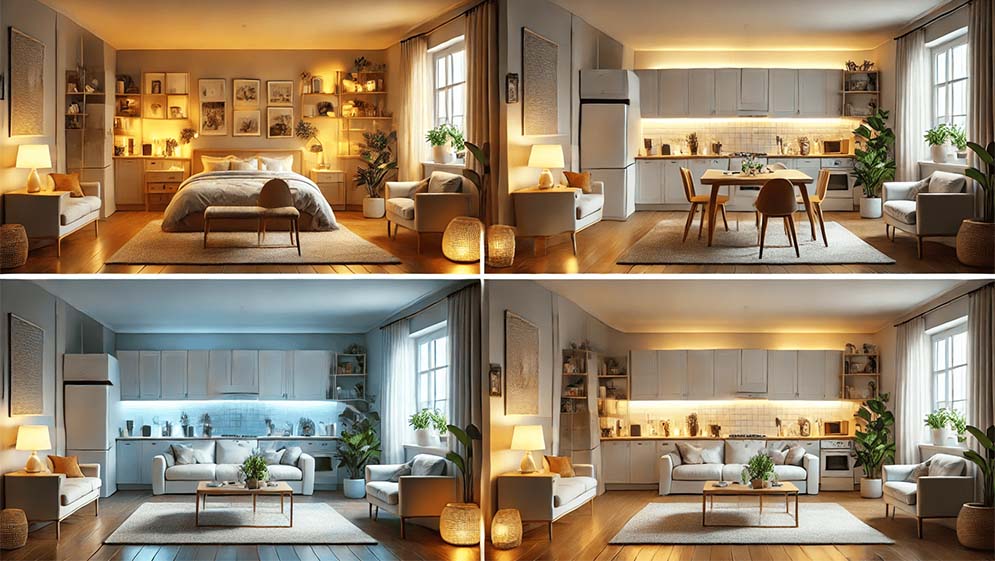
- Layer your lighting. Use a mix of general (ceiling), task (desk or counter), and accent (artwork or shelves) lights.
- Draw your room and mark where each type will go. Don’t forget switches, outlets, and furniture.
- Pick controls. Dimmers, smart switches, and motion sensors add flexibility.
- Get advice. Lighting stores or interior designers can help avoid costly mistakes.
One overlooked detail: Reflective surfaces (like glossy floors or countertops) can cause glare with strong LEDs. Try indirect lighting or diffusers to soften the effect.
Troubleshooting Led Lighting Problems
Even the best LEDs can have issues. Here’s how to solve common ones:
- Flickering: Often caused by incompatible dimmers or voltage drops. Try an LED-rated dimmer, or check wiring.
- Color shifting: Cheap bulbs may turn blue or yellow with age. Buy from reputable brands.
- Buzzing: Usually a dimmer issue. Replace with an LED-compatible model.
- Uneven light: If strips or panels look patchy, check for loose connections or poor installation.
If you cannot fix the issue yourself, contact the manufacturer. Reputable brands often provide customer support and warranty replacements.
Frequently Asked Questions
What Are Lumens, And Why Do They Matter For Led Lighting?
Lumens show how much visible light a bulb produces. More lumens mean a brighter light. With LEDs, wattage is not the best way to compare brightness. Always check the lumen rating to ensure you get the right amount of light for your room.
Can I Use Led Bulbs In Any Fixture?
Most LEDs fit standard fixtures, but always check size and socket type. For enclosed fixtures or dimmer switches, make sure the LED is rated for that use. Using the wrong type can shorten the bulb’s life.
Are Led Lights Safe For Eyes?
LEDs are safe when used correctly. Look for bulbs labeled “flicker-free” and avoid very high color temperatures (over 6,500K) in living spaces. For reading or screens, choose LEDs with a color temperature of 3,000–4,000K.
Do Led Lights Attract Bugs?
LEDs attract fewer bugs than incandescent or CFL bulbs, especially if you choose “warm white” color temperatures. That’s because LEDs emit less UV light, which is what bugs like.
How Can I Recycle Old Led Bulbs?
Many hardware stores and recycling centers accept used LEDs. They contain no mercury, but do have electronic parts that should not go in regular trash. Check local rules or ask your city’s waste department.
The right LED lighting can transform your home, making it brighter, more comfortable, and significantly more energy efficient. With so many options, a bit of planning and the right choices will reward you with beautiful light for years to come. Whether you want simple bulbs or the latest smart fixtures, remember to check brightness, color, and quality.
With this guide, you’re ready to light your home with confidence and style.