
A dining room is much more than just a place to eat. It’s a space where families gather, friends celebrate, and memories are made. The right wall art can transform your dining room, making it feel warm, stylish, and inviting. But choosing and displaying dining room wall art isn’t always simple. Many people struggle to find art that fits their room, matches their style, and creates the atmosphere they want. This guide will help you understand how to select, arrange, and use wall art to elevate your dining room. Whether your space is modern, traditional, small, or large, you’ll find practical advice, expert tips, and examples that make the process easier and more enjoyable.
Why Dining Room Wall Art Matters
Wall art can change the look and feel of your dining room in ways that furniture and paint cannot. It gives your space personality and tells a story about who you are. Art can also make a room feel more finished and comfortable.
According to a survey by the National Endowment for the Arts, 68% of people said artwork at home helps them relax and feel happier.
When guests walk into your dining room, wall art is often one of the first things they notice. It can spark conversation, create a sense of warmth, and even influence appetite. For example, abstract art in bold colors can make the room feel energetic and lively, while nature scenes or landscapes can create a calm and peaceful mood.
Non-obvious insight: Art in the dining room is not just decorative; it can actually affect how people feel and interact. Studies have shown that certain colors and patterns can encourage social behavior and even make food taste better.
Types Of Dining Room Wall Art
Choosing the right kind of wall art depends on your taste, room size, and overall theme. Here are some popular types:
1. Paintings
Paintings are classic and versatile. You can choose oil paintings, watercolors, or acrylics. Large paintings can be a focal point, while smaller pieces can be grouped together for a gallery effect.
2. Prints And Posters
Prints are affordable and easy to change. Posters, especially vintage food and travel posters, add a playful touch. Framing these prints elevates their look and protects them from damage.
3. Photography
Black-and-white photographs add sophistication. Color photos of landscapes or cityscapes bring energy and depth. Family photos are personal and unique, but for a dining room, choose images that are light and positive.
4. Mixed Media
Mixed media includes art made with more than one material. For example, a combination of paint and fabric, or metal and wood. This adds texture and interest to your walls.
5. Sculptural And 3d Art
Art doesn’t have to be flat. Wall-mounted metal sculptures or wood carvings create dimension and shadow. These pieces are great for modern or industrial dining rooms.
6. Murals And Wall Decals
Murals are painted directly on the wall and can cover a whole wall or just a section. Wall decals are stickers that can be removed or changed. Both options are bold and can be custom-made.
7. Mirrors
While not traditional art, mirrors are a smart choice. They reflect light, make the room look bigger, and can be framed beautifully.
Non-obvious insight: Combining different types of wall art can make your dining room more dynamic. For example, placing a mirror between two paintings, or mixing a photo gallery with a sculptural piece.
Choosing The Right Art For Your Dining Room
Selecting wall art isn’t just about picking something pretty. The right piece should fit the room’s size, color scheme, and mood.
Consider Your Dining Room’s Size
A large dining room can handle bigger and bolder pieces. Small rooms benefit from lighter colors and smaller art. Too much art in a small space can make it feel crowded.
| Room Size | Recommended Art Size | Best Styles |
|---|---|---|
| Small (under 120 sq ft) | 12″x18″ to 24″x36″ | Light colors, simple frames |
| Medium (120–200 sq ft) | 24″x36″ to 36″x48″ | Bold prints, gallery wall |
| Large (over 200 sq ft) | 36″x48″ and up | Statement paintings, murals |
Match Art With Color Scheme
Look at your wall color, furniture, and decor. Art should complement, not clash. If your room is neutral, add art with bold colors. If you have colorful walls, choose art with softer tones.
Think About Mood And Style
Ask yourself: Do you want your dining room to feel formal, casual, or playful? For formal rooms, consider classic paintings or framed photography. For casual spaces, prints or mixed media work well.
Practical Tips For Selection
- Try before you buy. Many online stores let you “preview” art in your space using augmented reality.
- Don’t rush. Take your time to find pieces that you truly love.
- Mix styles for interest. For example, combine a modern print with a vintage poster.
Common mistake: Many people buy art that is too small for their wall. Art should cover about 60–75% of the available wall space above your dining table for the best effect.
Arranging Dining Room Wall Art
How you hang your art is almost as important as which pieces you choose. Proper placement creates harmony and balance.
Centerpiece Vs. Gallery Wall
A single large piece above the dining table acts as a centerpiece. A gallery wall, with several smaller pieces, creates a more dynamic look.
Height And Placement
The most common rule is to hang art at eye level. For dining rooms, this means the center of the art should be about 57–60 inches from the floor. If you have a low ceiling, hang art slightly lower.
Spacing And Alignment
Leave 2–6 inches between pieces in a gallery wall for clean lines. Align frames either at their top or bottom edge for consistency.
| Arrangement Style | Best For | Spacing |
|---|---|---|
| Centerpiece | Formal rooms | Centered above table |
| Gallery wall | Casual, eclectic rooms | 2–6 inches between pieces |
| Symmetrical | Traditional style | Equal spacing, matched sizes |
| Asymmetrical | Modern style | Varied sizes, playful layout |
Practical Arranging Tips
- Use paper templates to plan your layout before hanging.
- Consider lighting. If possible, use spotlights or wall sconces to highlight your art.
- Avoid placing art too close to the ceiling or corners.
Non-obvious insight: The distance from the dining table to the art matters. Leave at least 8–12 inches between the tabletop and the lowest edge of the artwork to avoid bumping or splashes.
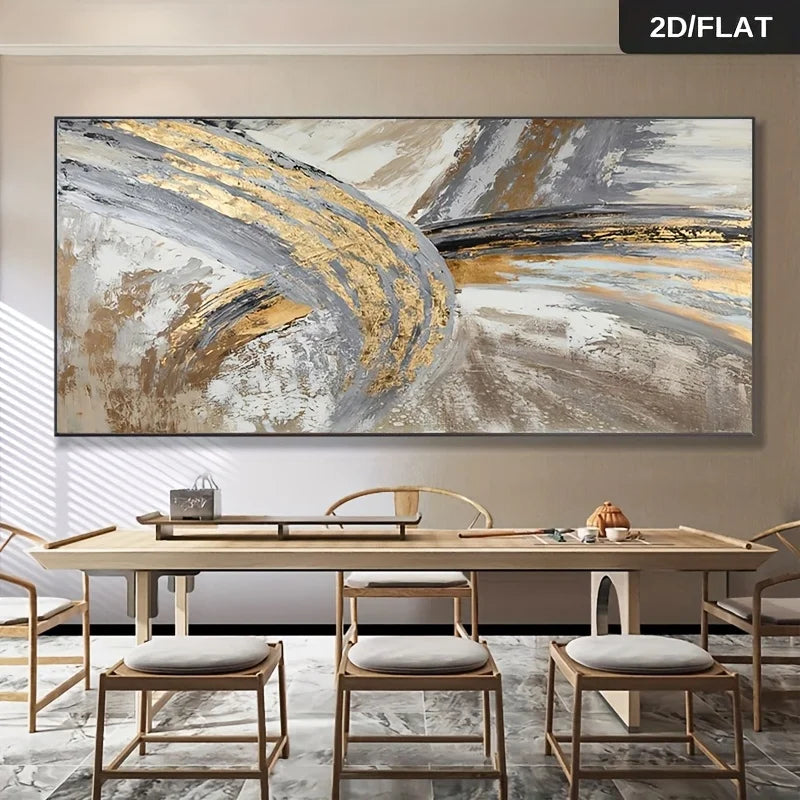
Credit: nordicwallart.com
Dining Room Wall Art Trends
Art trends change, but some ideas are timeless. Here are popular styles and what makes them work:
Abstract Art
Abstract pieces use shapes, colors, and lines. They are popular because they work with many styles. In 2026, abstract art sales grew by 18% in the US, showing strong demand.
Botanical Prints
Botanical art brings nature inside. Greenery and flowers create a fresh, peaceful feeling. They work well in rooms with natural light.
Minimalist Art
Minimalist art uses clean lines and simple colors. This style suits modern and Scandinavian dining rooms.
Vintage Posters And Prints
Vintage art adds nostalgia and charm. Food and wine posters are especially popular. They connect the dining room to classic restaurants.
Local And Personal Art
Art from local artists or family members adds meaning. It supports the community and makes your room unique.
Text-based Art
Quotes, menus, and poetry printed or painted on canvas can make your dining room feel personal and fun.
| Trend | Yearly Growth | Ideal Room Style |
|---|---|---|
| Abstract Art | +18% | Modern, contemporary |
| Botanical Prints | +12% | Light, airy rooms |
| Vintage Posters | +9% | Traditional, eclectic |
| Text-Based Art | +10% | Casual, family rooms |
Art Materials And Framing Choices
The material and frame you choose affect the look, durability, and ease of cleaning.
Canvas
Canvas art is lightweight and easy to hang. It’s durable and doesn’t need glass. Canvas prints are often cheaper than original paintings.
Paper
Paper art needs a frame with glass for protection. It’s more sensitive to light and moisture.
Metal
Metal prints are modern and shiny. They resist scratches and moisture, making them good for rooms with high traffic.
Wood
Wood-framed art has a warm, natural look. It’s heavier but adds character.
Acrylic
Acrylic art is sleek and glossy. It’s easy to wipe clean and suits contemporary spaces.
Framing Tips
- Choose frames that match other elements in your room, like furniture or lighting.
- Use matting (the white border inside the frame) to make art look bigger and more elegant.
- Avoid frames that are too ornate for modern rooms.
Non-obvious insight: UV-protective glass is worth the cost. It keeps colors from fading, especially in rooms with sunlight.
Art For Different Dining Room Styles
Your dining room’s style guides your art choices. Here’s how to match art to popular room designs:
Modern Dining Rooms
Use abstract art, minimalist prints, or metal sculptures. Stick to simple frames and bold colors.
Traditional Dining Rooms
Choose classic paintings, landscapes, or floral prints. Wood frames and symmetrical arrangements work best.
Eclectic Dining Rooms
Mix different styles, colors, and frame types. Try gallery walls with photos, prints, and 3D art.
Industrial Dining Rooms
Select metal art, black-and-white photography, and bold graphics. Simple, dark frames fit the theme.
Small Dining Rooms
Use light colors and small pieces. Mirrors can help make the space feel bigger.
Large Dining Rooms
Go for big statement art or murals. Gallery walls with multiple pieces are also effective.
Where To Buy Dining Room Wall Art
Finding the right art is easier than ever, thanks to online stores, local galleries, and custom options.
Online Retailers
Websites like Etsy, Saatchi Art, and Society6 offer a wide range of styles and prices. Many provide previews and reviews.
Local Art Galleries
Buying from local galleries supports artists in your area. You can see the art in person and ask questions.
Custom Art
Commissioning custom art lets you choose size, style, and subject. This is more expensive, but you get something unique.
Diy Art
Making your own art is fun and personal. Simple DIY projects include painted canvases, photo collages, or framed fabric.
Non-obvious insight: Ask artists or sellers about the cleaning and care needs of their pieces. Some art requires special handling or protection.

Credit: www.youtube.com
How To Care For Dining Room Wall Art
Art needs care to stay beautiful. Dust, sunlight, and humidity can damage it over time.
Cleaning
- Dust frames and glass with a soft, dry cloth.
- For canvas or acrylic, use a gentle brush.
- Never use water or chemicals on original art.
Protection
- Keep art out of direct sunlight to prevent fading.
- Use UV-protective glass when possible.
- Avoid placing art above radiators or vents.
Maintenance
- Check hanging hardware regularly for safety.
- Rotate art every few years to refresh your space and prevent sun damage.
Common mistake: Using harsh cleaners on art. Always follow the artist’s instructions or ask for advice if unsure.
Making Dining Room Wall Art A Conversation Starter
Art can spark interesting discussions and make guests feel welcome. Here’s how to use your wall art as a social tool:
- Choose pieces with stories behind them, such as art from travels or local artists.
- Display art related to food or drink for a dining theme.
- Use text-based art with funny or thoughtful quotes.
You can also change your art seasonally or for special occasions. For example, hang festive art for holidays or family photos for gatherings.

Credit: www.amazon.com
Frequently Asked Questions
What Size Wall Art Is Best For Above The Dining Table?
The best size covers about 60–75% of the wall space above your table. For example, if your table is 60 inches wide, choose art or a group of art pieces that are 36–45 inches wide.
Should I Match Dining Room Art With My Furniture?
It’s helpful if colors or styles complement your furniture, but it’s not required. Art can stand out or blend in, depending on your taste.
How Do I Create A Gallery Wall In My Dining Room?
Start by choosing 4–8 pieces of similar style or theme. Arrange them on the floor first, then use paper templates to plan placement. Keep spacing even for a tidy look.
Can I Use Mirrors As Wall Art In The Dining Room?
Yes, mirrors are a smart choice. They make rooms look bigger and brighter. Use framed mirrors for a decorative touch.
Where Can I Find Unique Dining Room Wall Art?
Try local galleries, online stores like Etsy, or commission custom pieces. Even antique shops and flea markets have interesting finds. For inspiration, visit Saatchi Art.
Bringing art into your dining room is more than just decoration. It’s a way to express yourself, create an inviting atmosphere, and make each meal memorable. With the right choices and careful placement, your dining room wall art will be the highlight of your home.
