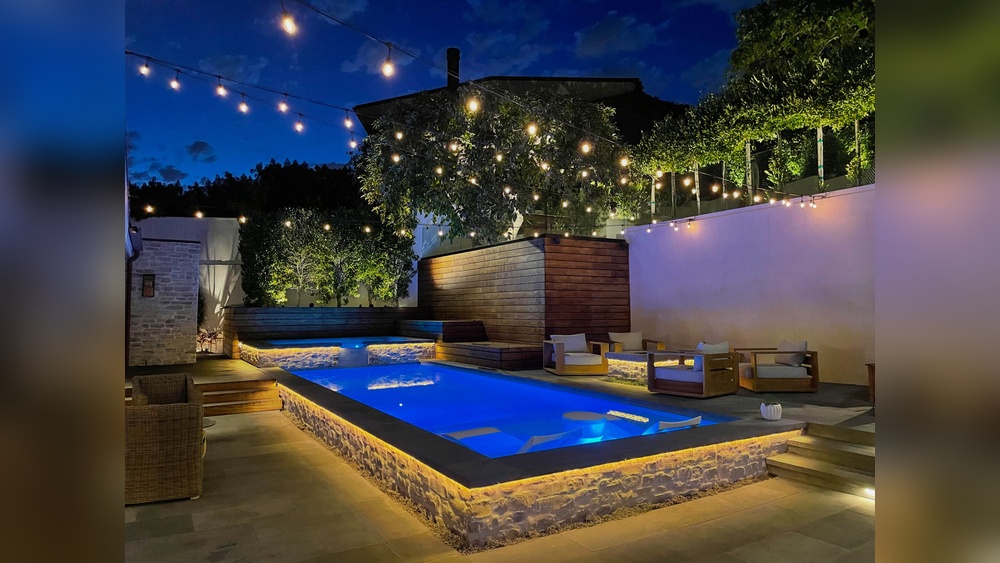
Backyard entertaining has become more popular than ever. People want to create a welcoming space for family and friends to relax, eat, and celebrate outdoors. But when the sun goes down, the right lighting makes all the difference. Outdoor lighting sets the mood, boosts safety, and highlights your garden’s best features. Choosing the best lights isn’t just about looks. It’s about function, energy savings, and comfort too.
Many homeowners get overwhelmed by the options. String lights, lanterns, spotlights, path lights, and other fixtures each serve a unique purpose in outdoor lighting design. Some lighting styles are perfect for casual barbecues, while others fit formal dinner parties or festive celebrations. This guide breaks down the top outdoor lighting types for backyard entertaining.
You’ll also find practical advice, essential features, and tips to avoid common mistakes. By the end, you’ll know exactly how to make your backyard shine for any occasion.
Why Outdoor Lighting Matters For Backyard Entertaining
Lighting does much more than simply help you see at night. The right setup can transform your backyard into a magical retreat or a lively party zone. Here’s why investing in outdoor lighting pays off:
- Safety and Security: Well-lit paths, stairs, and seating areas prevent trips and falls. Good lighting also deters unwanted guests, making your home feel secure.
- Ambiance and Mood: Soft, warm lights can make a space feel intimate and cozy. Brighter, colorful lights add energy for celebrations.
- Highlighting Features: Well-placed lights draw attention to gardens, trees, water features, or architectural details.
- Extended Use: With proper lighting, you can enjoy your backyard long after sunset, making it perfect for parties, dinners, or quiet evenings.
- Property Value: Professional lighting design can boost your home’s value and curb appeal.
Many beginners overlook the balance between brightness and softness. Too much light can feel harsh and unwelcoming, while too little leaves guests stumbling in the dark. Layering different types of lights is key for a comfortable, flexible atmosphere.
Popular Types Of Outdoor Lighting For Entertaining
Choosing the best outdoor lighting depends on your backyard’s size, style, and typical gatherings. Here’s a look at the most popular types, their strengths, and best uses.
String Lights
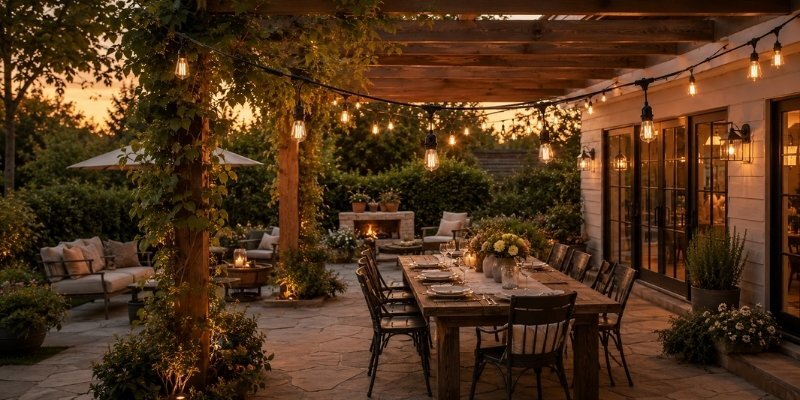
String lights are a classic choice for backyard entertaining. They create a warm, inviting glow that suits almost any event, from casual get-togethers to romantic dinners.
Pros:
- Easy to install and move
- Available in many styles (bulb shapes, sizes, colors)
- Affordable and energy-efficient (especially with LED models)
Cons:
- May require extension cords or planning for outlets
- Can tangle or break if not stored carefully
Best for: Hanging above patios, decks, or pergolas; wrapping around trees; outlining fences or gazebos.
Lanterns
Lanterns offer both style and function. Choose from hanging lanterns, tabletop versions, or even solar-powered models for eco-friendly ambiance.
Pros:
- Portable and versatile
- Available in metal, glass, bamboo, and other materials
- Can use candles, LED, or solar lights
Cons:
- Open flame lanterns need supervision
- Some models are less bright
Best for: Table centerpieces, accenting walkways, or adding a rustic touch.
Path Lights
Path lights make walkways safe and easy to navigate, especially when guests are unfamiliar with your yard.
Pros:
- Improve safety for nighttime movement
- Solar and low-voltage options available
Cons:
- Need to be spaced evenly for best effect
- Some solar models may not be bright enough
Best for: Lining garden paths, driveways, or the way to backyard seating areas.
Spotlights And Uplights
Spotlights and uplights are used to draw attention to special features, like trees, sculptures, or water fountains.
Pros:
- Adjustable focus and brightness
- Highlight landscaping or architecture
Cons:
- Require planning for placement and wiring
- Can create glare if misdirected
Best for: Large trees, fountains, textured walls, or yard art.
Wall Lights And Sconces
Mounted lights like wall sconces provide steady illumination for patios, decks, and outdoor walls.
Pros:
- Permanent and weather-resistant
- Many styles to match your home’s look
Cons:
- Need professional installation for hardwired models
- Less flexible than portable lights
Best for: Patio walls, entryways, outdoor kitchens.
Deck And Step Lights
These lights are installed directly into stairs or deck surfaces, making them almost invisible during the day.
Pros:
- Help prevent trips and falls
- Sleek, modern appearance
Cons:
- Installation can be complex
- May require regular cleaning to stay bright
Best for: Decks, stairs, multi-level patios.
Floodlights
Floodlights are much brighter than most decorative options. Use them sparingly for security or large events.
Pros:
- High brightness for wide areas
- Good for safety and security
Cons:
- Can be harsh and unflattering for social zones
- Use more energy
Best for: Driveways, sports courts, or when you need maximum visibility.
Table And Floor Lamps (outdoor Rated)
Outdoor-rated lamps are similar to indoor ones but designed to handle weather and moisture.
Pros:
- Movable and easy to use
- Add a homey touch to patios or seating areas
Cons:
- Must be kept out of heavy rain
- Need outdoor-safe outlets
Best for: Side tables, outdoor lounges, covered patios.
Fire Pits And Tiki Torches
These lighting options double as heat sources and decor.
Pros:
- Add real warmth and ambiance
- Can keep bugs away (especially citronella torches)
Cons:
- Open flames require safety precautions
- Not suitable for small or crowded spaces
Best for: Gathering spots, themed parties, or chilly evenings.
Smart Outdoor Lighting
Smart lights can be controlled by phone apps or voice assistants, offering color-changing options, timers, and automation.
Pros:
- Customizable colors and brightness
- Set schedules or control remotely
Cons:
- Higher upfront cost
- Requires Wi-Fi or Bluetooth setup
Best for: Tech-savvy hosts, parties with changing themes, or anyone who loves convenience.

Key Factors To Consider When Choosing Outdoor Lighting
Not all lights are created equal. Here’s what matters most when picking outdoor lighting for entertaining:
Weather Resistance
Outdoor lights must withstand rain, wind, sun, and temperature changes. Look for an IP rating (Ingress Protection). In general, a higher rating provides better protection against dust and moisture. For most backyards, IP44 or above is suitable.
Power Source
- Solar: Easy to install, energy-saving, but may be dim on cloudy days.
- Battery: Portable but require battery changes.
- Plug-in: Reliable, but needs access to outdoor outlets.
- Hardwired: Permanent and powerful, but needs professional installation.
Brightness And Color Temperature
- Lumens measure brightness. For entertaining, 100–300 lumens per fixture usually works well.
- Color temperature is measured in Kelvins (K). Warm white (2700–3000K) is cozy and inviting. Cool white (4000–5000K) is good for tasks or modern looks.
Energy Efficiency
LED lights use up to 80% less energy than incandescent bulbs and last much longer. Solar lights are free to run, but performance varies by location and season.
Installation And Maintenance
Some lights are plug-and-play, while others need digging, wiring, or mounting. Consider how much effort you’re willing to put in, both at setup and for ongoing care.
Style And Theme
Choose lights that fit your backyard’s design. Modern, rustic, tropical, or classic. Consistent style creates a unified, attractive look.
Budget
Prices range from $20 for simple string lights to $500+ for smart or hardwired systems. Decide what matters most: coverage, style, or advanced features.
Table: Comparison Of Common Outdoor Lighting Types
Here’s a quick comparison to help you see which light types suit your needs:
| Type | Best For | Typical Price Range | Energy Source | Ease of Installation |
|---|---|---|---|---|
| String Lights | Atmosphere, patios | $20–$80 | Plug-in, solar | Easy |
| Lanterns | Accent, tables | $10–$60 | Battery, candle, solar | Very Easy |
| Path Lights | Safety, walkways | $30–$150 | Solar, low-voltage | Moderate |
| Spotlights | Highlighting features | $25–$200 | Plug-in, low-voltage | Moderate |
| Wall Sconces | Fixed zones | $40–$250 | Hardwired | Complex |
How To Layer Outdoor Lighting For The Perfect Backyard Atmosphere
One of the most common mistakes is relying on just one type of light. The best backyards use layered lighting, combining general, accent, and task lighting for a balanced and functional outdoor space. Here’s how to do it:
- General Lighting: These are your main sources of light, including overhead string lights, floodlights for wide coverage, and wall sconces around the patio.
- Accent Lighting: Add charm and highlight key features. Use spotlights on trees, lanterns on tables, or uplights near sculptures.
- Task Lighting: Focus on areas where clear visibility is important, such as walkways, stairs, and grilling stations. Path lights, step lights, and outdoor lamps can help improve safety and convenience.
Combining these layers avoids harsh shadows and creates a welcoming feel. For example, you might hang warm string lights above the dining area, place path lights along the garden, and add spotlights to a beautiful tree.
Table: Example Layered Lighting Plan For A Medium Backyard
| Area | General Lighting | Accent Lighting | Task Lighting |
|---|---|---|---|
| Dining Patio | String Lights | Lantern Centerpiece | Wall Sconce (by door) |
| Garden Path | — | Uplight on tree | Solar Path Lights |
| Fire Pit Area | Low LED Floodlight | Tiki Torches | — |
Installation Tips And Common Mistakes To Avoid
Installing outdoor lights doesn’t have to be difficult, but a few smart steps make a big difference. Here are practical tips and pitfalls to watch for:
Plan Your Layout
Before buying, sketch your backyard and mark where you need light. Consider where guests will walk, sit, and gather. Too often, people buy lights without measuring distances, leading to dark spots or unused fixtures.
Check Power Access
Outdoor outlets are essential for plug-in and smart lights. If you don’t have enough, consider solar or battery-powered options. For larger systems, you may need a professional electrician.
Mind The Neighbors
Keep bright lights away from property lines to avoid bothering neighbors. Use shields or direct spotlights downward to reduce glare.
Avoid Over-lighting
More light isn’t always better. Over-lit spaces feel cold and uncomfortable. Use dimmers, lower wattage bulbs, or indirect lighting for a softer effect.
Weatherproof Everything
Use outdoor-rated extension cords and fixtures. Even covered patios need weatherproof lights because humidity and insects can still cause problems.
Secure Cables And Fixtures
Loose wires are a tripping hazard. Use stakes, clips, or bury cables as needed. Make sure all fixtures are stable and won’t tip over.
Clean And Maintain
Dirt, bugs, and rain can cloud lenses and block solar panels. Wipe lights every few months and check for damage after storms.
Table: Common Outdoor Lighting Mistakes And How To Avoid Them
| Mistake | Why It’s a Problem | How to Fix |
|---|---|---|
| All lights one color | Looks flat, less interest | Mix warm and cool tones for depth |
| Ignoring safety zones | Guests may trip or fall | Light all stairs, steps, and paths |
| Wrong IP rating | Damage or short circuits | Choose IP44 or higher |
| Too many floodlights | Harsh, uncomfortable atmosphere | Balance with softer options |
Creative Ideas To Enhance Your Backyard Lighting
Going beyond the basics can make your backyard unforgettable. Here are some creative ideas:
- Color-changing LEDs: Change the mood for holidays, birthdays, or sports games.
- Shadow play: Place uplights behind plants to cast interesting shadows on walls or fences.
- DIY Mason jar lanterns: Fill jars with fairy lights and hang from trees or hooks.
- Water feature lighting: Submerge waterproof LEDs in fountains or ponds for a magical effect.
- Hidden strip lights: Tuck LED strips under bench edges or railings for a glow that seems to come from nowhere.
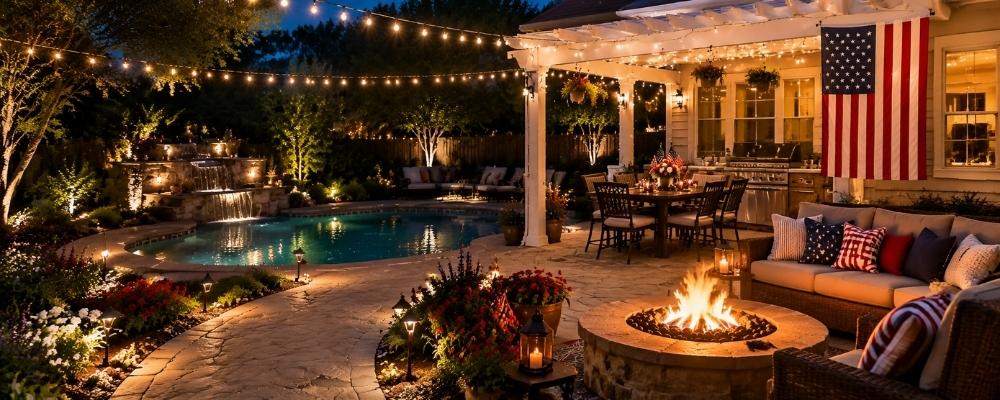
Some homeowners forget about controlling insects. Warm, yellow-toned lights attract fewer bugs than bright white or blue-toned bulbs. For serious bug problems, look for “bug lights” designed to minimize attraction.
Sustainability And Energy Savings
Eco-friendly lighting isn’t just a trend. It’s smart for your wallet and the planet. Here’s how to make sustainable choices:
- Choose LEDs: They use less electricity, last over 25,000 hours, and run cooler.
- Go solar: Great for sunny climates and places far from outlets.
- Timers and motion sensors: Lights only turn on when needed, saving energy.
- Low-voltage systems: Use less electricity and are safer for DIY projects.
A study by the U. S. Department of Energy found that switching from traditional outdoor incandescent bulbs to LEDs can cut energy use by up to 75%. Over a year, this could mean big savings, especially for larger properties.
For more on energy efficiency, check out the U.S. Department of Energy’s guide to outdoor lighting.
Real-world Examples: Lighting For Different Events
Backyard entertaining takes many forms. Here’s how you might light three common occasions:
Casual Barbecue
- String lights overhead for a warm, laid-back feel.
- Solar path lights for safe movement after sunset.
- Lanterns on tables for easy, portable glow.
Elegant Dinner Party
- Wall sconces or deck lights for a clean, modern look.
- Spotlights on trees or art for drama.
- Dimmed floodlights far from the dining area to define the space.
Kids’ Birthday Party
- Colorful LED bulbs or light projectors for fun effects.
- Path and step lights for safety during games.
- Tiki torches away from play zones for a festive touch.
Each event benefits from different combinations, but the right mix always includes safe walkways, inviting gathering spots, and highlights for your yard’s best features.
Frequently Asked Questions
What Is The Safest Type Of Outdoor Lighting For Families With Children And Pets?
The safest options are solar or low-voltage LED lights. These stay cool to the touch and don’t need exposed wires or open flames. Avoid torches or candles near play areas.
How Do I Prevent Outdoor Lights From Attracting Bugs?
Use yellow “bug light” bulbs or warm white LEDs. Place lights away from seating areas if possible, and avoid blue or bright white bulbs which attract more insects.
Can I Install Outdoor Lighting Myself, Or Do I Need A Professional?
Simple solar, battery, or plug-in lights are easy for most people to install. Hardwired systems, especially those near water or requiring new outlets, should be installed by a licensed electrician for safety.
How Bright Should My Backyard Lights Be For Entertaining?
Aim for 100–300 lumens per fixture in seating and dining areas. Paths can use less (50–100 lumens). Use dimmers or soft bulbs to avoid harshness and keep the mood relaxed.
What Is The Best Way To Light A Large Backyard On A Budget?
Combine solar path lights for walkways, string lights for main seating zones, and a few LED spotlights for trees or features. Focus on layering affordable options rather than buying many expensive fixtures.
Lighting your backyard for entertaining is part art, part science. With a mix of string lights, path lights, lanterns, and smart design, you can create a space that’s both functional and beautiful. The best setups are safe, energy-efficient, and reflect your personal style. With a little planning, your backyard will be ready for unforgettable nights all year round.
