Choosing the right kitchen table can change the way your home feels. A kitchen table is more than a place to eat. It’s where you gather, chat, and share moments. If your table fits well with your decor, your kitchen feels welcoming and balanced.
But matching a table to your decor is not easy. Many people struggle with style, size, material, and color. They might buy a beautiful table, but later realize it doesn’t match their room. This guide will help you select a kitchen table that fits your space and decor, even if you are not a designer.
You’ll learn how to avoid common mistakes, use practical steps, and find inspiration for different styles.
Understanding Your Kitchen Decor
Before you pick a table, you need to understand your current kitchen decor. Kitchens can be traditional, modern, rustic, industrial, or a mix. Each style has its own unique look, defined by its colors, materials, shapes, and design details.
Think about these questions:
- What is the main style in your kitchen?
- What colors are on the walls, cabinets, floors, and appliances?
- What materials stand out? (Wood, metal, glass, stone)
- Are there patterns or textures (like tiles, wallpaper, rugs)?
If you’re not sure about your kitchen’s style, try to find inspiration online or in magazines. For example, a modern kitchen may have sleek cabinets, neutral colors, and metal accents. A rustic kitchen has warm wood, vintage details, and cozy fabrics.
Non-obvious insight: Look at the parts of your kitchen that people notice first. Sometimes, the kitchen table is the main focus. Other times, it’s the lighting or the backsplash. Matching your table to these “visual anchors” will help your decor feel more connected.
Choosing The Right Table Size And Shape
One of the biggest mistakes is buying a table that is too big or too small. Size and shape matter as much as style. Here’s how to get it right:
Measuring Your Space
Start by measuring the area where you want your table. Leave enough space for chairs and walking. The standard rule is:
- Leave at least 36 inches between the table and walls or other furniture.
- Each chair needs about 24 inches of space.
If your kitchen is small, a round or square table can save space. For bigger kitchens, rectangular or oval tables work well.
Comparing Table Shapes
Here’s a quick look at how different shapes fit in various spaces:
| Table Shape | Best For | Space Efficiency | Seating Capacity |
|---|---|---|---|
| Round | Small kitchens | High | 2-6 |
| Square | Compact spaces | Medium | 2-4 |
| Rectangular | Large kitchens | Low | 4-10 |
| Oval | Long rooms | Medium | 4-8 |
Non-obvious insight: If your kitchen is narrow, avoid round tables. They waste space at the sides. If you have a square room, a round table makes movement easier.
Matching Materials And Finishes
The material of your kitchen table should match or complement the materials in your kitchen. Here’s what to consider:
Wood
Solid wood tables are classic and warm. If your kitchen has wood cabinets or floors, try to match the wood tones. Light woods (like oak or maple) are good for airy, modern spaces. Dark woods (like walnut or mahogany) fit traditional or rustic kitchens.
Glass
Glass tables look modern and open. They reflect light and make small kitchens seem bigger. But glass can show fingerprints and may not be best for families with young children.
Metal
Metal tables or those with metal legs fit industrial or modern kitchens. Stainless steel, chrome, or black metal can match appliances or hardware.
Stone
Stone tops (like marble or granite) are elegant and durable. If your kitchen has stone countertops, choosing a table with a similar look creates harmony.
Comparison Table: Materials Vs. Kitchen Styles
| Material | Matches With | Pros | Cons |
|---|---|---|---|
| Wood | Traditional, Rustic | Warm, Durable | Needs maintenance |
| Glass | Modern | Light, Stylish | Fragile, Shows marks |
| Metal | Industrial, Modern | Strong, Easy to clean | Can feel cold |
| Stone | Elegant, Luxury | Beautiful, Durable | Heavy, Expensive |
Practical tip: If you can’t match the material exactly, use the same finish. For example, if your kitchen hardware is brushed nickel, choose a table with similar leg finish.
Picking The Perfect Color
Color can make or break your kitchen table’s look. It should either blend in or stand out as an accent.
Coordinating Colors
If you want harmony, match your table color to the main colors in your kitchen. For example:
- White table with white cabinets for a clean, modern look.
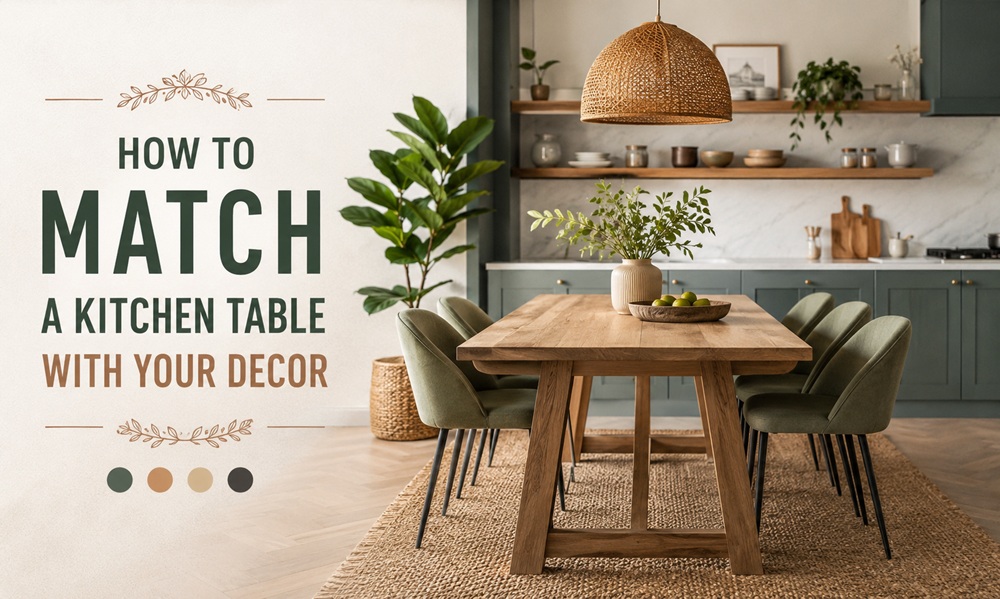
- Natural wood table with wood floors for a cozy vibe.
Creating Contrast
If you want your table to pop, choose a contrasting color. For example:
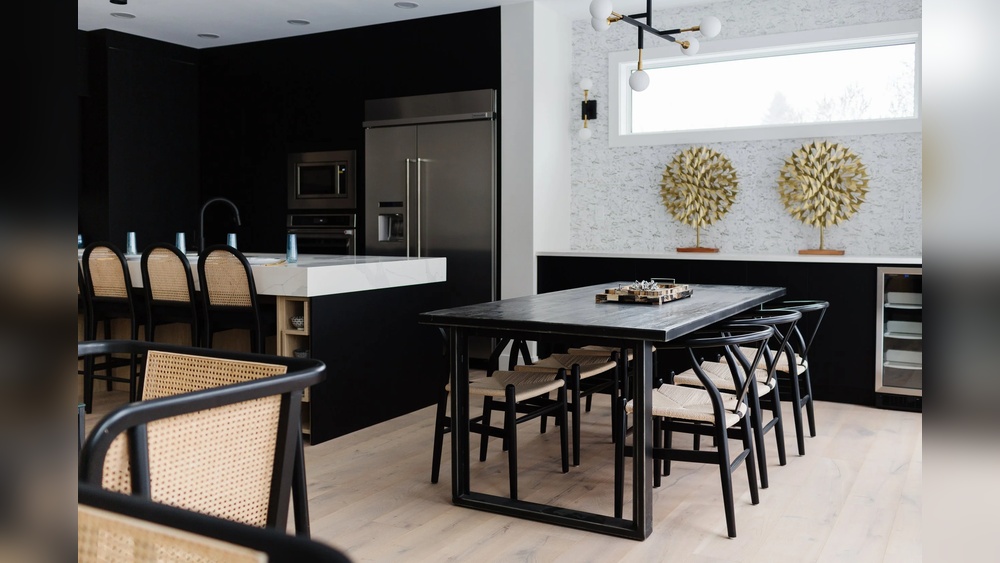
- Black table in a white kitchen.
- Bright colored table (like blue or red) in a neutral kitchen.
Using Color Psychology
Colors affect mood:
- Warm colors (red, orange, yellow) create energy and appetite.
- Cool colors (blue, green, gray) feel calm and relaxed.
- Neutral colors (white, beige, brown) are safe and timeless.
Non-obvious insight: Pay attention to undertones. For example, “white” can be warm (creamy) or cool (blueish). Make sure your table’s color undertone matches your kitchen’s.
Style Matching: Classic, Modern, And More
Matching your kitchen table to your decor style is not just about looks.It’s about mood and function. Here are popular styles:
Traditional
Traditional kitchens use rich woods, classic shapes, and elegant details. Tables with carved legs, dark wood, or vintage finishes fit well.
Modern
Modern kitchens are clean and simple. Tables with straight lines, glass tops, or metal legs work. Avoid too much detail.
Rustic
Rustic kitchens have a cozy, lived-in feel. Tables with reclaimed wood, distressed finishes, or farmhouse style are perfect.
Industrial
Industrial kitchens use metal, raw wood, and exposed details. Tables with steel legs or concrete tops match this look.
Scandinavian
Scandinavian style is light, simple, and natural. Tables with light wood, white finishes, and simple shapes are ideal.
Comparing Style Features
| Style | Key Features | Table Example |
|---|---|---|
| Traditional | Ornate, Dark wood | Mahogany table with carved legs |
| Modern | Sleek, Minimal | Glass top with metal frame |
| Rustic | Weathered, Natural wood | Farmhouse plank table |
| Industrial | Raw, Metal | Steel and wood mix table |
| Scandinavian | Light, Simple | Birch wood round table |
Practical tip: If your kitchen mixes styles (like rustic and modern), choose a table that has elements from both. For example, a wood table with simple lines.
Balancing Function And Style
A kitchen table must be both beautiful and practical. Think about how you use your kitchen:
- Do you need a table for family meals, homework, or parties?
- Do you need storage (drawers, shelves)?
- Will you move the table often?
Multi-use Tables
Some tables have drop leaves or extensions for extra space. Others have built-in storage.
Durable Surfaces
If you have kids or cook a lot, choose a table with a strong, easy-clean surface. Wood with a sealed finish, laminate, or glass are good choices.
Seating Options
Match your table with chairs or benches. Benches save space and look casual. Upholstered chairs add comfort but need cleaning.
Non-obvious insight: Think about legroom. Some tables have thick legs that block chairs. Test with your own chairs before buying.
Lighting And Placement
Where you place your kitchen table affects how it looks and feels.
- Put the table under a pendant light or chandelier for a cozy effect.
- Near a window, your table gets natural light and feels open.
- Avoid placing the table where it blocks walkways or doors.
Practical tip: If your kitchen is dark, choose a light-colored table to brighten the space. If it’s sunny, dark wood adds balance.
Personal Touches: Accessories And Decorations
Accessories can help your table match your decor. Here are ways to add personality:
- Use a table runner or placemats that match your kitchen colors.
- Add a vase with flowers or a bowl with fruit.
- Place candles or small plants for warmth.
- Change accessories by season for freshness.
Non-obvious insight: Accessories can help fix a mismatch. If your table color doesn’t match, use a runner or centerpiece that ties the colors together.
Mistakes To Avoid When Matching A Table
Many people make simple mistakes when picking a kitchen table. Here are some to watch out for:
- Ignoring measurements: Buying a table without measuring your space leads to crowding.
- Mixing too many styles: Try to keep a clear style, or mix carefully.
- Choosing trendy over practical: A cool table might not fit your needs.
- Forgetting about durability: Soft woods and glass scratch easily.
- Not considering maintenance: Some materials need special care.
- Skipping color checks: Colors look different in daylight and at night.
- Buying without testing chairs: Make sure your chairs fit under the table.
Real-life Examples And Inspiration
Here are some real-life examples that show how a kitchen table can match different decor styles:
- In a modern apartment, a white glass table with chrome legs fits glossy cabinets and stainless steel appliances.
- In a farmhouse kitchen, a reclaimed wood table matches exposed beams and vintage fixtures.
- In a small city kitchen, a round drop-leaf table fits a corner without blocking walkways.
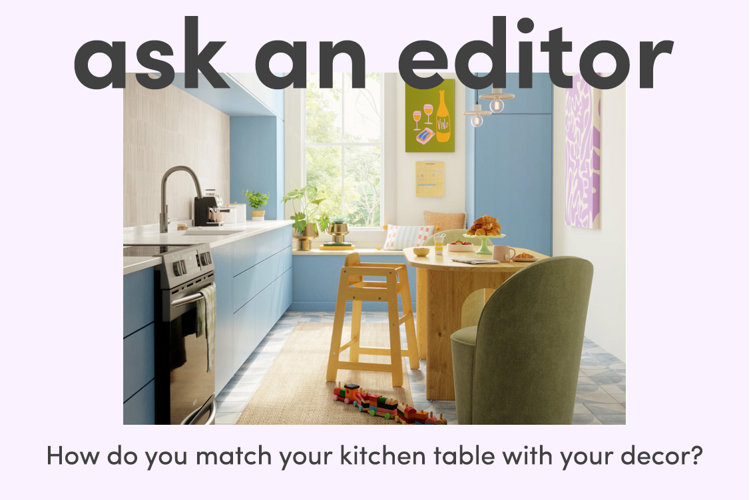
- In a colorful kitchen, a bright yellow table adds energy and matches artwork on the walls.
You can see more real kitchens and design ideas at Architectural Digest.

How To Shop For A Kitchen Table
Shopping for a kitchen table is easier if you know what to look for:
- Make a list of your kitchen’s style, colors, and materials.
- Measure your space carefully, including room for chairs.
- Choose a material and color that fits your decor and needs.
- Try to see the table in person, or request samples.
- Check reviews and durability info.
- Consider delivery and assembly options.
Practical tip: Ask sellers about return policies. Sometimes, a table looks different in your home than in the store.
Frequently Asked Questions
How Do I Match My Kitchen Table To My Cabinets?
Look at cabinet color and material. Try to use similar tones or finishes. If your cabinets are wood, match the wood type or stain. For painted cabinets, use a table in the same color family or a neutral shade.
Can I Mix Different Styles For My Kitchen Table And Decor?
Yes, but mix styles carefully. Choose a table with features from both styles. For example, a modern table with rustic wood legs. Keep the rest of the decor simple to avoid clutter.
What Is The Best Table Shape For A Small Kitchen?
Round or square tables fit small kitchens best. They take less space and make movement easier. Drop-leaf tables are also a great option because they can be folded down when not in use.
How Do I Choose A Durable Kitchen Table?
Look for tables made from hardwood, metal, or stone. Avoid soft woods or glass if you have kids. Check for finishes that resist stains and scratches.
What If My Table Doesn’t Match My Decor?
Use accessories like tablecloths, runners, or centerpieces to tie colors together. Sometimes, painting or refinishing the table helps. If you can’t change the table, update other parts of the kitchen for balance.
Matching your kitchen table with your decor is about planning, measuring, and choosing carefully. The right table brings your kitchen together, making it a place you want to spend time. With these tips, you can avoid mistakes and create a space that feels just right for you.