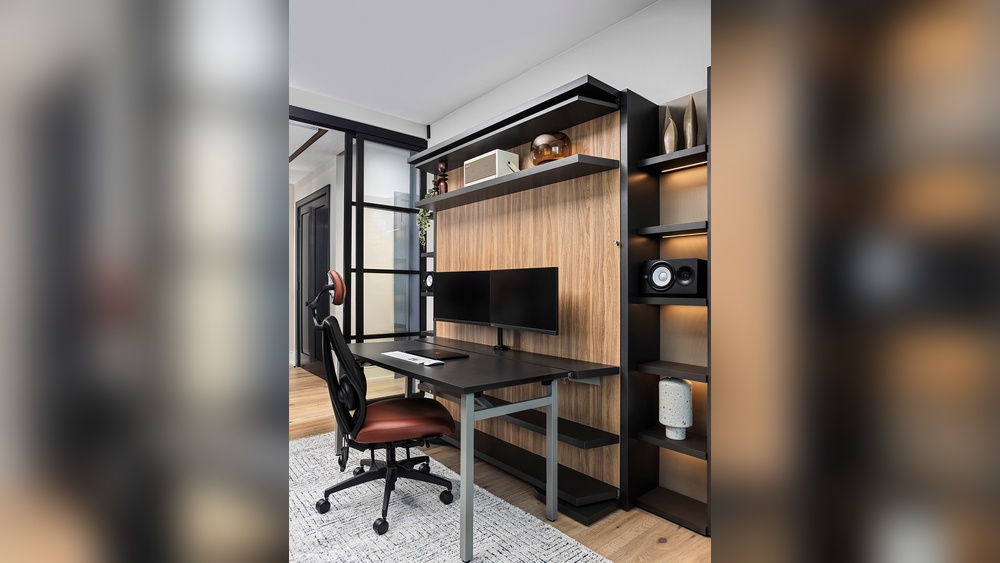
Creating a home office in a small room can feel overwhelming. You want a space that helps you focus and stay organized, but you might worry there’s not enough room for everything. The truth is, you can build a stylish, comfortable, and productive workspace even in tight spaces.
With the right furniture and smart design choices, your small room can become a powerful home office. This article will guide you through practical furniture ideas, space-saving tips, real examples, and expert advice to help you create a workspace you love.
Making The Most Of Small Spaces
The first step is to understand the room you’re working with. Small rooms force you to use every inch wisely. It’s not about stuffing in lots of furniture, but about choosing items that do more with less. Before buying anything, measure your room and note window locations, doors, and outlets.
This helps you see what fits and where.
Why Furniture Choice Matters
The right furniture can make a small room feel bigger and more functional. Traditional desks and chairs often waste space, but modern designs focus on multi-use, compactness, and storage. According to the National Association of Home Builders, the average American home office is only 100–150 square feet. Many people work in spaces much smaller, sometimes just 50 square feet. Good furniture can help you thrive even in these conditions.
Smart Desk Solutions For Small Rooms
Your desk is the heart of your home office. But in a small room, a big desk can quickly fill the space and leave little room for anything else.
Wall-mounted Desks
Wall-mounted or “floating” desks attach directly to the wall, freeing up floor space. Some models fold down when not in use. This is perfect for rooms where every inch counts. For example, the IKEA NORBERG wall desk is just 15 inches deep and folds up when you’re done working.
Corner Desks
Corners are often wasted space. A corner desk can turn these areas into productive zones. Look for designs with built-in shelves or drawers to maximize storage.
Compact Writing Desks
Writing desks are usually smaller than standard office desks. Many are less than 36 inches wide and just 20 inches deep. They’re ideal for laptops and light paperwork, and some models include slim drawers for essentials.
Comparison Of Desk Types
Here’s a quick comparison to help you choose:
| Desk Type | Average Size (inches) | Main Benefit | Best For |
|---|---|---|---|
| Wall-Mounted | 30 x 15 | Saves floor space | Tiny rooms |
| Corner Desk | 40 x 24 | Uses corner area | Rooms with unused corners |
| Writing Desk | 36 x 20 | Compact and simple | Minimalist setups |
Chairs That Fit Small Rooms
A comfortable chair is essential, but bulky models can overwhelm a small room. Look for chairs that combine comfort with a slim profile.
Armless Task Chairs
Armless chairs take up less space and can slide under desks easily. Many models are adjustable and have ergonomic support.
Folding Chairs
If you only need your office part-time, a folding chair is a smart option. You can store it away when not working, freeing up space for other activities.
Rolling Stools
Stools with wheels offer mobility and flexibility. Some have adjustable heights and small footprints, making them ideal for tight spaces.
Chair Comparison
Let’s compare three good options:
| Chair Type | Width (inches) | Comfort Level | Space Saving |
|---|---|---|---|
| Armless Task Chair | 20 | High | Moderate |
| Folding Chair | 18 | Medium | High |
| Rolling Stool | 16 | Medium | Very High |
Storage Ideas To Keep You Organized
Clutter can quickly take over a small room. Smart storage solutions help keep your office neat and efficient.
Vertical Shelving
Vertical shelves use wall space instead of floor space. Install floating shelves above your desk or on empty walls. This keeps books, files, and supplies within reach but out of the way.
Under-desk Storage
Many desks have space underneath for storage bins or small drawers. Use stackable bins to hold papers, cables, or office supplies. Choose bins with wheels for easy access.
Multi-function Furniture
Furniture that serves more than one purpose is a lifesaver in small rooms. For example, a storage ottoman can hold files and double as extra seating. Some desks have built-in bookshelves or cabinets.
File Cabinets And Rolling Carts
Slim file cabinets (12–16 inches wide) fit under most desks. Rolling carts with shelves can be moved as needed, holding printers, papers, or supplies.
Storage Comparison Table
Here’s a quick look at storage options:
| Storage Type | Space Used | Best For | Flexibility |
|---|---|---|---|
| Vertical Shelving | Wall only | Books, decor | Fixed |
| Under-Desk Bins | Under desk | Supplies, cables | Movable |
| Multi-Function Furniture | Varies | Files, seating | Multi-use |
| Rolling Carts | Floor | Printer, papers | Very movable |
Lighting For Small Home Offices
Good lighting is key for productivity and comfort. In small rooms, you need solutions that don’t take up much space.
Desk Lamps
Compact desk lamps with adjustable arms direct light where you need it. LED models use less power and stay cool.
Wall-mounted Lights
Wall-mounted lights save desk space and can be positioned for reading or video calls. Some models have flexible arms for easy adjustment.
Natural Light
If possible, position your desk near a window. Natural light boosts mood and helps reduce eye strain. Use light curtains to let sunlight in but avoid glare.
Lighting Tips
- Choose white or daylight bulbs for clarity.
- Avoid bulky floor lamps in small rooms.
- Use dimmable lights if possible to adjust brightness.
Space-saving Accessories
Small accessories can make a big difference in tight spaces.
Monitor Arms
Monitor arms attach to the desk or wall, lifting your screen and freeing up space. This is helpful if you use multiple screens.
Cable Management Tools
Cables often create clutter. Use cable trays, clips, or sleeves to keep wires neat and out of sight.
Desk Organizers
Slim organizers hold pens, sticky notes, and other essentials. Choose vertical designs that stack items rather than spread them out.
Laptop Stands
Laptop stands raise your device for better ergonomics and free up desk space underneath for storage.
Smart Power Strips
A power strip with USB ports helps you charge devices without multiple bulky adapters.
Color And Style Choices
Your furniture’s color and style can change how your small office feels. Lighter colors like white, light gray, or pale wood make rooms seem bigger. Glass or acrylic furniture also creates an open look. Avoid dark or heavy pieces that absorb light and make spaces feel cramped.
Minimalist styles work well in small rooms. Clean lines and simple shapes reduce visual clutter. Choose pieces with hidden storage to keep surfaces clear.
Personal Touches
Add a few personal touches, such as a small plant, framed photo, or artwork, to make your office feel more inviting. But don’t overdo it. Too many decorations can make the space feel crowded.
Practical Examples: Real Small Home Offices
Let’s look at three real examples of small home office setups:
- Tiny Bedroom Office: In a 9×10 foot bedroom, a wall-mounted desk and floating shelves create a workspace without blocking movement. The homeowner uses a folding chair and an under-desk bin for supplies.
- Closet Conversion: A small closet becomes an office by removing the door and adding a compact writing desk, vertical shelves, and a rolling stool. Lighting is provided by a wall-mounted lamp.
- Living Room Corner: One corner of a living room holds a corner desk, slim chair, and a three-tier rolling cart for storage. Light colors and a small plant make the space feel welcoming.
These setups show that even the smallest rooms can become productive offices with smart furniture and a little creativity.
Mistakes To Avoid In Small Home Offices
Many people struggle with their small office because of common mistakes. Here are pitfalls to watch out for:
- Choosing oversized furniture: Large desks or chairs can quickly fill a small room, leaving little space for movement.
- Ignoring vertical space: Walls often go unused. Add shelves or hooks to store items off the floor.
- Skipping storage: Without storage, clutter builds up fast. Always plan for where to keep papers and supplies.
- Overdecorating: Too many decorations or accessories can make the room feel messy and crowded.
- Poor lighting: Bad lighting strains your eyes and hurts productivity. Choose lighting carefully.
How To Plan Your Small Home Office
Before you buy furniture, plan your space. Here’s how:
- Measure your room: Note the size, shape, and features like windows or doors.
- List your needs: Decide what you must have: desk, chair, storage, lighting, etc.
- Sketch a layout: Draw your room and try different furniture placements.
- Choose multi-use items: Look for furniture that does more than one job.
- Think vertical: Plan for shelves and wall-mounted items.
- Leave room to move: Don’t block doors or windows. Make sure you can get in and out easily.
Budget-friendly Furniture Ideas
You don’t need to spend a lot to create a great home office. Many affordable options work well in small rooms.
- IKEA offers compact desks and shelves for under $100.
- Target and Walmart have slim chairs and organizers.
- Repurpose items you already own. For example, use a dining chair as your office chair or turn a kitchen cart into storage.
- DIY solutions work too. Build simple shelves with brackets and wood planks.
If you’re looking for more affordable and creative ideas, check out Architectural Digest for inspiration.
Ergonomics In Small Spaces
It’s easy to forget about ergonomics in a small room, but they matter for your health and comfort.
- Set your desk height so your arms rest comfortably.
- Use a chair with back support.
- Place your monitor at eye level to reduce neck strain.
- Keep frequently used items within reach to avoid stretching or twisting.
Small adjustments can make your workspace much more comfortable.
Hidden Insights For Small Home Offices
Many people focus only on the desk and chair, but two key insights can help:
- Use door backs: The back of your room or closet door can hold hooks, organizers, or even a hanging file system. This is valuable space that’s often ignored.
- Create zones: Even in a small room, define zones. One area for computer work, another for reading or paperwork. This helps you mentally separate tasks and stay organized.
Balancing Work And Relaxation
If your home office is in a bedroom or living room, it’s important to keep work and relaxation separate. Use furniture or decor to mark your workspace. For example, a small rug under your desk or a divider screen can create a sense of boundary.
This helps you switch off when work is done.
Tips For Maintaining Your Small Office
Keeping your small office tidy makes it more pleasant and productive.
- Clean your desk daily.
- Store papers in folders or bins.
- Use digital tools to reduce paper clutter.
- Adjust furniture placement if you feel cramped.
- Review your space every few months and remove items you don’t use.
Frequently Asked Questions
How Do I Fit A Home Office In A Very Small Room?
Choose compact desks, armless chairs, and wall-mounted shelves. Use vertical space and multi-function furniture. Measure your room and plan your layout before buying anything.
What Type Of Desk Is Best For A Small Home Office?
Wall-mounted or corner desks are best. They use less floor space and often include storage. Writing desks are also good for minimalist setups.
How Can I Keep My Small Home Office Organized?
Use vertical shelving, under-desk bins, and slim file cabinets. Keep surfaces clear and store items you don’t use daily. Review your office monthly to remove clutter.
What Lighting Works Best In Small Offices?
Choose compact desk lamps or wall-mounted lights. Position your desk near a window if possible for natural light. Use LED bulbs for efficiency and adjustable brightness.
Are There Affordable Options For Small Office Furniture?
Yes. Stores like IKEA, Target, and Walmart offer budget-friendly desks, chairs, and organizers. Repurpose furniture you already own, and consider simple DIY solutions.
Creating a home office in a small room is possible. It can also be stylish, comfortable, and productive. With careful planning, smart furniture choices, and a few creative ideas, you’ll have a space that helps you do your best work every day.
Remember, your workspace should fit your needs, not just your room size. Think vertically, use multi-purpose items, and keep things organized. With these tips, your small home office will help you stay focused and inspired, no matter how limited your space.
