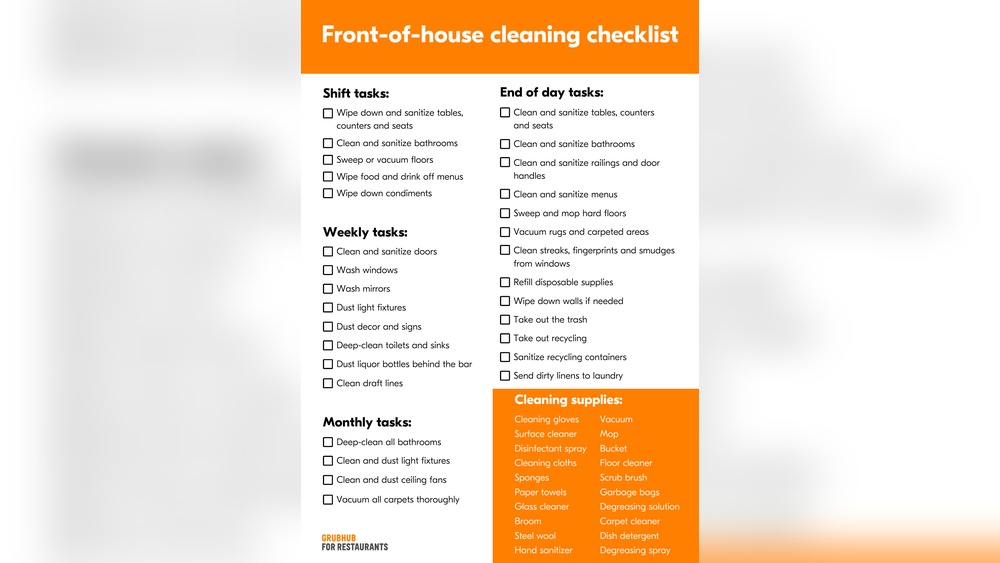
Keeping your kitchen spotless each week is more than just wiping counters. It is about creating a healthy space for cooking and eating. A clean kitchen keeps food safe, prevents pests, and makes meal prep easier. But many people only focus on the visible mess and miss deeper cleaning tasks. If you follow a weekly kitchen cleaning checklist, you can maintain hygiene, reduce stress, and save time in the long run. This guide explains what to clean, how often, and practical tips to make your weekly routine effective. Whether you live alone or manage a busy family kitchen, these steps will help you stay organized and keep your kitchen sparkling.
Why Weekly Kitchen Cleaning Matters
A kitchen is one of the most used rooms in any home. Food spills, grease, and crumbs can build up fast. If you only clean once in a while, bacteria like E. coli and Salmonella may grow, causing health risks. According to the CDC, foodborne illnesses affect 48 million Americans each year. Regular cleaning reduces these risks and also keeps your appliances working longer. Weekly cleaning is a balance between daily surface cleaning and deep monthly maintenance. It prevents big messes from becoming harder to remove and keeps your kitchen inviting.
Preparing For Your Weekly Cleaning
Before you start, gather all supplies so you don’t waste time looking for things. Here’s what you’ll need:
- All-purpose cleaner (safe for food areas)
- Disinfectant spray
- Microfiber cloths
- Scrubbing sponges
- Bucket
- Mop
- Vacuum or broom
- Trash bags
- Gloves
- Stainless steel polish (if you have stainless appliances)
Set aside 60–90 minutes for a thorough weekly clean. If you have a larger kitchen or many appliances, you may need a bit more time.
Weekly Kitchen Cleaning Checklist
A detailed checklist helps you stay on track and ensures you don’t miss important spots. Here’s a breakdown of what to clean every week:
- Clear countertops and wipe down
- Clean sink and faucet
- Empty and wipe inside trash can
- Clean stovetop and backsplash
- Wipe exterior of appliances
- Clean microwave inside and out
- Wipe refrigerator handles and doors
- Sweep and mop floor
- Clean cabinet doors and handles
- Disinfect high-touch areas
- Check and organize pantry
- Wash dish towels and sponges
- Clean cutting boards
- Wipe light switches and wall spots
- Inspect for pests or leaks
Let’s look at each task in detail.
Cleaning Countertops
Countertops are used for meal prep and often get dirty quickly. Start by removing items, like small appliances and utensils. Use an all-purpose cleaner and a microfiber cloth. For stone countertops, avoid acidic cleaners like vinegar, which can damage the surface. Pay attention to corners and edges, where crumbs collect. If you have a cutting board built into your counter, scrub it separately.
Non-obvious tip: Many people forget to clean under countertop appliances. Lift toasters and blenders to wipe underneath. This prevents hidden crumbs and sticky spots.
Sink And Faucet Care
The sink is a hotspot for germs. Scrub the basin with a sponge and cleaner. Use a brush for the drain and faucet crevices. Rinse and wipe dry to prevent water spots. For stainless steel sinks, polish with a dedicated cleaner.
Don’t forget to disinfect the faucet handle, which is touched often.
Extra insight: Baking soda and vinegar can help remove odors and stains from drains, but use these only if your plumbing allows.
Trash Can Maintenance
Food scraps and packaging can make the trash can smelly and attract pests. Empty the bin, then spray inside with disinfectant. Wipe it down, including the lid and rim. If you use liners, check for leaks or spills underneath. Let the can dry before adding a new bag.
Stovetop And Backsplash
Grease and spills build up quickly on the stove and backsplash. Remove burner grates and soak them in hot, soapy water. Wipe the stovetop with a degreaser. For glass or ceramic surfaces, use a cleaner made for those materials. Scrub the backsplash, especially behind the stove, where oil splatters are common.
Common mistake: Many people skip cleaning knobs and controls. Remove them if possible and wash separately.
Appliance Exterior Cleaning
Appliances like the refrigerator, oven, and dishwasher need weekly attention. Wipe handles, buttons, and doors with a damp cloth and disinfectant. For stainless steel, use a polish to avoid streaks. Don’t forget small appliances like coffee makers and blenders.
Comparing Appliance Surfaces
Here’s a quick look at cleaning needs by appliance surface:
| Appliance Surface | Recommended Cleaner | Common Issue |
|---|---|---|
| Stainless steel | Polish or mild soap | Fingerprints, streaks |
| Glass | Glass cleaner | Smudges, water spots |
| Plastic | All-purpose cleaner | Sticky residue |
| Painted metal | Mild soap, water | Chipping paint |
Microwave Cleaning
Microwaves can get messy from food splatters. Remove the turntable and wash it with soapy water. Wipe inside walls with a damp cloth. For tough stains, heat a bowl of water and lemon juice in the microwave for 3 minutes; the steam loosens grime.
Clean exterior buttons and handle as well.
Extra tip: Don’t forget the microwave vents. They can collect dust and grease.
Refrigerator Doors And Handles
Handles are touched often and can harbor bacteria. Wipe with disinfectant weekly. Clean the exterior doors, especially around edges. For smudges, use a polish if your fridge is stainless steel. Don’t forget to check the door seals for crumbs or spills.
Floor Cleaning
Sweep the floor first to remove crumbs and dust. Then mop with a cleaner suitable for your floor type. If you have tile, use a mild detergent; for hardwood, use a cleaner made for wood floors. Pay attention to corners and under the table.
Comparing Floor Cleaners
A quick table to help you choose the right cleaner:
| Floor Type | Best Cleaner | Warning |
|---|---|---|
| Tile | Mild detergent | Avoid acidic solutions |
| Hardwood | Wood-safe cleaner | No excess water |
| Vinyl | All-purpose cleaner | Check for discoloration |
| Laminated | Laminate-safe spray | No abrasive scrubbing |
Cabinet Doors And Handles
Greasy fingerprints can build up on cabinet doors and handles. Wipe with a damp cloth and mild soap. For wood cabinets, dry after cleaning to prevent water damage. Pay extra attention to handles, which are touched daily.
High-touch Areas
Light switches, drawer pulls, and door handles are often missed. Disinfect these spots weekly. Use a cloth sprayed with disinfectant, not a soaking wet rag, to avoid damaging electronics.
Pantry Organization
Each week, check your pantry for expired items or spilled foods. Wipe shelves and reorganize cans and boxes. Throw away stale snacks and wipe up any crumbs. This reduces pests and makes cooking easier.
Dish Towels And Sponges
Towels and sponges can carry bacteria. Wash towels in hot water weekly. Replace sponges every week or sanitize them in the microwave for 1–2 minutes (wet first). Never use a smelly sponge. It’s a sign of bacteria.
Cutting Board Cleaning
Cutting boards should be scrubbed with hot, soapy water after each use, but a deeper clean weekly helps. For plastic boards, use bleach (1 tablespoon per gallon of water) and soak for five minutes. For wooden boards, scrub with salt and lemon, then rinse.
Extra insight: Always dry cutting boards completely to prevent mold.

Light Switches And Wall Spots
Grease and fingerprints can collect near switches and on walls. Wipe with a damp cloth and disinfectant. If you have painted walls, test the cleaner in a small spot first.
Inspect For Pests Or Leaks
Check under the sink and behind appliances for signs of pests (like droppings) or leaks. Fix leaks quickly to avoid mold. If you see ants or other pests, clean up crumbs and seal food containers.
Weekly Kitchen Cleaning Data
How often do people really clean their kitchens? According to a 2026 survey by the American Cleaning Institute, only 47% of Americans clean their kitchen weekly. Most common tasks are wiping counters and sweeping floors, but only 29% disinfect high-touch areas regularly.
This shows that many people miss important steps. If you follow a full checklist, your kitchen stays safer and healthier.
Common Mistakes In Weekly Kitchen Cleaning
Many people clean only what they see, missing deeper messes. Here are some typical errors:
- Skipping appliance handles and knobs
- Not cleaning under or behind appliances
- Ignoring trash can interiors
- Missing pantry checks
- Reusing dirty towels or sponges
- Not disinfecting high-touch areas
Avoid these mistakes to get a truly clean kitchen each week.

Practical Tips For Efficient Weekly Cleaning
To make cleaning easier and faster, try these strategies:
- Set a timer for each task to stay focused
- Use a caddy to carry cleaning supplies from spot to spot
- Clean in the same order each week to build a routine
- Listen to music or a podcast to make cleaning more enjoyable
Non-obvious tip: If you have pets, vacuum their feeding area and clean bowls weekly. Pet food crumbs can attract ants and mice.
The Science Behind Kitchen Hygiene
Germs can survive on surfaces for hours or days. A study from NSF International found that 32% of kitchen sinks had more bacteria than bathroom sinks. Sponges are often the dirtiest item, carrying millions of germs.
Here’s a quick comparison of bacteria levels in common kitchen items:
| Kitchen Item | Average Bacteria Count | Risk Level |
|---|---|---|
| Sponge | 10 million+ | High |
| Sink | 100,000+ | Medium |
| Countertop | 50,000+ | Medium |
| Refrigerator handle | 20,000+ | Medium |
| Trash can | 5,000+ | Low |
This data shows why weekly cleaning is important. You can reduce these numbers by following a checklist and using disinfectants.
Creating Your Own Kitchen Cleaning Checklist
You can customize your checklist to fit your kitchen and needs. Here’s a sample you can print or write out:
- Clear and wipe countertops
- Clean sink and faucet
- Empty and disinfect trash can
- Scrub stovetop and backsplash
- Wipe appliance exteriors
- Clean microwave inside and out
- Wipe refrigerator doors and handles
- Sweep and mop floor
- Clean cabinet doors and handles
- Disinfect high-touch areas
- Organize pantry and check for expired food
- Wash towels and sponges
- Deep clean cutting boards
- Wipe wall spots and switches
- Inspect for pests or leaks
Check each item off as you finish. This keeps you organized and ensures nothing is forgotten.
Eco-friendly Kitchen Cleaning
Many cleaning products contain harsh chemicals. If you prefer eco-friendly cleaning, use natural options:
- Vinegar and water for surfaces (avoid on stone)
- Baking soda for scrubbing sinks and drains
- Lemon juice for deodorizing
- Microfiber cloths instead of paper towels
Choose reusable cleaning tools and avoid single-use wipes. This helps the environment and saves money.
Kitchen Cleaning For Families And Roommates
If you share your kitchen, divide cleaning tasks. Create a chart with names and jobs. Rotate tasks each week so everyone learns each area. Teach children to wipe counters and sweep floors safely.
Extra tip: Set cleaning reminders on your phone or calendar. Consistency is key for a clean kitchen.
When To Do Extra Deep Cleaning
Weekly cleaning keeps your kitchen tidy, but some tasks need monthly or seasonal attention:
- Clean inside fridge and freezer
- Scrub oven interior
- Wash kitchen walls and ceiling
- Clean exhaust fans and filters
- Wash windows and curtains
Plan these tasks separately so your weekly routine stays manageable.
Frequently Asked Questions
How Long Should Weekly Kitchen Cleaning Take?
Most kitchens can be cleaned in 60–90 minutes weekly. Larger kitchens or more appliances may need extra time. Working efficiently and using a checklist helps speed up the process.
Can I Use Vinegar For All Kitchen Surfaces?
Vinegar is good for many surfaces but avoid it on stone countertops (like granite or marble). Vinegar’s acid can damage stone. Use a mild soap or stone-safe cleaner for those areas.
How Often Should I Replace Sponges?
Replace sponges every week, or sanitize them daily in the microwave (wet first) for 1–2 minutes. If a sponge smells, it’s time to throw it away.
Do I Need To Disinfect Every Area Weekly?
You should disinfect high-touch areas (handles, switches, faucet) every week. For less-used surfaces, regular cleaning is enough unless there’s a spill or contamination.
What’s The Best Way To Prevent Pests In The Kitchen?
Keep food sealed, wipe up crumbs, and empty the trash regularly. Check for leaks and clean under appliances. If pests appear, clean thoroughly and use safe pest control methods.
Final Thoughts
A weekly kitchen cleaning checklist is not just about making your kitchen look good. It protects your health and keeps your home running smoothly. By paying attention to both visible and hidden messes, using the right supplies, and following an organized routine, you prevent bigger problems like pests, mold, and appliance breakdowns. Customize your checklist for your kitchen and lifestyle, and involve everyone in your home. With regular care, your kitchen will be a safe, pleasant place for cooking and gathering. For more cleaning tips and data, visit CDC Healthy Homes.
