
Keeping your kitchen floor spotless might seem like a simple task, but are you sure you’re doing it the right way? A clean floor doesn’t just look great. It helps keep your whole kitchen hygienic and safe.
If you want to avoid stubborn stains, sticky spots, and hidden germs, you need the right approach. You’ll discover easy, effective steps to wash your kitchen floor quickly and thoroughly. By the end, you’ll have the confidence to make your kitchen shine like never before.
Ready to transform your cleaning routine? Let’s get started!
Choose The Right Cleaning Supplies
Choosing the right cleaning supplies makes washing the kitchen floor easier and more effective. The right tools help remove dirt and stains without damaging the floor. It also saves time and effort. Focus on three main things: the mop, the cleaner, and extra tools. Each plays a key role in the cleaning process.
Select A Suitable Mop
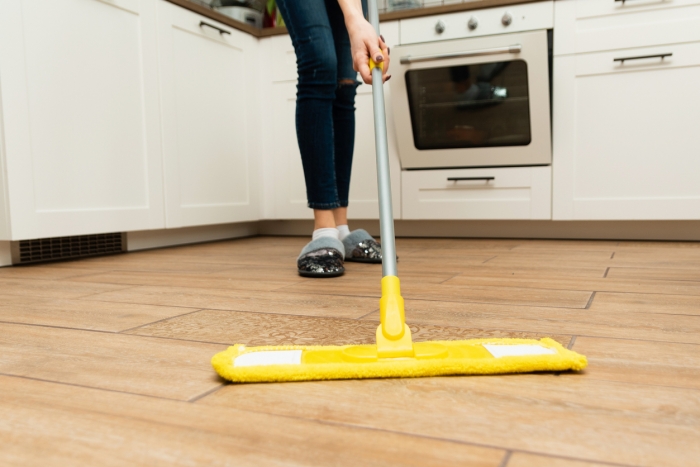
Pick a mop that fits your floor type. For tile or vinyl, a flat microfiber mop works well. It picks up dust and grime fast. For hardwood floors, use a damp mop, not soaking wet. Avoid rough mops that can scratch the surface. Consider a mop with a removable, washable head for easy cleaning.
Pick An Effective Cleaner
Choose a cleaner made for your floor material. Mild detergents work for most floors. For tough stains, use a stronger cleaner but test it first in a small spot. Avoid harsh chemicals like bleach, which can damage floors. Natural cleaners like vinegar and baking soda can be good options too.
Gather Additional Tools
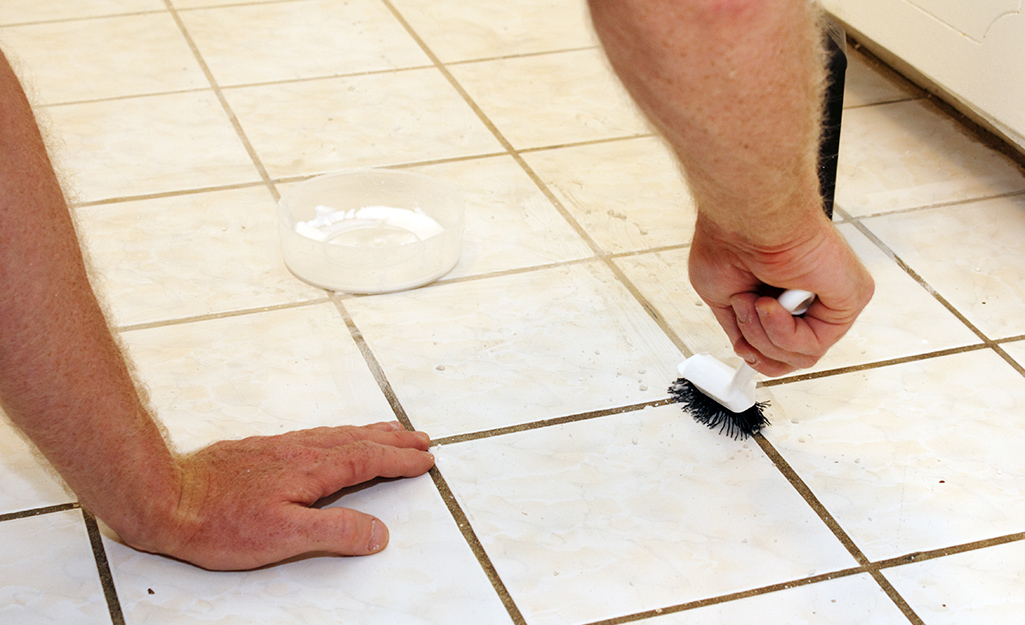
Extra tools help reach tricky spots and make cleaning easier. Keep a bucket to rinse your mop often. Use a scrub brush for corners and grout lines. A broom or vacuum removes loose dirt before mopping. Have clean cloths or paper towels to wipe spills quickly.
Prepare The Kitchen Floor
Preparing the kitchen floor is the first step before washing it. This step helps remove dirt and debris that can scratch the floor or make cleaning harder. A clean surface ensures better results when you mop or scrub the floor.
Take a few minutes to get the floor ready. This makes the washing process faster and more effective.
Clear The Floor Area
Remove all items from the floor. Move chairs, mats, and small rugs to another room. Take away any toys or objects left on the floor. Clearing the area gives you full access to every spot. It also prevents damage to your belongings during cleaning.
Sweep Or Vacuum Thoroughly
Use a broom or vacuum cleaner to remove loose dirt and crumbs. Make sure to reach under cabinets and around corners. Sweeping or vacuuming stops dirt from spreading when you mop. It also helps prevent scratches caused by small particles. Take your time to cover the entire floor evenly.
Mix Cleaning Solution
Mixing the right cleaning solution is key to washing your kitchen floor well. The solution helps remove dirt, grease, and stains without harming the floor. Choosing the proper mix keeps your floor shiny and clean. Use the right amount of cleaner and water for best results.
Follow Product Instructions
Always read the label on your cleaning product first. Each product has specific instructions on how much to use. Using too much can leave residue or damage the floor. Too little may not clean properly. Measure the cleaner and water carefully. Mixing as directed ensures safe and effective cleaning.
Use Natural Alternatives
Natural cleaners work well and are gentle on floors. Mix equal parts of water and white vinegar for a simple solution. Add a few drops of dish soap for extra cleaning power. Avoid using harsh chemicals that can strip floor finish. Natural mixtures clean well and are safe for families and pets.
Credit: www.homedepot.com
Wash The Floor Methodically
Washing the kitchen floor methodically saves time and effort. It helps clean every part evenly. This way, no spots get missed. A good plan keeps the floor spotless and fresh. Follow simple steps to clean smartly and fast.
Start From The Far Corner
Begin washing at the farthest corner from the door. This prevents stepping on the wet floor. Move slowly toward the exit as you clean. It keeps the floor dry where you walk. This order makes cleaning safe and easy.
Use Proper Mopping Technique
Use a mop with a clean, damp head. Wring out extra water to avoid puddles. Mop in small, overlapping sections for full coverage. Move the mop in a figure-eight or back-and-forth motion. Change water when it gets dirty. This method removes dirt well without spreading it.
Tackle Stubborn Stains
Stubborn stains on your kitchen floor need extra care. They do not come off with regular mopping. Treating these stains helps keep your floor clean and fresh.
Use the right methods to avoid damage while removing tough spots. Patience and the right tools make the job easier.
Apply Spot Treatment
Start by identifying the stained areas. Use a small amount of a cleaning solution made for your floor type. Apply it directly on the stain. Let it sit for 5 to 10 minutes. This loosens dirt and grime. Avoid soaking the floor to prevent damage.
Scrub Gently Without Damage
Use a soft brush or sponge to scrub the stain lightly. Do not use hard brushes or steel wool. These can scratch the floor. Move in circular motions to lift the stain. Rinse the area with clean water. Dry the floor with a soft cloth to avoid water marks.
Rinse And Dry The Floor
Rinsing and drying the kitchen floor is a key step after washing. It helps remove leftover soap and dirt. A clean rinse prevents sticky residue and keeps the floor shiny.
Drying stops water spots and avoids slippery surfaces. It also helps protect the floor from damage caused by excess moisture. Proper rinsing and drying ensure a fresh, safe kitchen floor.
Remove Residue With Clean Water
Use clean water to rinse the floor well. Pour or mop fresh water over the surface. This washes away soap and dirt left behind. Change the rinse water often to keep it clean.
Rinse until the water runs clear. Check for any slippery or sticky spots. Repeat rinsing if needed. Clean water keeps your floor safe and spotless.
Use Towels Or Fans For Fast Drying
Dry the floor quickly to avoid slips. Use dry towels or microfiber cloths to soak up water. Wipe in the direction of the floor grain for best results.
Fans help speed up drying too. Turn on a fan or open windows for air circulation. Faster drying protects your floor and makes the kitchen ready to use.
Maintain A Spotless Shine
Keeping your kitchen floor shiny and clean takes regular care. A spotless shine makes your kitchen look fresh and inviting. Small daily steps can protect your floor from stains and dirt. A clean floor also lasts longer and stays safe to walk on.
Focus on easy habits to keep dirt away. A little effort each day saves big cleaning jobs later. Let’s explore how to keep your kitchen floor shining bright.
Establish A Cleaning Routine
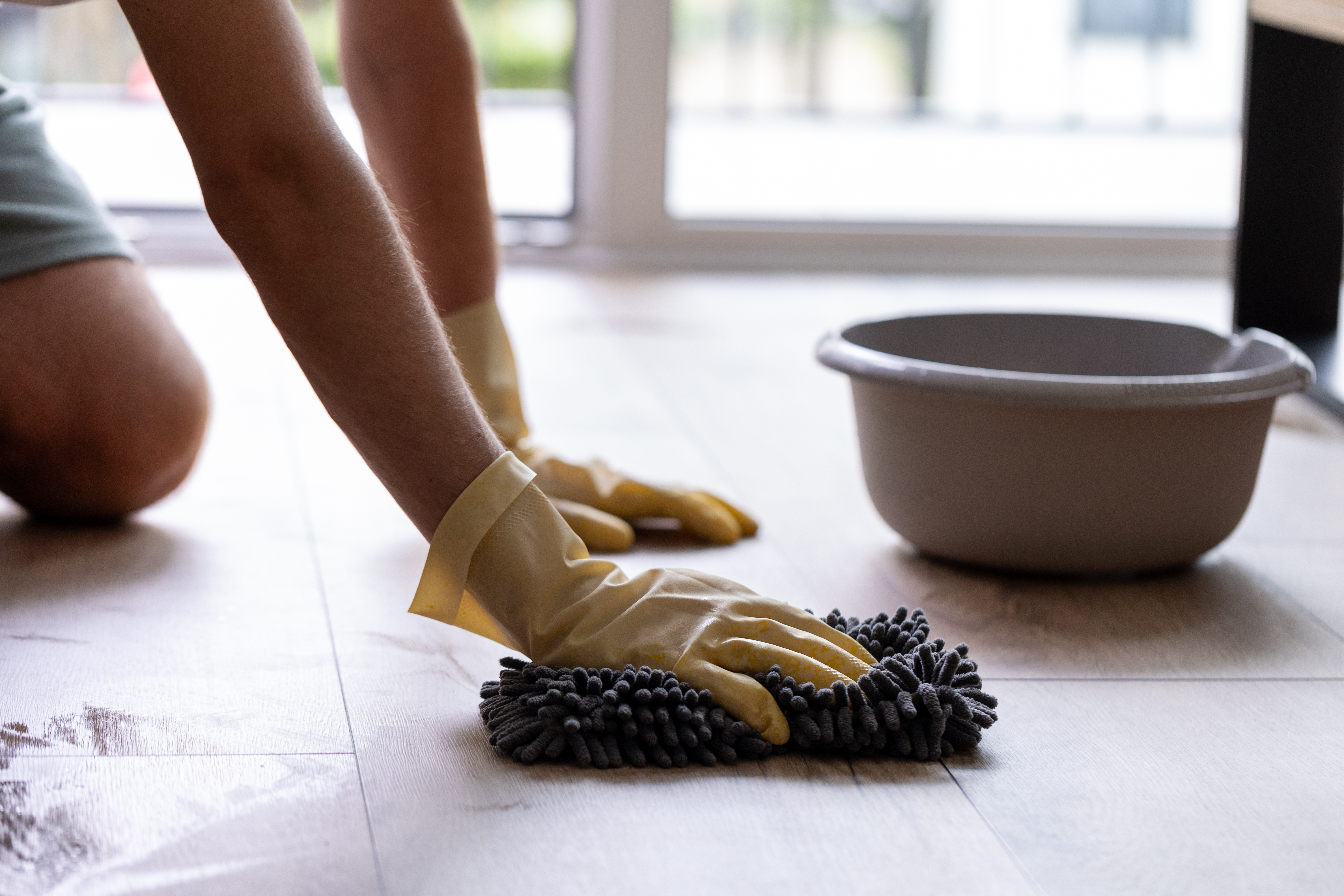
Set a simple schedule for cleaning your kitchen floor. Sweep or vacuum every day to remove crumbs and dust. Mop the floor twice a week with warm water and mild cleaner. Use a soft mop to avoid scratches. Dry the floor with a clean cloth after mopping. Consistency helps keep the floor spotless and shiny. Small, regular cleaning is better than rare deep scrubs.
Prevent Future Dirt Buildup
Stop dirt before it reaches your floor. Place mats at kitchen entrances to catch dirt. Wipe shoes before stepping inside. Clean spills immediately to prevent stains. Avoid dragging heavy furniture across the floor. Use furniture pads to protect the surface. These steps reduce grime and keep your floor looking new. Prevention saves time and effort in cleaning later.
Credit: www.thecleaningauthority.com
Credit: www.ovenclean.com
Frequently Asked Questions
How Often Should I Wash My Kitchen Floor?
You should wash your kitchen floor at least once a week. High-traffic areas may require more frequent cleaning. Regular washing prevents dirt buildup and maintains hygiene. Spot clean spills immediately to avoid stains and sticky residue.
What Is The Best Cleaner For Kitchen Floors?
Use a mild detergent or a floor cleaner designed for your floor type. Avoid harsh chemicals that can damage the finish. Natural options like vinegar and water work well on tile and vinyl. Always test cleaners on a small area first.
Can I Use A Mop Or A Cloth To Wash Floors?
Both mops and cloths are effective, depending on the floor type. Microfiber mops work well for tile and laminate floors. Cloths are good for spot cleaning and hard-to-reach corners. Avoid excessive water to prevent damage to wood floors.
Should I Sweep Before Washing The Kitchen Floor?
Yes, sweeping removes dirt and debris that can scratch the floor during washing. Use a broom or vacuum cleaner to prepare the floor. Sweeping first ensures a cleaner wash and better results. It also prevents clogging your mop with dirt.
Conclusion
Cleaning the kitchen floor keeps your home fresh and safe. Regular washing stops dirt and germs from building up. Use the right tools and cleaners for best results. Take your time and clean every corner well. A clean floor makes cooking and eating more pleasant.
Keep up this simple routine to enjoy a tidy kitchen every day.
