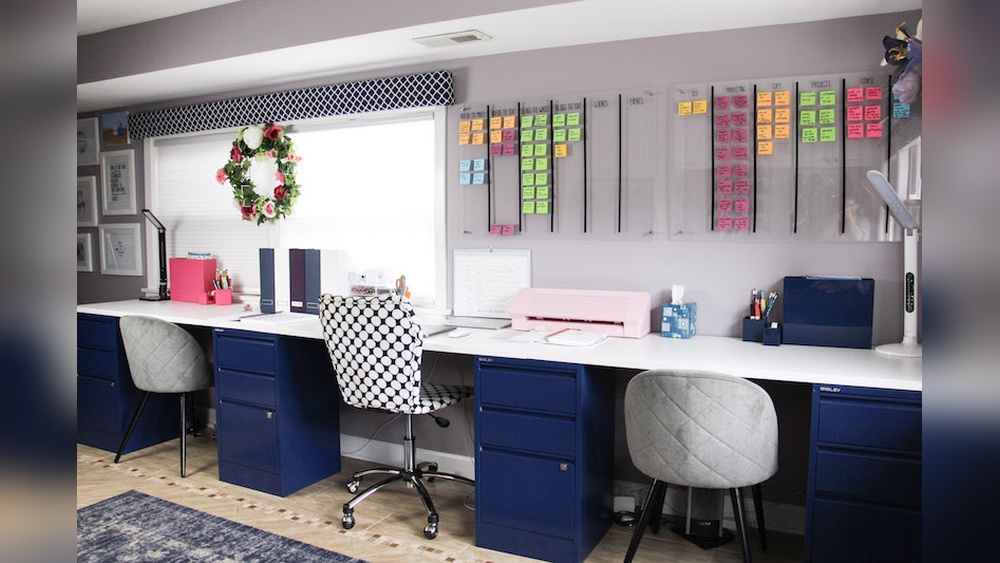
Is your office feeling cluttered and chaotic? How you arrange your office furniture can make a huge difference in your productivity and mood.
When everything has its place, you’ll find it easier to focus and get work done. You’ll discover simple, practical steps to organize your office furniture in a way that works perfectly for you. Ready to transform your workspace into a calm, efficient area?
Keep reading, you’re about to unlock the secret to a better office setup.
:strip_icc()/office-desk-detail-pink-accents-4a7v_vSj4zFBgTyToRk1V4-67c510a0e5cc4d60bc1961da70d3fefd.jpg)
Credit: www.khl-tcna.com
Choosing The Right Furniture
Choosing the right furniture is key to a well-organized office. Furniture affects how you work and feel in the space. It should fit the room, support your health, and look good. This section helps you pick pieces that match your needs and style.
Assessing Your Space
Measure the room carefully. Know the size before buying anything. Think about doors, windows, and walkways. Leave enough space to move around freely. Small offices need compact furniture. Large spaces can handle bigger pieces. Plan the layout on paper or with an app. This avoids crowding and awkward spots.
Selecting Ergonomic Pieces
Choose chairs and desks that support your body. Ergonomic furniture helps reduce pain and fatigue. Look for adjustable chairs with good back support. Desks should allow you to keep a natural posture. Standing desks are good for variety. Ergonomic pieces improve comfort and productivity. Invest in quality items for long-term health.
Balancing Style And Function
Furniture must look nice and work well. Pick colors and designs that match your brand or taste. Avoid styles that feel too busy or dull. Simple, clean lines often work best. Functionality should never be sacrificed for style. Storage options like shelves and drawers keep things tidy. Balance makes the office inviting and efficient.
Planning Your Layout
Planning your office furniture layout is the first step to a productive workspace. It helps use space well and keeps the office neat. A good plan makes the office comfortable for work and movement. Thoughtful layout supports focus and teamwork at the same time. Start by studying your office space and thinking about your needs.
Maximizing Natural Light
Place desks near windows to use natural light. Natural light boosts mood and reduces eye strain. Avoid blocking windows with tall furniture. Use light curtains to soften sunlight if it is too bright. Arrange work areas so everyone benefits from daylight. This approach saves energy and brightens the room.
Creating Zones For Different Tasks
Divide the office into zones based on work types. Have quiet zones for focused tasks like writing or reading. Set up collaboration zones for meetings and group work. Include storage zones for files and supplies. Clear zones help workers switch tasks easily. They keep the office organized and reduce distractions.
Ensuring Easy Movement
Leave enough space between furniture for walking. Wide paths prevent accidents and make the office feel open. Avoid cluttering walkways with extra chairs or boxes. Position desks and chairs so people can move freely. Easy movement helps staff feel comfortable and efficient. It also supports safety in emergencies.
Optimizing Storage Solutions
Optimizing storage solutions is key to creating a tidy and efficient office space. Proper storage helps keep your workspace clear and improves productivity. Smart storage choices save time and reduce stress.
Fitting storage into your office does not mean cluttering it. It means using space wisely. Small changes can make a big difference.
Using Vertical Space
Vertical space offers a great chance to increase storage. Tall shelves or wall-mounted cabinets keep items off desks. This frees up work areas for important tasks. Use hooks or pegboards to hang tools and supplies. Vertical storage keeps floors clear and rooms open.
Incorporating Multi-functional Furniture
Multi-functional furniture helps save space and adds value. Desks with built-in drawers or shelves hold files and supplies. Storage ottomans or benches can hide clutter and provide seating. Choose furniture that serves more than one purpose. This cuts down on extra pieces and keeps rooms neat.
Decluttering Tips
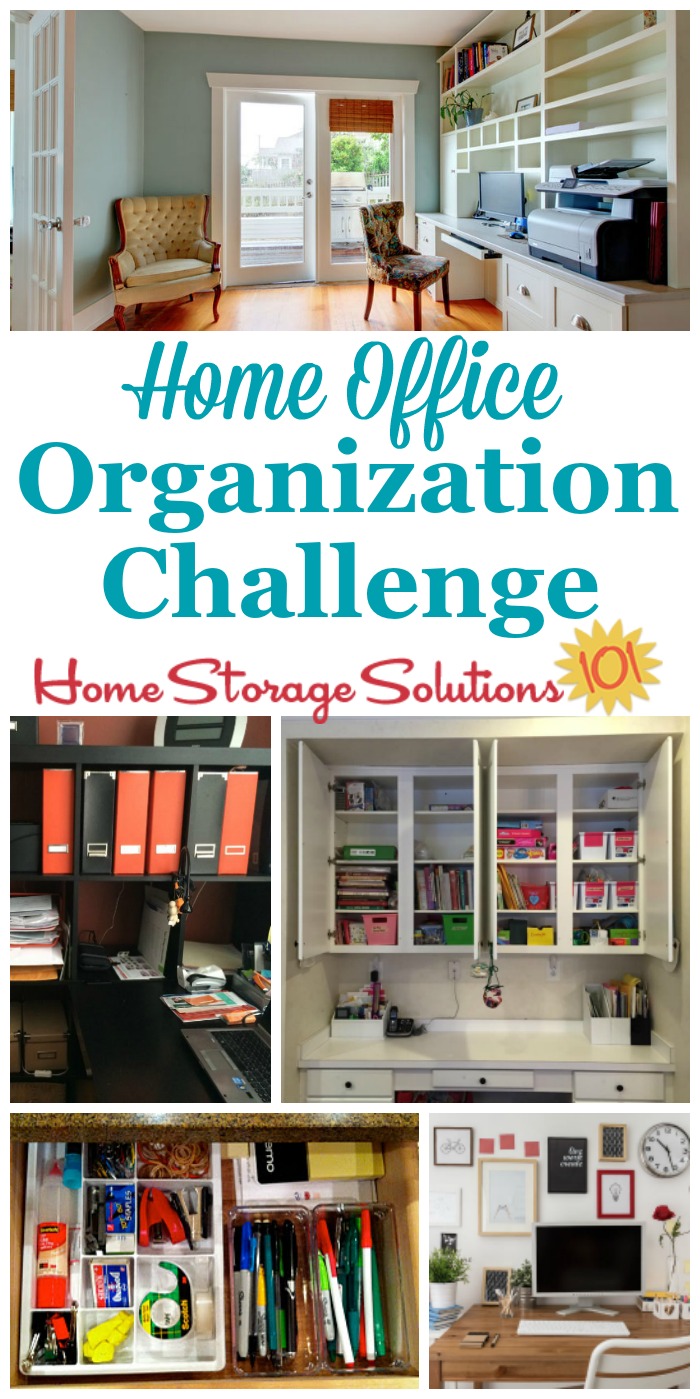
Decluttering is essential for good storage. Sort items regularly and remove what you do not need. Use labeled bins to organize papers and small tools. Keep only daily essentials on your desk. Clear spaces make it easier to find things and focus on work.
Credit: www.home-storage-solutions-101.com
Enhancing Comfort And Productivity
Comfort and productivity go hand in hand in any office setup. Arranging furniture to support both can improve work quality and well-being. Small changes can make a big difference in how employees feel and perform.
Choosing Comfortable Seating
Select chairs that support the back and encourage good posture. Look for adjustable features to fit different body types. Comfortable seating reduces fatigue and helps maintain focus during long work hours.
Adjusting Desk Heights
Desks should match the user’s height for proper ergonomics. Adjustable desks allow sitting or standing positions. Correct desk height prevents strain on the neck, shoulders, and wrists.
Incorporating Break Areas
Break areas offer a place to relax and recharge. Simple seating and calming decor create a peaceful spot. Regular breaks in a comfortable area increase overall productivity and reduce stress.
Maintaining An Organized Office
Keeping an office tidy takes ongoing effort. Organized furniture supports a smooth workflow. It helps reduce stress and saves time. A well-kept office feels welcoming and professional.
Establishing Daily Habits
Start each day by straightening desks and chairs. Put items back in their places after use. Wipe surfaces to avoid dust and dirt buildup. Small actions prevent clutter from growing fast.
Regularly Reviewing Layout
Check the furniture arrangement every few months. Look for areas that block movement or light. Adjust desks and shelves to improve comfort and space. This keeps the office functional and fresh.
Adapting To Changing Needs
Listen to your team’s feedback about the workspace. Add or remove furniture based on daily tasks. Move items to support new projects or roles. Flexibility helps maintain a practical office setup.

Credit: www.thedecorfix.com
Frequently Asked Questions
How Do I Plan Office Furniture Layout Efficiently?
Start by measuring your office space precisely. Prioritize high-traffic areas for easy movement. Use software tools to visualize layouts. Balance between collaboration zones and private spaces. Always consider natural light and power outlets placement.
What Are The Best Tips For Organizing Office Desks?
Keep desks clutter-free by limiting items. Use trays and organizers for supplies. Position desks near windows for natural light. Encourage personal yet minimal décor. Regularly clean and declutter to maintain order.
How Can I Maximize Small Office Furniture Space?
Choose multi-functional furniture like storage desks. Use vertical space with shelves and cabinets. Arrange furniture to create open pathways. Opt for compact, modular pieces. Declutter regularly to keep space usable.
What Furniture Materials Are Best For Office Use?
Select durable materials like wood, metal, and laminate. Consider ergonomic designs for comfort. Choose easy-to-clean surfaces to maintain hygiene. Prioritize materials that match office aesthetics. Invest in quality to ensure long-term use.
Conclusion
Organizing office furniture helps create a clean and productive space. Clear pathways make moving around easier and safer. Group similar items to save space and stay neat. Keep frequently used furniture within reach for convenience. A well-arranged office supports focus and teamwork.
Small changes can improve comfort and efficiency. Take time to plan before moving furniture. A tidy office feels welcoming and professional. Start organizing today to enjoy a better workspace.
