
Choosing the right blender can feel overwhelming. Walk through any kitchen appliance aisle or browse online, and you’ll see dozens of models with different shapes, prices, and features. If you’ve ever wondered which blender fits your needs, you’re not alone.
Many people buy the wrong blender because they don’t know what to look for. You might end up with a machine that’s too weak for smoothies, too big for your kitchen, or too noisy for comfort.
This guide is here to help. Whether you want to blend fruits, crush ice, make nut butter, or prep soup, the right blender can make your kitchen tasks easier and faster. You’ll learn how to compare key features, what really matters for different uses, and how to avoid common mistakes.
We’ll also share some facts and insights most beginners miss, so you can feel confident in your choice.
Understanding Your Blender Needs
Before you start comparing blenders, think about how you’ll use it. Your needs decide which features are important. Here are some common uses:
- Smoothies: You need strong blades and good power to crush ice and frozen fruit.
- Soups and sauces: A blender that can handle hot liquids and blend them smoothly.
- Nut butters: High power and sturdy construction help blend tough ingredients.
- Small batches: Compact blenders are better if you only make small servings.
- Meal prep: Large capacity models help with big batches.
Ask yourself these questions:
- How often will I use the blender?
- What types of food will I blend most?
- How much space do I have in my kitchen?
- Do I need special features like pulse, variable speed, or self-cleaning?
Knowing your needs is the first step. For example, if you only make smoothies sometimes, you may not need a high-end model. But if you want to blend nuts or make creamy soups often, you’ll need more power and durability.
Types Of Blenders
Blenders come in different styles. Each type suits specific tasks and kitchen sizes.
Countertop Blenders
These are the classic, full-size blenders. They usually have a large jar, multiple speed settings, and can handle most blending tasks.
- Best for: Smoothies, soups, ice crushing, meal prep.
- Capacity: 48 to 72 ounces is common.
Personal Blenders
Also called single-serve blenders, these are smaller and designed for quick, easy blending. The jar often doubles as a travel cup.
- Best for: Smoothies, protein shakes, small portions.
- Capacity: 12 to 24 ounces.
Immersion Blenders
Also known as stick blenders, these are handheld and used directly in pots or bowls. They’re ideal for soups and sauces.
- Best for: Hot soups, purees, sauces.
- Capacity: Not defined by jar size, blends directly in container.
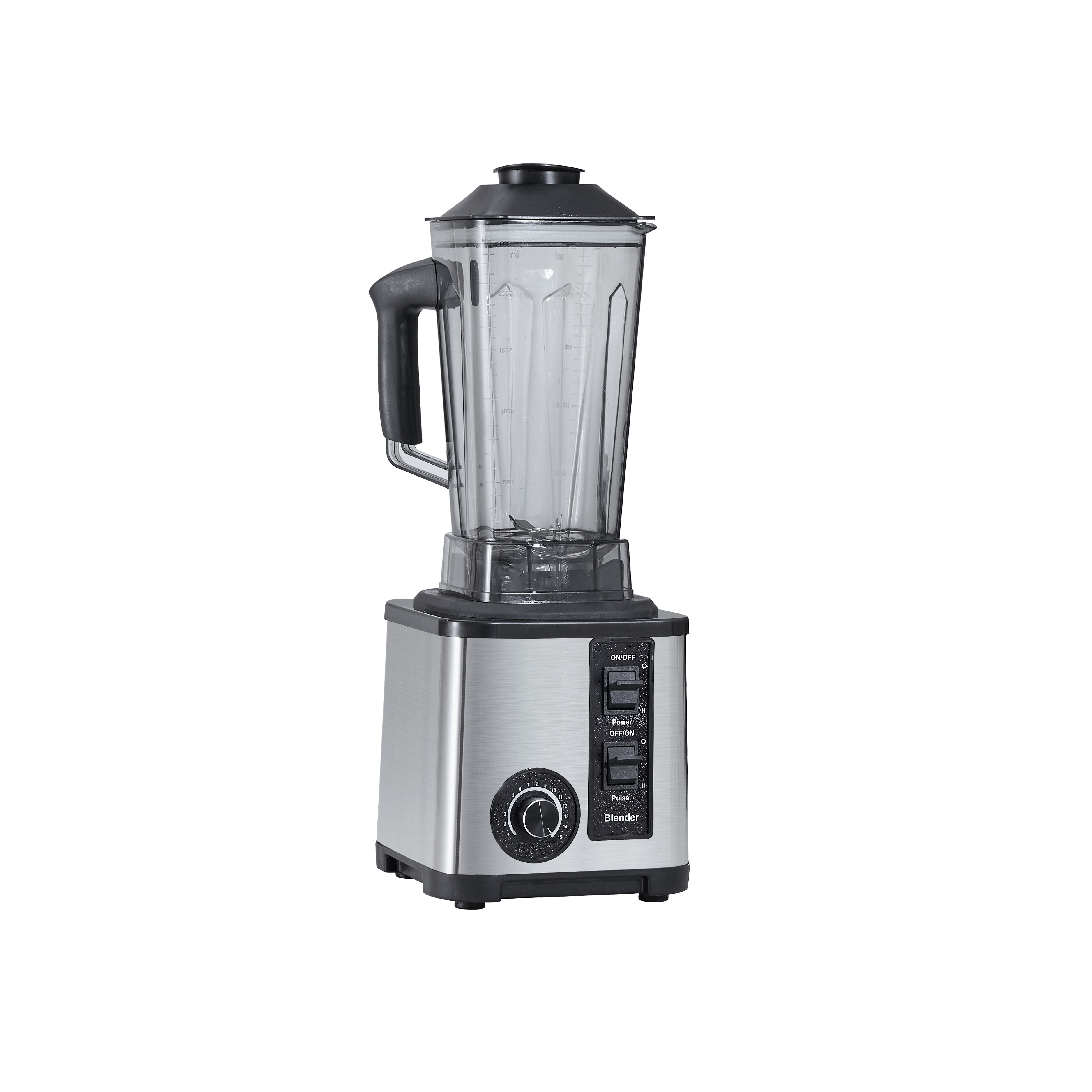
High-performance Blenders
These are powerful machines, often used by professionals. They blend tough ingredients and can even make nut butter or dough.
- Best for: Nut butters, frozen desserts, heavy-duty blending.
- Capacity: Usually 64 to 72 ounces.
Comparison Of Blender Types
Here’s a quick comparison to help visualize the differences:
| Type | Power (Watts) | Capacity | Best For | Average Price |
|---|---|---|---|---|
| Countertop | 500-1200 | 48-72 oz | General use | $50-$250 |
| Personal | 200-600 | 12-24 oz | Single serve | $25-$100 |
| Immersion | 100-300 | Varies | Soups, sauces | $30-$150 |
| High-Performance | 1200-1500+ | 64-72 oz | Tough blends | $300-$700 |
Key Blender Features Explained
Not all blenders are equal. Some features matter more than others, depending on your needs. Let’s break them down.
Motor Power
Measured in watts, motor power affects how well the blender can crush ice, nuts, and tough ingredients. For smoothies and ice, aim for at least 500 watts. For nut butters or frozen desserts, look for 1000 watts or more.
Non-obvious insight: High wattage doesn’t always mean better performance. Blade design and jar shape also affect blending results.
Blade Quality And Design
Blades are usually stainless steel. Good blenders have sharp, durable blades that resist bending or dulling. Some blade shapes are better suited for specific tasks. Wide blades are effective for chopping, while angled blades help create smoother blends.
Jar Material And Size
Blender jars come in plastic, glass, or stainless steel. Plastic is light and cheap but can scratch and absorb odors. Glass is heavier and won’t absorb smells but can break. Stainless steel is durable but you can’t see inside.
- Size matters: Bigger jars are good for families or meal prep. Smaller jars fit single servings and save space.
Speed Settings And Controls
More speed settings give you better control. Basic blenders may have just two speeds; advanced ones offer variable speed, pulse, and pre-set programs.
Practical tip: Pulse function helps chop ingredients without over-blending.
Noise Level
Powerful blenders can be loud. If you blend early mornings or late nights, look for quieter models or sound shields.
Ease Of Cleaning
Dishwasher-safe jars and removable blades make cleaning easier. Some blenders include a self-cleaning function. Simply add water and a small amount of soap, run the blender for about a minute, and then rinse it clean
Safety Features
Locking lids, non-slip bases, and automatic shut-off are important, especially if you have children. Some high-end blenders won’t run unless the jar is locked in place.
Warranty And Durability
Check the warranty length before buying. While a one-year warranty is common, some brands offer coverage for up to 7 years. Longer warranties often mean better build quality.
Blender Performance: What Really Matters
Many buyers focus only on power or price. But there are other factors that affect performance and satisfaction.
Consistency
A good blender creates a smooth, even texture. Cheaper blenders often leave chunks or fail to blend harder ingredients. Try to test a blender before buying, or read reviews about its blending consistency.
Versatility
Some blenders can chop, puree, crush, and mix. Others do only one thing well. If you want a machine that can handle many tasks, look for models with multiple functions or attachments.
Durability
Heavy-duty blenders last longer. Stainless steel blades and strong motors resist wear. If you blend daily, invest in durability.
Common Mistakes
- Buying too cheap: Low-cost blenders may break quickly or struggle with tough ingredients.
- Ignoring size: Large blenders take up space; small ones may not handle big batches.
- Skipping reviews: User reviews reveal real-world problems, like leaking jars or overheating.
- Overlooking cleaning: Complicated blenders are hard to clean, leading to less use.
Comparing Popular Blender Brands
Top brands offer different strengths. Here’s a look at three well-known names:
| Brand | Typical Power | Warranty | Unique Feature | Average Price |
|---|---|---|---|---|
| Vitamix | 1200-1500W | 5-7 years | Variable speed, self-cleaning | $350-$700 |
| Ninja | 900-1200W | 1-2 years | Multiple blade options | $80-$200 |
| NutriBullet | 600-1200W | 1 year | Compact, single-serve | $50-$120 |
Non-obvious insight: Some high-end brands offer free replacement parts during the warranty period. This can save money if you blend often.
Budget Considerations
Blenders range from $25 to $700 or more. Price depends on power, features, and brand. Decide your budget before shopping.
What You Get At Each Price Level
- Under $50: Basic personal blenders. Good for soft ingredients, not for ice or nuts.
- $50–$150: Mid-range models. Suitable for smoothies, occasional soups. May struggle with tough blends.
- $150–$350: Advanced countertop blenders. Handle ice, nuts, and hot soups. Durable, with multiple speeds.
- $350+: High-performance blenders. Professional quality, long warranty, extra features.
Is Expensive Always Better?
Not always. If you only blend soft fruits, a basic blender is fine. But if you want versatility and durability, paying more can save money over time.
Space And Storage
Think about where you’ll keep the blender. Large models need counter space; small ones fit in cupboards.
Tip: If you have a small kitchen, look for a blender with a compact base or detachable jar. Immersion blenders take up very little space.
Real-world Examples
Let’s look at some real scenarios:
- Maria wants to make daily green smoothies. She chooses a high-powered personal blender with a travel cup for quick blending and easy cleanup.
- Jason cooks for his family. He buys a countertop blender with a 64-ounce jar, strong motor, and variable speed for soups and sauces.
- Kim loves nut butters and frozen desserts. She invests in a high-performance blender with durable blades and a long warranty.
These examples show how different needs lead to different choices.
Advanced Features And Technology
Modern blenders come with technology that makes blending smarter and easier.
Pre-set Programs
Some blenders offer programs for smoothies, soups, ice crushing, or cleaning. Just press the button and the blender adjusts speed and time automatically.
Digital Controls
Touch screens or digital timers make operation simple. You can see blending time, speed, and program status.
Smart Sensors
A few high-end blenders detect jar size, load, or temperature. They adjust blending to avoid overheating or ensure smooth results.
Wireless Connectivity
Rare but growing, some blenders connect to apps for recipes or control. This is useful if you want guidance or remote operation.
Practical tip: Don’t pay extra for features you won’t use. Focus on functions that fit your routine.
How To Test A Blender Before Buying
If possible, test the blender in-store or watch video reviews.
- Check how it handles ice or tough ingredients.
- Listen for noise level.
- See how easy it is to assemble, use, and clean.
- Look for leaks or difficulty locking the jar.
Testing helps spot hidden weaknesses, like poor sealing or weak blades.
Blender Maintenance Tips
Keep your blender in good shape with these steps:
- Clean after each use. Rinse the jar, wipe the base, and check for stuck food.
- Use the self-cleaning function if available.
- Don’t overload the jar. Too much food can strain the motor.
- Inspect blades for dullness. Replace if needed.
- Store with the lid off to avoid odors.
Regular care helps your blender last longer.
Environmental Impact
Blenders use electricity and materials. To reduce impact:
- Choose energy-efficient models (look for ENERGY STAR label).
- Pick durable blenders that won’t need frequent replacement.
- Recycle old blenders if possible.
Some brands offer recycling programs for their products.
Buying Online Vs. In-store
Online shopping gives access to more models and reviews. In-store lets you see the blender, ask questions, and test.
Online
- Read user reviews for real experiences.
- Check return policy and warranty.
- Compare prices easily.
In-store
- See size and build quality.
- Test controls and noise.
- Get advice from staff.
Non-obvious insight: Some online sellers offer exclusive bundles or extended warranties not found in stores.
Summary Table: Choosing The Right Blender
Here’s a simple guide to help match your needs:
| Need | Recommended Type | Key Feature | Budget Range |
|---|---|---|---|
| Daily smoothies | Personal/Countertop | Strong motor, travel cup | $50-$150 |
| Family meal prep | Countertop | Large jar, variable speed | $150-$350 |
| Nut butter/ice crushing | High-performance | Heavy-duty blades | $350+ |
| Small kitchen | Immersion/Personal | Compact size | $25-$100 |
| Hot soups | Immersion/Countertop | Heat-safe jar | $30-$250 |
Top Things Beginners Miss
- Blade design matters as much as motor power. A well-designed blade can blend better than a powerful motor with poor blades.
- Jar shape affects blending. Wide jars allow better circulation, leading to smoother blends.
- Warranty is a sign of quality. Brands with longer warranties often use better parts.
Where To Find Trusted Reviews
Reading trusted reviews helps avoid bad purchases. Sites like Consumer Reports, Wirecutter, and manufacturer websites offer detailed tests and comparisons. For more information on blender types and features, visit Wikipedia.
Frequently Asked Questions
What Is The Best Blender For Smoothies?
The best blender for smoothies is one with at least 500 watts of power, sharp blades, and a jar big enough for your servings. Personal blenders work well for single smoothies, while countertop models suit families.
Can Blenders Crush Ice?
Yes, but not all blenders can do it well. Look for models with 700 watts or more and blades designed for ice crushing. Some cheaper blenders may struggle or break.
How Do I Clean A Blender?
Most blender jars are dishwasher-safe. If not, rinse right after use. For deep cleaning, fill the jar with warm water and a drop of soap, then blend for 30 seconds and rinse.
Are Glass Jars Better Than Plastic?
Glass jars are heavier and more durable. They don’t absorb odors or scratch easily. Plastic jars are lighter but can stain, absorb smells, and crack over time.
How Long Do Blenders Usually Last?
With regular use and care, a good blender lasts 5–10 years. High-performance models with strong motors and long warranties often last longer.
Choosing the right blender doesn’t have to be confusing. When you know your needs and understand the features, you can find a model that fits your kitchen and your budget. Spend time comparing, read trusted reviews, and don’t rush your decision.
The right blender will make cooking easier and help you enjoy healthier meals every day.
