
Choosing the right refrigerator is more than picking a box that keeps food cold. It’s about finding a device that fits your kitchen, saves energy, and supports your lifestyle. With hundreds of models, confusing features, and price differences, making a good choice can be tricky.
This article will guide you through everything you need to know, from types and sizes to smart features, so you can confidently select the best refrigerator for your home.
Understanding Refrigerator Types
Before looking at brands or features, it’s important to know the main types of refrigerators. Each type serves a different purpose and suits different kitchens.
Top Freezer
The top freezer refrigerator is a classic style. The freezer is above the fridge compartment. This type is usually affordable and reliable.
- Average width: 28–33 inches
- Capacity: 14–20 cubic feet
- Price range: $400–$1,200
Top freezers are good for small kitchens and people who don’t need fancy features.
Bottom Freezer
Here, the freezer is below the fridge. It’s easier to access fresh food, which is at eye level.
- Average width: 29–33 inches
- Capacity: 18–22 cubic feet
- Price range: $900–$2,000
Bottom freezers often have sliding baskets, making frozen food easier to organize.
Side-by-side
This style splits the fridge and freezer vertically. Both doors open side-by-side.
- Average width: 32–36 inches
- Capacity: 22–26 cubic feet
- Price range: $1,200–$3,000
Side-by-side models are ideal for narrow kitchens, but the freezer section is sometimes too slim for bulky items.
French Door
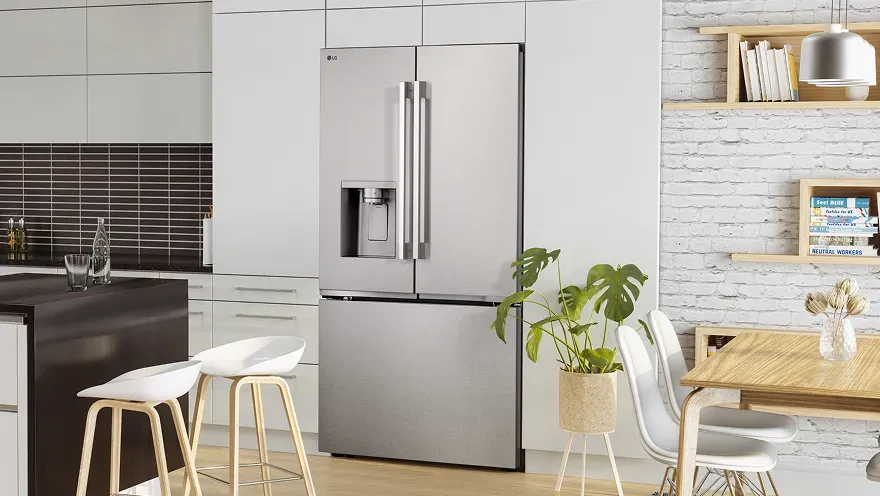
French door refrigerators have two doors for the fridge on top, with a freezer drawer below.
- Average width: 29–36 inches
- Capacity: 18–28 cubic feet
- Price range: $1,600–$4,000
These are popular for their modern design and wide storage space.
Compact & Specialty Models
- Compact refrigerators: For dorms or offices, usually under 10 cubic feet.
- Wine fridges: Designed for bottles, not general food.
- Mini fridges: Useful for drinks and snacks.
Each style has unique strengths. Think about your kitchen layout and how you use your fridge daily.
Sizing: What Fits Your Kitchen?
One common mistake is choosing a refrigerator that doesn’t fit the kitchen space. Measuring carefully is key.
- Measure the space: Height, width, depth, and door clearance.
- Leave room for ventilation: At least 1 inch above and behind.
- Check door swing: Make sure doors can open fully without hitting walls or cabinets.
- Consider delivery paths: Will the fridge fit through doorways and halls?
Standard Refrigerator Sizes
Here’s a quick size comparison:
| Type | Width (inches) | Depth (inches) | Height (inches) | Capacity (cu ft) |
|---|---|---|---|---|
| Top Freezer | 28–33 | 28–34 | 61–69 | 14–20 |
| Bottom Freezer | 29–33 | 29–33 | 67–70 | 18–22 |
| Side-by-Side | 32–36 | 30–34 | 66–70 | 22–26 |
| French Door | 29–36 | 29–34 | 68–70 | 18–28 |
A non-obvious tip: measure from the wall to any counters or islands in front of where the refrigerator will go. Many people overlook this, leading to doors not opening fully.
Credit: maxima.com
Capacity: How Much Storage Do You Need?
Capacity is measured in cubic feet. Bigger isn’t always better; it depends on your family size and eating habits.
- Single or couple: 14–18 cubic feet
- Family of four: 18–22 cubic feet
- Larger families: 22+ cubic feet
If you cook often, buy in bulk, or freeze meals, you’ll need more space. If you eat out or shop daily, a smaller fridge may be enough.
Fridge Vs Freezer Ratio
Some models give more space to the refrigerator, others to the freezer. Think about what you store more.
| Type | Fridge Space (%) | Freezer Space (%) |
|---|---|---|
| Top Freezer | 66 | 34 |
| Side-by-Side | 54 | 46 |
| French Door | 75 | 25 |
If you freeze a lot of food, consider a side-by-side or a larger freezer compartment. If fresh food is more important, French door or bottom freezer styles are best.
Energy Efficiency: Save Money And The Environment
Refrigerators run 24/7, so efficiency matters. Look for the ENERGY STAR label. It means the fridge uses at least 15% less energy than standard models.
- Average annual energy use: 400–800 kWh
- Estimated cost per year: $50–$90
Modern fridges often have better insulation, LED lighting, and variable-speed compressors. These features help lower bills and reduce your carbon footprint.
A helpful trick: compare the EnergyGuide labels, which show estimated yearly cost. Sometimes, a more expensive fridge can save money over time due to lower energy use.
Features: Which Extras Are Worth It?
Manufacturers add many features to attract buyers. Some are useful, others are just marketing. Here are the most common:
Adjustable Shelves
Movable shelves let you fit tall bottles or large pots. Look for spill-proof glass shelves, which stop leaks from spreading.
Water And Ice Dispensers
Dispensers are handy but add cost and maintenance. Models with inside dispensers use less space. External dispensers can leak or break, so check reviews.
Smart Technology
Some refrigerators connect to Wi-Fi and can:
- Show contents on a screen
- Send alerts if the door is open
- Control temperature remotely
While impressive, these features can be expensive and are not essential for everyone.
Temperature Zones
Some models have separate temperature controls for different sections. This helps keep fruits, veggies, and meats fresh longer.
Door-in-door And Drawers
Extra compartments let you grab snacks without opening the main door. Useful for families with kids.
Air Filtration
Filters remove odors and bacteria. This is a plus if you store strong-smelling foods.
Led Lighting
Brighter, energy-saving, and long-lasting compared to old bulbs.
Frost-free Freezer
No need to defrost manually. Almost all new models have this.
Not every feature is necessary. Think about your routine and choose what fits your needs.
Style And Finish: Match Your Kitchen
Refrigerators come in many finishes:
- Stainless steel: Modern, easy to clean, but shows fingerprints
- Black stainless: Trendy, less visible smudges
- White or black: Classic, usually cheaper
- Custom panels: Can match cabinets for a seamless look
Some finishes are magnetic (good for notes and photos), others are not. Stainless steel is durable but may need frequent wiping.
For a consistent kitchen look, match the refrigerator’s handles and color with other appliances.
Price: What To Expect And How To Budget
Refrigerators vary greatly in price:
- Basic top freezer: $400–$1,200
- Bottom freezer: $900–$2,000
- Side-by-side: $1,200–$3,000
- French door: $1,600–$4,000
- Compact: $100–$500
High-end models can go over $7,000 but often add features you may never use.
Tips For Saving Money
- Shop during holiday sales (Black Friday, Memorial Day).
- Consider last year’s models. They’re often discounted and still reliable.
- Avoid paying extra for unnecessary features.
- Check for rebates on ENERGY STAR models.
A common mistake: buying the cheapest model without considering energy use. Over time, a slightly more expensive, efficient fridge can save hundreds in electricity costs.
Reliability And Brand Reputation
Some brands are known for long-lasting refrigerators, others for frequent repairs. Researching reliability before buying is smart.
- Whirlpool, GE, and Frigidaire often score high in durability.
- Luxury brands like Sub-Zero and KitchenAid offer premium features but cost more.
Check consumer reviews and independent ratings. Many buyers overlook warranty length, but it can protect your investment.
Warranty Coverage
Most refrigerators have a 1-year parts and labor warranty. Compressors may have 5–10 years coverage. Always read the warranty details.
Credit: www.brothersmain.com
Installation And Maintenance
Getting your refrigerator home and keeping it running well are important steps.
Delivery And Setup
- Ask if delivery includes installation and removal of old appliances.
- Make sure the fridge is leveled. Uneven placement can cause cooling issues.
Maintenance Tips
- Clean coils (usually at the back or bottom) every 6–12 months.
- Change water filters every 6 months if you have a dispenser.
- Wipe seals to keep doors closing tightly.
Neglecting these steps can shorten the life of your refrigerator.
Smart Refrigerators: Are They Worth It?
Smart refrigerators are becoming popular. They connect to your phone, track food, and even play music.
Pros
- Can monitor temperature from anywhere.
- Some have cameras inside.
- Helpful reminders for food expiry.
Cons
- More expensive ($2,500+)
- Repairs can be tricky
- Technology can become outdated
If you love gadgets and have a smart home, these features may be useful. Otherwise, a traditional model is usually enough.
Comparing Popular Models
To help you visualize differences, here’s a comparison of three well-known refrigerators:
| Model | Type | Capacity (cu ft) | ENERGY STAR | Features | Price |
|---|---|---|---|---|---|
| Whirlpool WRT311FZDW | Top Freezer | 20 | Yes | Adjustable shelves, humidity drawers | $800 |
| GE GSS25GSHSS | Side-by-Side | 25 | Yes | Ice/water dispenser, LED lighting | $1,500 |
| LG LFXS28968S | French Door | 28 | Yes | Smart features, door-in-door, air filter | $2,900 |
If you want more detailed specs, the official ENERGY STAR website lists performance data for many models.
Non-obvious Insights For Refrigerator Shopping
- Door swing direction can impact kitchen usability. Some models let you reverse the door, others don’t. Always check before buying.
- Noise level matters, especially in open-plan homes. Newer models are quieter, but some with ice makers or compressors can be loud. Ask for decibel ratings or read reviews.
- Climate class: Some refrigerators perform poorly in very hot or cold rooms. If your fridge is in a garage or basement, check its climate class rating.
These details are often missed by first-time buyers but can make a big difference in daily use.

Credit: www.atlanticse.com
Mistakes To Avoid
- Choosing style over function. Modern looks are nice, but practical layout matters more.
- Forgetting to measure kitchen space and delivery paths.
- Ignoring energy efficiency.
- Overpaying for features you won’t use.
Frequently Asked Questions
What Is The Ideal Temperature For A Refrigerator And Freezer?
Keep your refrigerator at 37°F (3°C) and your freezer at 0°F (-18°C). This keeps food safe and fresh. Many modern fridges have digital controls for easy adjustment.
How Long Does A Refrigerator Usually Last?
Most refrigerators last 10–15 years. Quality brands and regular maintenance can extend lifespan. If your fridge needs frequent repairs, it may be time to replace it.
Are Expensive Refrigerators Always Better?
Not always. Price can reflect added features or brand reputation, but basic models often perform well. Focus on reliability, energy efficiency, and necessary features rather than price alone.
What Is The Difference Between Frost-free And Manual Defrost?
Frost-free refrigerators automatically prevent ice buildup, saving you time and effort. Manual defrost requires you to turn off and clean the freezer periodically. Nearly all new refrigerators are frost-free.
How Do I Dispose Of An Old Refrigerator?
Many retailers offer removal services with delivery. You can also check local recycling centers. Old fridges contain harmful chemicals, so proper disposal is important. See the EPA’s guidelines for safe disposal.
Final Thoughts
Choosing the right refrigerator is a balance between space, features, efficiency, and budget. Start by measuring your kitchen and thinking about your daily habits. Look for models with proven reliability and energy savings. Don’t get distracted by unnecessary extras. Check warranties and read reviews to avoid surprises.
With careful planning, your new refrigerator will keep food fresh, save money, and fit perfectly in your kitchen for years to come.
