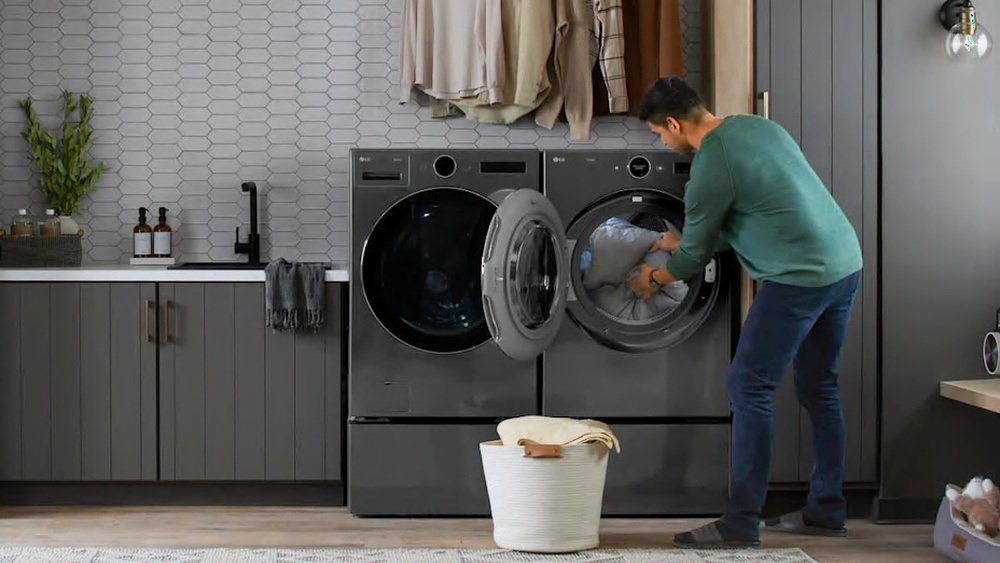
Choosing the right clothes dryer can feel overwhelming. There are dozens of brands, many features, and different types. But making a smart choice matters. The dryer you pick will affect your energy bills, how fast you do laundry, and even how long your clothes last.
Whether you are replacing an old model or buying your first dryer, knowing what to look for makes all the difference.
Most people focus only on price or size. Yet dryers are packed with technology and options that can change your daily routine. Some models help you save money, others protect delicate fabrics, and a few are designed to work quietly for apartment living.
In this guide, you’ll learn how to choose the best dryer for your home using clear explanations, practical advice, and real examples. You’ll also see comparison tables that make it easier to spot the differences. Let’s find the right dryer for your needs.
Dryer Types Explained
The first step is to understand the basic types of dryers. Each has its own advantages and is suitable for different homes and lifestyles.
Vented Dryers
Vented dryers are the most common and usually the cheapest. They work by blowing hot air through clothes and then venting the moist air outside. These dryers need a duct or hose, so you must install them near an outside wall or window.
- Pros: Low price, simple design, quick drying.
- Cons: Needs a vent, not energy efficient, can’t be used in all locations.
Condenser Dryers
Condenser dryers collect moisture from clothes and store it in a container. You don’t need to vent them outside, so they can be placed almost anywhere.
- Pros: Flexible placement, easier installation.
- Cons: Higher price, slower drying, needs regular emptying of the water container.
Heat Pump Dryers
Heat pump dryers are the most advanced. They recycle hot air, making them much more energy-efficient. These are good for saving money over time but cost more upfront.
- Pros: Very energy-efficient, gentle on clothes, lower running cost.
- Cons: Higher initial price, slower drying, sometimes needs maintenance.
Gas Dryers
Gas dryers use natural gas to heat the air. They dry clothes faster and cost less to run, but you must have a gas line.
- Pros: Fast drying, lower running costs.
- Cons: Needs gas hookup, higher installation cost, less common.
Quick Comparison: Dryer Types
Here’s a clear side-by-side view to help you:
| Dryer Type | Price | Energy Use | Placement | Speed |
|---|---|---|---|---|
| Vented | Low | High | Needs vent | Fast |
| Condenser | Medium | Medium | Flexible | Medium |
| Heat Pump | High | Low | Flexible | Slow |
| Gas | Medium | Low | Needs gas | Fast |
Key Features To Consider
Once you know the type, look at the features. Some features make your life easier; others help you save money or protect your clothes.
Capacity
Dryer size is measured in cubic feet or kilograms. A typical family needs a dryer with 7–8 cubic feet. For singles or couples, 4–6 cubic feet may be enough. Oversized dryers waste energy if not used fully.
- Tip: Match dryer capacity to your washing machine. If your washer is large, pick a dryer that can handle a similar load.
Energy Efficiency
Look for the Energy Star label. Energy-efficient dryers use less electricity, which can save you hundreds of dollars over the years. Heat pump dryers are usually the most efficient.
- Non-obvious insight: Even vented and condenser dryers now offer energy-saving modes. Don’t assume only new types are efficient.
Drying Programs
Most dryers offer programs like “Delicate,” “Heavy Duty,” or “Quick Dry.” More programs can help you dry different fabrics safely.
- Tip: If you dry a lot of sportswear, look for a special “Activewear” setting. This protects elastic and synthetic fabrics.
Sensor Drying
Sensor drying uses moisture sensors to stop the cycle when clothes are dry. This protects clothes from over-drying and saves energy.
- Beginner mistake: Ignoring this feature means you risk shrinking clothes or wasting electricity.
Noise Level
Some dryers are noisy, which can be a problem in apartments. Look for models labeled “quiet” or with a noise rating under 60 decibels.
Reverse Tumble
Reverse tumble means the drum turns both ways. This prevents clothes from tangling and speeds up drying.
Steam Function
Some dryers offer a steam cycle. This can remove wrinkles or refresh clothes without washing them.
- Non-obvious insight: Steam is useful for allergy sufferers. It kills dust mites and bacteria.
Wi-fi And Smart Features
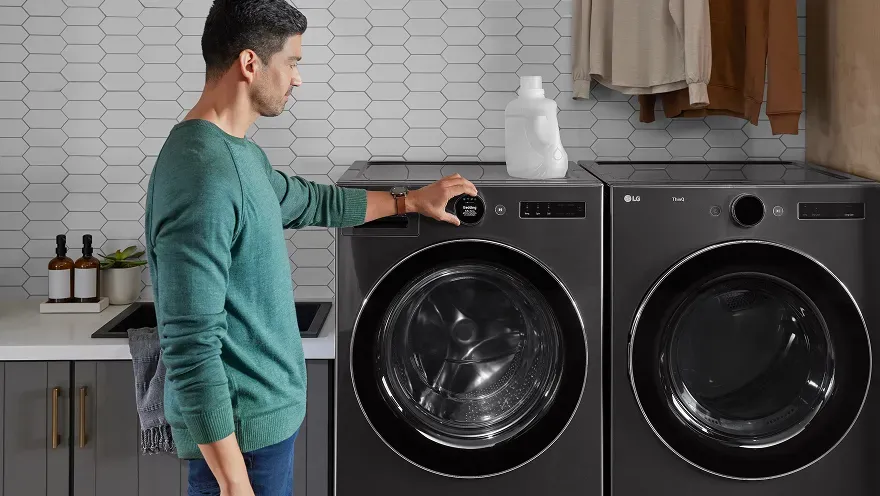
Smart dryers connect to your phone. You can start or stop drying remotely, see how much time is left, or get alerts if there’s a problem.
- Tip: This is useful for busy people or anyone who forgets laundry.
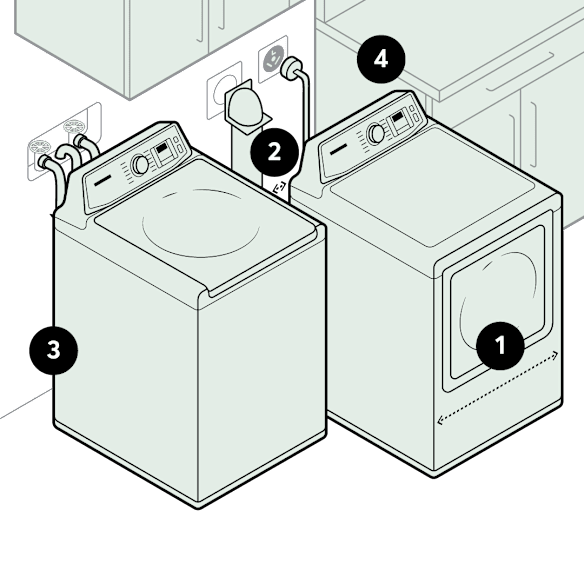
Measuring Your Space And Installation
Before buying, make sure the dryer fits your home. This step is often missed but can cause problems.
Measuring For Fit
- Measure the space where you plan to put the dryer.
- Include room for opening the door and for airflow.
- Allow 1–2 inches on each side for ventilation.
Electrical And Gas Requirements
- Most electric dryers need a 240V outlet.
- Gas dryers need a gas line and a standard electrical outlet.
- Check your home’s setup before buying.
Venting And Water
- Vented dryers need a duct to the outside.
- Condenser and heat pump dryers need a place to pour out water.
Stackable And Compact Models
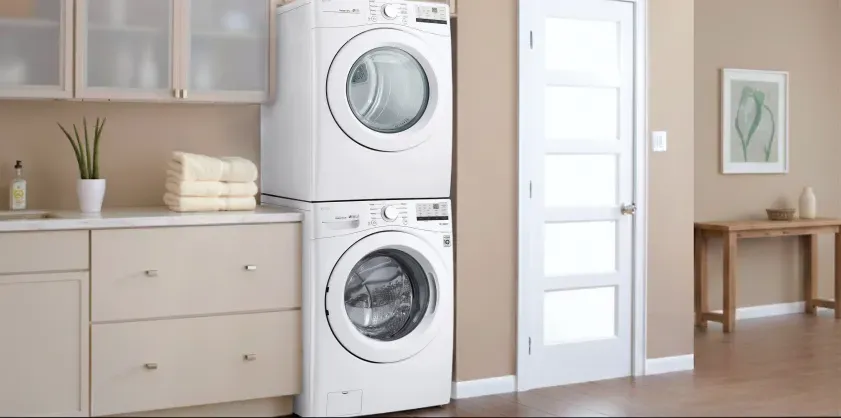
If you have limited space, look for compact or stackable dryers. These can sit on top of your washing machine.
| Dryer Type | Width (inches) | Depth (inches) | Height (inches) |
|---|---|---|---|
| Full-size | 27–29 | 29–34 | 38–43 |
| Compact | 24–25 | 25–28 | 33–36 |
| Stackable | 27–29 | 29–34 | 70–75 (with washer) |
Comparing Brands And Models
Brand reputation matters when choosing a dryer. Let’s look at what separates some popular brands.
Whirlpool
Known for reliability and value. Offers many vented and condenser models. Good for families.
Lg
Famous for quiet operation and smart features. Offers advanced heat pump models.
Samsung
Has many options with sensor drying and steam. Stylish design, often with Wi-Fi.
Maytag
Strong build quality, good warranty. Focuses on simple, durable vented models.
Bosch
Specializes in compact and heat pump dryers. Excellent for apartments.
Ge
Offers affordable vented and gas dryers, simple controls.
| Brand | Type | Key Feature | Price Range ($) |
|---|---|---|---|
| Whirlpool | Vented/Condenser | Reliability | 500–1,200 |
| LG | Heat Pump | Smart, Quiet | 900–1,800 |
| Samsung | Vented/Heat Pump | Sensor, Steam | 700–1,600 |
| Maytag | Vented | Durability | 600–1,200 |
| Bosch | Heat Pump/Compact | Space Saving | 1,000–1,800 |
| GE | Vented/Gas | Affordable | 500–1,100 |
Budgeting And Total Cost
It’s easy to focus on the purchase price, but dryers cost money to run and maintain. Understanding the total cost of ownership helps you make a smarter choice.
Upfront Price
A basic vented dryer can cost as little as $400, while advanced heat pump models reach $1,800 or more.
Running Costs
Electric dryers use about 3–6 kWh per cycle. At $0. 15 per kWh, this is $0. 45–$0. 90 per load. Heat pump dryers use about half as much.
- Example: If you dry 200 loads per year, a heat pump dryer can save $90 annually compared to a vented model.
Maintenance
Dryers need filter cleaning and sometimes vent cleaning. Heat pump dryers may need extra maintenance for filters.
Repairs And Warranty
Be sure to check the warranty. While most brands offer a 1-year warranty, some provide coverage on parts for up to 5 years.
Hidden Costs
- Installation (especially for gas dryers).
- Ductwork for vented models.
- Replacement filters.
Safety And Reliability
Dryers can be a fire risk if not used properly. Make safety a priority.
Lint Filter
Always clean the lint filter after each use. This prevents fires and improves efficiency.
Venting
For vented dryers, clean the duct at least once a year. Blocked vents are a common cause of dryer fires.
Overheating Protection
Choose models with automatic shutoff or overheating sensors.
Brand Reliability
Some brands have better reliability records. Check reviews and consider buying from brands with a history of few repairs.
- Non-obvious insight: A quiet dryer often lasts longer. Noise can mean parts are wearing out.
Credit: shopjetson.com
Common Mistakes To Avoid
Even experienced buyers can miss important details. Here are mistakes to avoid:
- Buying the wrong size: Too big wastes energy, too small means more loads.
- Ignoring installation needs: Not all homes have the right vent or gas line.
- Skipping sensor drying: This feature saves money and protects clothes.
- Missing out on energy efficiency: Higher upfront cost can mean big savings later.
- Overlooking noise: Loud dryers can disturb your home.
- Not checking warranty: Repairs are expensive.
- Choosing by price only: Cheap dryers may cost more over time.
Tips For Getting The Best Value
- Compare energy ratings and annual running costs.
- Look for seasonal sales or bundle deals with washers.
- Read user reviews for real-life reliability.
- Test door opening direction; some models let you change it.
- Ask about after-sales support and repair options.
Practical Examples
Let’s look at two real scenarios to show how these tips help.
Scenario 1: Family With Large Laundry Loads
A family of five needs a dryer that can handle big loads. They choose a vented dryer with 8 cubic feet, sensor drying, and reverse tumble. It costs $800, but saves time by drying faster. They clean the lint filter after every use and vent once a year.
Scenario 2: Small Apartment, Limited Space
A single person in a small apartment selects a compact condenser dryer. It fits under the counter and doesn’t need venting. Sensor drying and low noise are important. They pay $1,100 but save on installation. They empty the water container after each use.
Environmental Impact
Dryers use a lot of energy. Choosing an efficient model helps the environment and your wallet.
- Heat pump dryers use 40–50% less energy.
- Sensor drying stops the cycle when clothes are dry.
- Eco modes use lower heat and longer drying times.
- According to the U.S. Department of Energy, dryers are the third-largest energy user in most homes. Switching to efficient models can reduce your carbon footprint.
If you want to learn more about energy-saving appliances, visit the ENERGY STAR official site.
Credit: www.consumerreports.org
Frequently Asked Questions
What Is The Most Energy-efficient Type Of Dryer?
The heat pump dryer is the most energy-efficient. It recycles hot air, reducing energy use by up to 50% compared to standard electric dryers.
Can I Install A Dryer Anywhere In My Home?
Not always. Vented dryers need to be near an outside wall for venting. Condenser and heat pump dryers are more flexible, but all dryers need proper electrical outlets.
How Often Should I Clean The Lint Filter?
Clean the lint filter after every load. This keeps the dryer running efficiently and reduces fire risk.
Is A Steam Function Worth The Extra Cost?
The steam function is useful if you often dry delicate clothes or want to refresh items without washing. It also helps reduce wrinkles and kills allergens.
What Is Sensor Drying And Why Is It Important?
Sensor drying uses moisture sensors to stop the dryer when clothes are dry. This protects clothes, saves energy, and prevents over-drying.
Final Thoughts
Choosing the right clothes dryer is not just about price or style. You need to think about your space, the features you really need, and how much you’ll use it. Take time to measure your space and check your home’s requirements.
Compare energy ratings, noise levels, and smart options. Don’t overlook safety and reliability. They are often more important than flashy features.
Remember, the right dryer will save you time, money, and hassle for years. Use the tips and comparisons in this guide to make a confident decision. With a little research, your new dryer will fit your home and lifestyle perfectly.
Credit: www.brothersmain.com
