Are you tired of ending up with mushy or undercooked rice every time you use your rice cooker? Getting the right balance of rice and water is the key to perfect, fluffy rice every time.
But how much rice and water should you actually put in your rice cooker? If you’ve ever wondered about the secret to flawless rice without the guesswork, this article is for you. Keep reading, and you’ll discover simple tips that make cooking rice easier and more reliable than ever before.
Choosing The Right Rice Cooker
Choosing the right rice cooker is key to making perfect rice every time. It affects how much rice and water you’ll need, the cooking time, and the final texture. Knowing what type and size fit your needs can save you time, energy, and frustration in the kitchen.
Types Of Rice Cookers
There are basic, fuzzy logic, and induction heating rice cookers. A basic rice cooker is simple and affordable, ideal if you mostly cook white rice. It uses a fixed heating cycle without adjusting for different rice types.
Fuzzy logic cookers adjust temperature and cooking time automatically. They handle a variety of rice like brown, sushi, or jasmine better. This type is great if you want versatility and don’t want to measure water precisely every time.
Induction heating rice cookers offer the most precise cooking. They heat the entire pot evenly, resulting in fluffy rice with perfect texture. However, they are usually more expensive and better suited for serious home cooks or rice enthusiasts.
Capacity And Size Considerations
Think about how much rice you cook daily. Rice cookers come in sizes from 3 cups to 10 cups or more. If you often cook for one or two people, a 3-5 cup cooker is enough.
For larger families or meal prepping, a 6-10 cup cooker saves time by cooking bigger batches at once. But be careful not to buy too big a cooker for small meals; leftover rice can dry out or spoil quickly.
Also, consider counter space and storage. A big rice cooker might be bulky and hard to store. Ask yourself: how often will you use it, and how much rice do you really need each time?
Rice Varieties And Their Water Needs
Different types of rice need different amounts of water to cook perfectly. Knowing the right water-to-rice ratio helps make fluffy, tasty rice. Each rice variety absorbs water differently. Adjusting water amounts can avoid mushy or dry rice. Here is a simple guide for common rice types and their water needs in a rice cooker.
White Rice
White rice cooks quickly and needs less water. Use one cup of rice with one and a half cups of water. This ratio works well for most plain white rice. It creates soft and fluffy grains without being sticky.
Brown Rice
Brown rice has the outer bran layer, so it needs more water and time. Use one cup of brown rice with two cups of water. This extra water helps the rice cook fully and become tender. Brown rice takes longer to cook than white rice.
Jasmine And Basmati
Jasmine and basmati are fragrant long-grain rices. They need less water than brown rice but a bit more than white rice. Use one cup of rice with one and a half cups of water. This keeps the grains separate and light.
Specialty Rice Types
Specialty rice like Arborio, sushi, or wild rice need unique water amounts. Arborio rice for risotto uses more water for creaminess. Sushi rice needs less water for stickiness. Wild rice needs the most water and longest cooking time. Always check specific instructions for these types.
Standard Rice To Water Ratios
Using the right rice to water ratio is key for perfect rice. Too much water makes rice mushy. Too little water leaves it dry and hard. Each type of rice needs a different amount of water.
This section explains common ratios for cooking rice in a rice cooker. Follow these simple guides for fluffy, tasty rice every time.
Basic White Rice Ratio
For white rice, use one cup of rice with one and a half cups of water. This ratio works well for most white rice varieties. It creates soft, separate grains that are easy to eat.
Rinse the rice before cooking to remove extra starch. This helps prevent stickiness.
Adjusting For Brown Rice
Brown rice needs more water because of its outer bran layer. Use one cup of brown rice with two cups of water. This ratio ensures the rice cooks fully and stays chewy but tender.
Brown rice takes longer to cook, so expect a longer cook time in your rice cooker.
Ratios For Sticky And Sushi Rice
Sticky rice requires less water than white rice. Use one cup of sticky rice with one cup of water. This keeps the rice clumping together as needed.
Sushi rice needs a little more water than sticky rice. Use one cup of sushi rice with one and a quarter cups of water. This helps achieve the right sticky texture for sushi rolls.
Factors Affecting Rice And Water Amounts
Understanding the right amount of rice and water is key to perfect cooking in a rice cooker. Several factors can change how much water you need. These factors help you cook rice that is just right for your taste and needs. Knowing them saves you from soggy or dry rice.
Altitude And Cooking Time
Higher altitudes have lower air pressure. This lowers the boiling point of water. Rice takes longer to cook at high places. You may need more water to keep the rice moist. Cooking time also increases, so adjust accordingly.
Rice Freshness And Grain Size
Older rice absorbs more water than fresh rice. Fresh rice needs less water to cook well. Different rice grain sizes soak water differently. Long grains require less water than short grains. Adjust water amounts based on rice age and size.
Personal Texture Preferences
Some like rice soft and sticky. Others prefer it firm and separate. More water makes rice softer and stickier. Less water keeps rice firm and fluffy. Adjust water to match your texture preference every time.
Measuring Rice And Water Accurately
Measuring rice and water accurately is key for perfect cooking in a rice cooker. The right amounts ensure fluffy rice, not too dry or mushy. Precise measuring helps avoid wasting food and saves time. It also keeps your rice cooker working well for longer.
Small differences in rice or water levels change the texture a lot. Using the right tools and methods gives you consistent results every time. This section explains simple ways to measure rice and water correctly.
Using Rice Cooker Cups
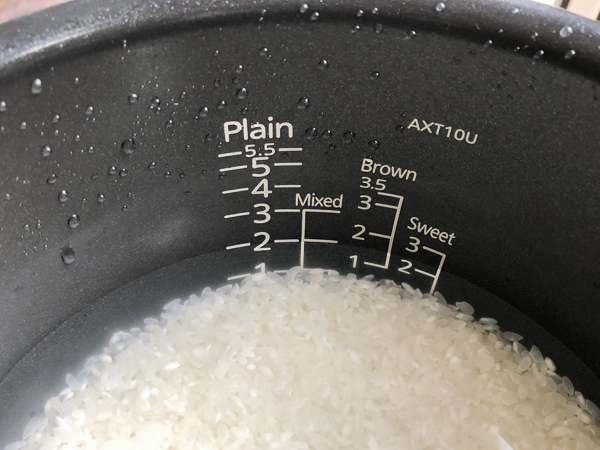
Most rice cookers come with a special rice cup. This cup is smaller than a standard cup, usually about 180 ml. Using this cup helps you measure the right amount of rice for your cooker. Fill the cup with rice and level it off for accuracy.
Follow the rice cooker’s guide for water levels. Usually, the water lines inside the cooker match the rice cup numbers. This method is simple and fast.
Kitchen Measuring Tools
Measuring cups and spoons from your kitchen work well too. Use a dry measuring cup for rice to get exact amounts. Use a liquid measuring cup for water to avoid spills.
Pour water slowly and check the level at eye height. This prevents adding too much or too little water. Consistency in measuring tools means consistent cooking.
Tips For Consistent Results
Rinse rice before measuring to remove excess starch. This helps rice cook evenly and prevents clumping. Always use the same measuring tools for each batch.
Keep water levels just right by noting your rice type. Brown rice needs more water; white rice needs less. Write down your measurements to repeat good results next time.
Water Adjustments For Different Cooking Methods
Adjusting water for rice cooking methods affects the final texture. Different methods need different water amounts. Knowing these helps you get perfect rice every time. The right water ratio depends on rinsing, soaking, and adding flavors.
Rinsing Rice Before Cooking
Rinsing rice removes extra starch and dirt. This makes rice less sticky. After rinsing, rice absorbs less water. Use slightly less water than usual. Usually, reduce water by 10% to avoid mushy rice.
Soaking Rice For Better Texture
Soaking rice softens grains and shortens cooking time. Soaked rice needs less water to cook fully. Drain rice after soaking to control water content. Use about 20% less water than dry rice cooking instructions.
Adding Broth Or Flavor Enhancers
Replace water with broth for richer taste. Use the same amount of broth as water. Adding salt or spices does not change water needed. Keep water or broth ratios steady for best results.
Troubleshooting Common Rice Cooker Issues
Rice cookers make cooking rice easy but sometimes problems happen. Knowing how to fix common issues helps save time and avoid waste. This section shows how to solve frequent rice cooker problems. Follow these simple tips for better rice every time.
Rice Too Dry Or Hard
Rice turns dry or hard if there is not enough water. Always measure water carefully before cooking. Use a little more water for older or long grain rice. Check the cooker’s instructions for the right water-to-rice ratio. Let the rice rest with the lid on after cooking. This allows moisture to spread evenly.
Rice Too Wet Or Mushy
Too much water causes wet and mushy rice. Reduce water slightly next time. Avoid opening the lid during cooking. Steam escapes and affects the rice texture. Use the right rice type for your cooker. Some cookers need less water for sticky rice. Drain excess water if rice is very wet.
Uneven Cooking Problems
Uneven cooking happens when rice is not spread evenly in the cooker. Stir the rice gently before starting the cooker. Avoid overfilling the pot. Use a flat spoon to level the rice. Check if the cooker’s heating plate is clean. Dirty plates cause uneven heat and cooking. Use the keep-warm function carefully to avoid drying out rice.
:max_bytes(150000):strip_icc()/how-to-use-your-rice-cooker-482851-Step_2-5bacdcc446e0fb0025b03c16.jpg)
Credit: www.thespruceeats.com
Enhancing Rice Cooking With Additional Tips
Cooking rice in a rice cooker is simple, but small tips can improve the taste and texture. These tricks help make your rice more flavorful and enjoyable. They also save time and effort in the kitchen.
Try these easy ways to enhance your rice cooking experience.
Using The Keep Warm Function
The keep warm function keeps rice hot after cooking. It stops the rice from drying out or getting cold. Use it to keep rice fresh for serving later. Do not leave rice on keep warm too long. Otherwise, it may become dry or hard.
Adding Oils Or Butter
Add a small amount of oil or butter before cooking. This makes the rice softer and less sticky. It also adds a nice flavor. Use neutral oil like vegetable oil or a little butter. Stir the rice and water gently to mix well.
Mixing Rice With Other Ingredients
Mix rice with vegetables, spices, or beans for more taste. Add ingredients before starting the cooker. This saves time and makes a complete meal. Choose ingredients that cook well with rice, like peas or corn. Avoid ingredients that need longer cooking times.
Credit: thejapantry.com
Frequently Asked Questions
How Much Rice Should I Use Per Person In A Rice Cooker?
Use about 1/2 cup of uncooked rice per person for a standard serving. This amount yields roughly one cup of cooked rice, enough for a meal. Adjust based on appetite or if rice is a side dish.
What Is The Correct Water-to-rice Ratio For Rice Cookers?
The typical water-to-rice ratio is 1. 5 to 1 for white rice. Use 1. 5 cups of water for every 1 cup of uncooked rice. Brown rice usually requires more water, about 2 cups per 1 cup of rice.
Can I Use Less Water For Firmer Rice In A Rice Cooker?
Yes, reducing water slightly makes firmer rice. Use about 1. 25 cups of water per cup of rice. Experiment with small changes to get your preferred texture without drying out the rice.
How Do I Measure Rice And Water For A Rice Cooker?
Use the measuring cup that comes with your rice cooker. Typically, one cup equals about 180 ml. Fill the cooker’s pot with water to the indicated line that matches the rice amount.
Conclusion
Knowing the right rice and water ratio helps you cook perfect rice every time. Use a simple 1:1. 5 or 1:2 ratio for most rice types. Adjust water slightly for softer or firmer rice. Remember to rinse rice before cooking to remove extra starch.
A good rice cooker makes cooking easy and consistent. Follow these tips, and enjoy fluffy, tasty rice with every meal. Cooking rice should be simple and stress-free. Try these steps and see the difference in your rice today.
