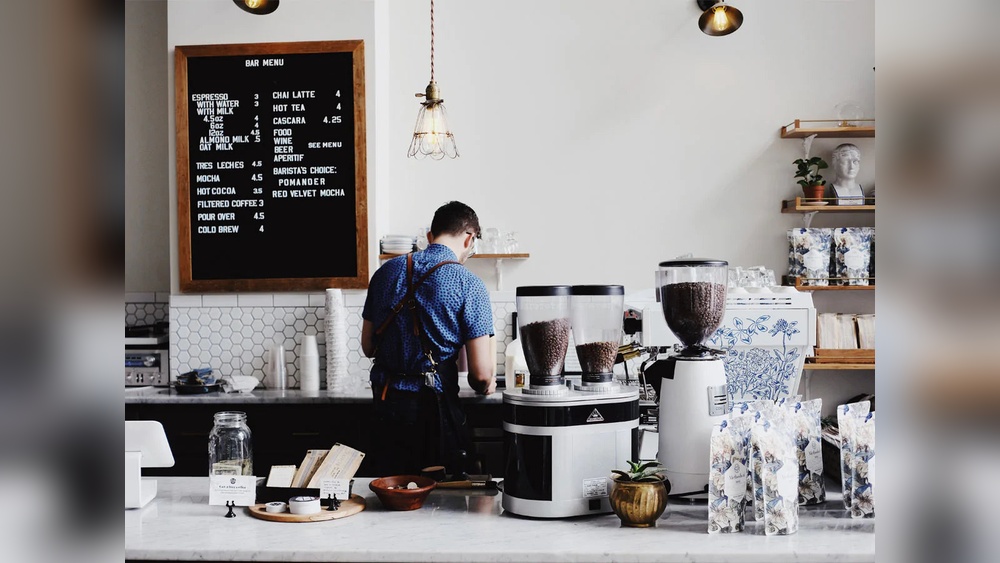
Thinking about opening your own coffee bar? Imagine creating a cozy spot where your community gathers, enjoying fresh brews made just the way they like.
Starting a coffee bar might seem overwhelming, but with the right steps, you can turn your dream into reality. In this guide, you’ll discover simple, practical tips to help you plan, set up, and run a coffee bar that customers love.
Ready to learn how to make your coffee bar stand out and succeed? Keep reading, you’re closer than you think.
Choosing The Right Location
Choosing the right location for your coffee bar can make or break your business before it even opens. You want a spot where people naturally gather, but also one that fits your brand and vision. Finding the perfect location means balancing several important factors that directly impact your foot traffic and sales.
Analyzing Foot Traffic
Look closely at how many people walk by your potential spot every day. Are they mostly office workers, students, or tourists? Each group has different coffee habits and peak hours.
Spend a few days observing the flow during mornings, lunch, and late afternoons. Use a simple tally or smartphone app to count pedestrians. This data helps you predict busy times and plan staffing accordingly.
Think about your own coffee habits, where do you usually grab your cup? Does that place have a steady stream of customers, or is it quiet? Your personal experience can guide your expectations.
Evaluating Competition
Check out nearby coffee bars and cafes. What do they offer, and how busy are they? This gives you clues about what customers want and what gaps you can fill.
Do competitors have long lines during rush hour? Maybe there’s room for a faster service or unique menu items. If every corner has a coffee shop, consider what makes your idea stand out.
Ask yourself: Are you ready to compete on price, quality, or atmosphere? Knowing this helps you position your coffee bar to attract a loyal crowd.
Considering Accessibility
Can customers easily reach your location by walking, driving, or public transit? Is there enough parking or bike racks nearby? Accessibility affects how often people stop by.
Don’t forget about visibility. Can people see your sign from the street? A hidden gem might be charming but could limit your exposure.
Think about your target customers’ routines. Will they drop in on their way to work or school? Making it easy for them to stop by increases your chances of regular visits.
Crafting Your Coffee Menu
Crafting your coffee menu is a key step in starting a coffee bar. The right menu attracts customers and keeps them coming back. A well-planned menu shows your passion for coffee and quality. It also helps you stand out in a busy market.
Focus on variety and taste. Offer options that suit different preferences. This way, your coffee bar can please many types of coffee lovers.
Selecting Coffee Beans
Choose coffee beans carefully. The beans affect the flavor and quality of every cup. Look for beans that are fresh and ethically sourced. Try different types like Arabica or Robusta. Each type offers a unique taste experience. Consider single-origin beans for special flavors. Buy from trusted suppliers to maintain consistency.
Including Specialty Drinks
Specialty drinks add excitement to your menu. Include popular choices like lattes, cappuccinos, and mochas. Offer seasonal drinks to attract repeat customers. Use fresh ingredients and creative recipes. Specialty drinks can highlight your barista’s skills. Keep the menu simple but inviting.
Offering Food Pairings
Food pairs well with coffee. Add pastries, sandwiches, or light snacks to your menu. Choose items that match your coffee flavors. Fresh, tasty food makes customers stay longer. It also increases sales and customer satisfaction. Keep food options easy to prepare and serve.
Setting Up Equipment And Layout
Setting up the right equipment and layout is key to starting a successful coffee bar. It affects your efficiency and customer experience. The space should work well for your team and feel inviting to guests. Smart choices here save time and improve service.
Essential Brewing Equipment
Choose reliable coffee machines that fit your budget and needs. An espresso machine is a must-have for popular drinks. Include grinders to ensure fresh coffee grounds for every cup. A drip coffee maker can serve multiple customers quickly. Don’t forget items like a milk frother, water filter, and storage containers. Keep equipment clean and maintained to ensure consistent quality.
Designing An Efficient Workspace
Arrange equipment for smooth workflow. Place the espresso machine, grinder, and milk frother close together. Allow space for cup storage and ingredient prep. Design counters at comfortable heights for baristas. Keep cleaning supplies handy but out of sight. Plan for easy movement between stations to speed up service. Avoid clutter to keep the area safe and tidy.
Creating A Cozy Ambiance
Use warm lighting to make the space feel welcoming. Choose comfortable seating that encourages customers to stay. Add simple decor like plants or artwork to add charm. Keep the layout open but intimate. Soft music can enhance the mood without overpowering conversation. A cozy atmosphere invites guests to return often.
Hiring And Training Staff
Hiring and training staff is a key step in starting a coffee bar. The right team creates a welcoming atmosphere and serves quality drinks. Good employees keep customers coming back. This section guides you through finding skilled baristas, training them well, and improving customer service skills.
Finding Skilled Baristas
Look for baristas with experience in making coffee drinks. Check for knowledge of espresso machines and latte art. Ask for references or past work examples. Consider hiring those eager to learn. Passion for coffee matters more than years worked. A skilled barista brings consistency and skill to your coffee bar.
Implementing Training Programs
Create simple training steps for new hires. Teach how to use equipment safely and correctly. Include coffee brewing techniques and drink recipes. Practice each skill until the employee feels confident. Use short training sessions to keep focus. Regular refreshers help maintain high quality. Training ensures every cup meets your coffee bar’s standards.
Fostering Customer Service Skills
Train staff to greet customers warmly. Teach polite language and active listening. Encourage staff to learn about customer preferences. Quick problem solving improves customer satisfaction. Role-playing common situations helps staff practice. Friendly service turns first-time visitors into loyal customers. Great customer service is the heart of any coffee bar.
Marketing Your Coffee Bar
Marketing your coffee bar is key to attracting customers and growing your business. It helps people know what makes your coffee bar special. Good marketing builds trust and invites customers to visit again and again.
Use clear messages and consistent visuals. Show your passion for coffee. Make your coffee bar a place people want to be.
Building A Brand Identity
Create a unique name and logo that match your coffee bar’s style. Choose colors and fonts that feel warm and welcoming. Your brand should tell a story that customers remember.
Use the same design on your menu, cups, and signs. This makes your coffee bar look professional and trustworthy. A strong brand helps customers recognize you easily.
Utilizing Social Media
Post pictures of your coffee, food, and cozy space. Share stories about your beans and brewing methods. Talk directly to your followers by asking questions and replying to comments.
Use simple posts with clear photos. Keep your posts regular but not too many. Social media helps spread the word and build a community around your coffee bar.
Hosting Events And Promotions
Plan events like coffee tastings or live music to bring in new customers. Offer discounts or loyalty cards to encourage repeat visits. Small contests or giveaways create excitement and attract attention.
Events and promotions make your coffee bar lively and interesting. They give customers reasons to come back and tell their friends.

Credit: www.amazon.com
Managing Finances And Operations
Managing finances and operations is key to running a successful coffee bar. Careful planning helps keep costs low and profits steady. It also ensures smooth daily activities and happy customers.
Setting a clear budget controls spending. Tracking sales and inventory shows what works and what needs change. Following rules and licenses avoids fines and legal trouble.
Budgeting And Cost Control
Create a detailed budget before opening your coffee bar. Include rent, equipment, ingredients, and staff wages. Review your budget monthly to spot overspending early. Cut unnecessary costs to keep your business healthy. Use simple software or spreadsheets to track expenses. Stay focused on essential purchases to protect profits.
Tracking Sales And Inventory
Record daily sales to understand customer preferences. Identify best-selling drinks and adjust your menu accordingly. Track inventory to avoid running out of key ingredients. Use inventory data to order stock on time. Prevent waste by managing expiration dates carefully. Accurate sales and stock records improve your business decisions.
Ensuring Compliance And Licensing
Obtain all required licenses before starting operations. This includes health permits, food handling certificates, and business licenses. Follow safety and hygiene rules strictly to protect customers. Display licenses where customers can see them. Stay updated on local laws to avoid fines. Compliance builds trust and keeps your coffee bar running smoothly.
Frequently Asked Questions
What Are The First Steps To Start A Coffee Bar?
First, research your target market and location. Next, create a detailed business plan and budget. Then, secure necessary permits and funding. Finally, design your space and source quality equipment and coffee beans.
How Much Does It Cost To Open A Coffee Bar?
Starting costs vary but typically range from $80,000 to $250,000. Expenses include rent, equipment, inventory, licenses, and marketing. Budget carefully and plan for at least six months of operating expenses.
What Equipment Is Essential For A Coffee Bar?
Essential equipment includes an espresso machine, coffee grinder, brewer, refrigerator, and POS system. Quality tools ensure consistent coffee and smooth service. Investing in reliable equipment improves customer satisfaction and efficiency.
How Do I Create A Unique Coffee Menu?
Focus on quality beans and specialty drinks. Include seasonal options, milk alternatives, and signature blends. Consider customer preferences and trends. A unique menu attracts diverse customers and sets your coffee bar apart.
Conclusion
Starting a coffee bar takes planning and passion. Choose the right location and equipment. Focus on quality coffee and friendly service. Keep your space clean and welcoming. Listen to customer feedback and adapt quickly. Manage your budget carefully and track expenses.
Small steps lead to steady growth. Enjoy the process and learn each day. Your coffee bar can become a favorite spot. Stay patient and keep improving every moment.
