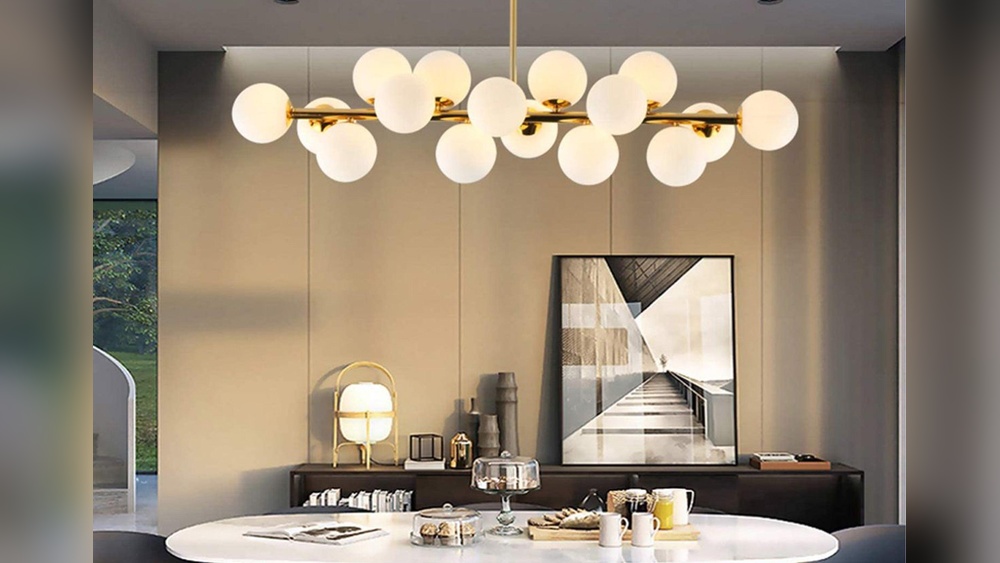
Modern homes are about more than sleek furniture and open spaces. The lighting in your dining room shapes the mood, highlights your decor, and even influences how food looks and feels. Whether you’re hosting dinner parties or enjoying quiet family meals, the right dining room lighting can turn a simple room into a stylish, welcoming space. Many homeowners focus on furniture and wall colors, but lighting is often forgotten or misunderstood. If you want your dining room to look modern and inviting, it’s time to think differently about your lights.
Why Lighting Matters In Dining Rooms
Lighting does much more than brighten a room. It draws attention to certain areas, makes the room feel larger or smaller, and creates a warm or cool atmosphere. Studies show that lighting can even affect mood and appetite. For example, warmer light encourages relaxation, while cooler light energizes people.
Choosing the best lighting for your dining room is not just about style. It’s about comfort and function.
Modern homes often feature open layouts, so dining room lighting needs to blend with living spaces. If your dining area is part of a larger room, the right lighting helps define the space without walls. This is one reason pendant lights and chandeliers are so popular. They create a focal point and add personality to a room.
Types Of Dining Room Lighting
There are several lighting types you can use in a dining room. Each has its own benefits and style. Understanding these options helps you make smarter choices.
| Type | Main Purpose | Common Features |
|---|---|---|
| Ambient | General room lighting | Ceiling fixtures, recessed lights |
| Accent | Highlighting objects or areas | Wall sconces, track lights |
| Task | Focused light for activities | Pendant lights, under-cabinet lights |
| Decorative | Style and visual interest | Chandeliers, artistic lamps |
Most dining rooms use a mix of these lighting types. For modern homes, combining ambient, accent, and decorative lighting creates depth and visual interest.
Choosing The Right Fixtures
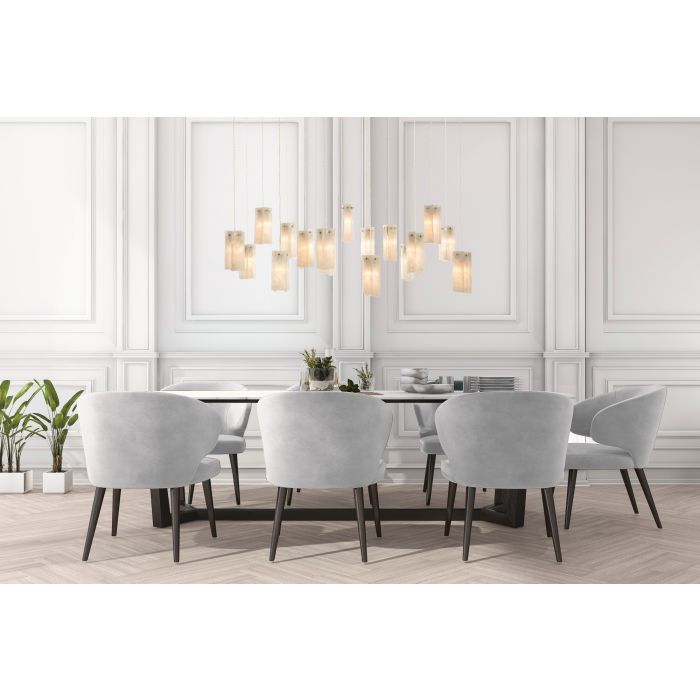
Modern dining rooms are known for their clean lines and simple shapes. When selecting lighting fixtures, look for styles that match your room’s design. Here are some popular choices:
- Pendant Lights: These hang from the ceiling, often above the dining table. They come in a variety of shapes, including round, rectangular, and geometric designs. Pendant lights are great for focused lighting and work well in minimalist designs.
- Chandeliers: Traditionally seen as classic, modern chandeliers use sleek materials like metal or glass. They make a bold statement and work best in rooms with high ceilings.
- Flush Mounts: These are attached directly to the ceiling. They are good for smaller dining rooms where you want a clean look without hanging fixtures.
- Wall Sconces: Mounted on walls, these provide accent lighting and add layers to your lighting design.
- LED Strips: Used under shelves, cabinets, or along walls, LED strips add soft ambient light and highlight architectural features.
- Track Lighting: Adjustable and versatile, track lights let you focus light where you need it. They’re perfect for modern homes with flexible layouts.
Comparing Fixture Types
Here’s a quick comparison of different fixture types:
| Fixture | Best For | Pros | Cons |
|---|---|---|---|
| Pendant Lights | Focused table lighting | Stylish, customizable | May need more fixtures for larger rooms |
| Chandeliers | Large or formal rooms | Elegant, eye-catching | Can overwhelm small spaces |
| Flush Mounts | Small rooms | Space-saving, subtle | Less dramatic |
| Wall Sconces | Accent lighting | Layered effect, highlights decor | Limited to wall areas |
| LED Strips | Ambient or accent | Flexible, energy-efficient | Requires installation |
| Track Lighting | Flexible layouts | Adjustable, modern | May look industrial |
Color Temperature: Setting The Mood
Color temperature is how “warm” or “cool” a light looks. It’s measured in Kelvin (K). Warm lights (around 2700K) are cozy and inviting. Cool lights (above 4000K) are bright and energetic. For dining rooms, most designers recommend warm or neutral tones.
- Warm White (2700K–3000K): Best for relaxing dinners and cozy gatherings.
- Neutral White (3500K–4000K): Works well for modern homes, balancing comfort and clarity.
- Cool White (4500K+): Good for kitchens and workspaces, but can feel harsh in dining rooms.
A smart tip: use dimmable lights. This lets you adjust brightness for different occasions, from lively parties to intimate meals.
Layering Your Lighting
Modern homes benefit from layered lighting. This means using more than one light source to create a balanced effect. Here’s how to layer lighting in your dining room:
- Ambient Lighting: Start with a main ceiling fixture or recessed lights for general brightness.
- Task Lighting: Add pendant lights or a chandelier above the table for focused light.
- Accent Lighting: Use wall sconces or LED strips to highlight artwork or architectural features.
- Decorative Lighting: Choose fixtures that add style, like unique pendants or artistic lamps.
This approach avoids flat, boring light. Layered lighting gives depth and makes the room feel more dynamic.
Placement And Scale: Getting It Right
How you place your lighting is just as important as the fixtures you choose. Poor placement leads to shadows, glare, or uneven light.
Above The Dining Table
The most common spot for a pendant or chandelier is directly above the dining table. Here are guidelines:
- The bottom of the fixture should hang 28–34 inches above the tabletop.
- For long tables, use a row of pendants or a linear fixture.
- For round tables, a single centered fixture works best.
Fixture Size
A common mistake is choosing a fixture that’s too small or too large. To find the right size:
- Add the length and width of your dining room in feet. The result in inches is the ideal diameter for your light fixture.
- Example: If your room is 12 feet by 10 feet, a fixture about 22 inches wide fits well.
Multiple Fixtures
If your table seats more than eight people, consider multiple lights or a larger fixture. For smaller tables, a single light is usually enough.
Materials And Finishes
Modern lighting uses materials like metal, glass, and wood. Each material creates a different feel:
- Metal: Sleek and industrial, often seen in black, brass, or chrome finishes.
- Glass: Adds brightness and transparency, works well with minimalist decor.
- Wood: Brings warmth and a natural touch, perfect for Scandinavian or eco-friendly styles.
Mixing materials can make your dining room more interesting. For example, pairing a glass pendant with metal accents creates contrast.
Smart Lighting For Modern Homes
Technology is changing how we use lights. Smart lighting lets you control brightness, color, and even timing from your phone or voice assistant. This offers more than just convenience. It also gives you the flexibility to create different moods and lighting effects.
Popular smart lighting features include:
- Dimming: Adjust brightness for meals or parties.
- Color changing: Set different colors for holidays or special events.
- Scheduling: Have lights turn on or off automatically.
- Remote control: Change settings from anywhere.
Brands like Philips Hue and LIFX offer smart bulbs that fit in standard fixtures. Smart lighting is especially useful in open-plan homes, where you may want to change the atmosphere quickly.
Creative Lighting Ideas
Modern homes invite creativity. Here are some unique lighting ideas for your dining room:
- Clustered Pendants: Hang multiple pendants at different heights for a playful, modern look.
- Oversized Fixtures: Use a large chandelier or pendant to make a bold statement.
- Sculptural Lights: Choose fixtures with artistic shapes or materials.
- Colored Bulbs: Try soft pink or amber bulbs for a cozy glow.
- Integrated LED Panels: Install LED panels in the ceiling for even, shadow-free light.
- Shadow Play: Use fixtures with patterns to cast interesting shadows on walls.
- Floating Fixtures: Suspend lights from thin cables for a “floating” effect.
- Minimalist Linear Lights: Use long, thin fixtures for sleek, modern style.
Many of these ideas work with both high-end and affordable products. Don’t be afraid to experiment. Modern design is about personal expression.
Practical Tips For Choosing Dining Room Lighting
Selecting the right lighting can feel overwhelming. These practical tips help you avoid common mistakes:
- Always check the height of your ceiling before buying hanging fixtures.
- Match the fixture’s style with your dining room decor, but don’t be afraid to mix materials.
- Use dimmable bulbs for flexibility.
- Consider the number of seats at your table when choosing fixture size.
- If you have artwork or shelves, add accent lights to highlight them.
- Test different color temperatures before deciding.
- Avoid fixtures that block views in open-plan homes.
- If you rent, look for plug-in fixtures or easy-to-install options.
Two non-obvious insights: First, avoid using only one type of lighting. Many beginners use just a ceiling light, which can make the room feel flat and harsh. Second, remember that lighting affects how food looks. Warm light makes food appear richer and more appetizing, while cool light can make it look pale.
Cost And Energy Efficiency
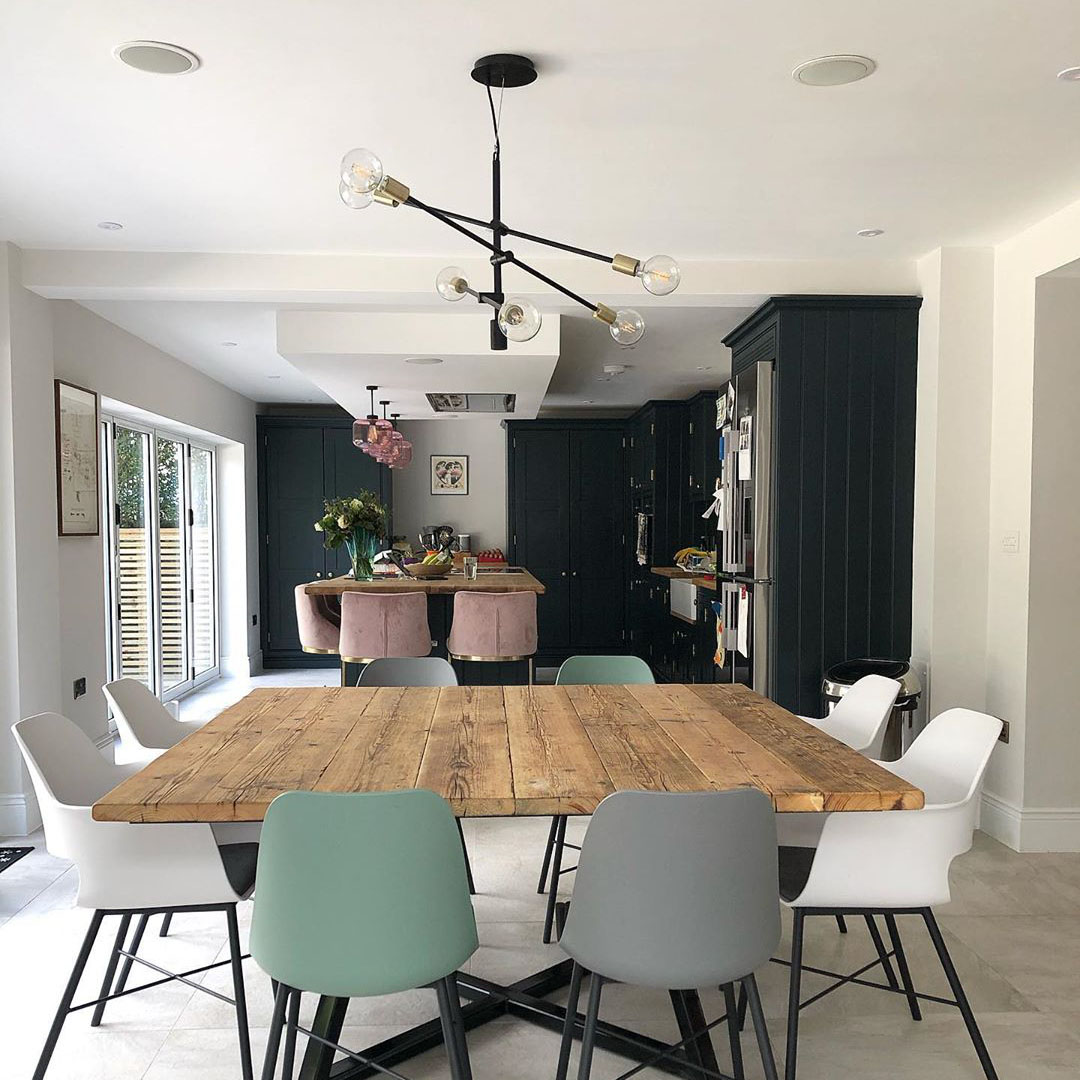
Modern lighting isn’t just about style. It’s also about saving money and energy. LED lights are much more efficient than traditional bulbs. According to the US Department of Energy, LED lights use at least 75% less energy and last up to 25 times longer than incandescent bulbs. This means lower electricity bills and fewer bulb replacements.
Here’s a quick look at energy savings:
| Bulb Type | Average Lifespan | Energy Use (Watts) | Annual Cost (USD) |
|---|---|---|---|
| Incandescent | 1,000 hours | 60W | $8.20 |
| LED | 25,000 hours | 8W | $1.10 |
| Compact Fluorescent | 10,000 hours | 14W | $1.90 |
Choosing LED fixtures or bulbs is a smart move for both your wallet and the planet. Also, many smart lighting systems use LED technology, making them efficient and flexible.
Lighting Trends For Modern Dining Rooms
Design trends change, but some ideas stay popular in modern homes. Here are a few current trends:
- Mixed Metals: Combining brass, chrome, and matte black for a layered look.
- Matte Finishes: Soft, non-glossy surfaces add sophistication.
- Geometric Shapes: Lights with angular or circular designs.
- Natural Materials: Using wood, stone, or rattan for warmth.
- Minimalist Designs: Clean lines and simple shapes.
- Eco-Friendly Fixtures: Lights made from recycled or sustainable materials.
Many designers now use lighting as “functional art. ” Fixtures are not just practical. They also play an important role in defining the style and personality of a room.
Common Mistakes To Avoid
Even experienced homeowners make errors with dining room lighting. Here are mistakes to watch for:
- Ignoring scale: Fixtures too small or too large disrupt room balance.
- Wrong color temperature: Cool lights in dining rooms can make food look unappetizing.
- Over-lighting: Too many bright lights create glare and discomfort.
- Poor placement: Lights not centered over the table or too high/low.
- Neglecting layers: Using only one fixture leads to flat, boring light.
- Missing dimmers: Without dimmers, you can’t adjust the mood.
- Choosing style over function: Some artistic fixtures look great but provide poor light.
If you avoid these mistakes, your dining room will feel comfortable and inviting.
Real-life Examples
Let’s look at two real-life examples that show how lighting transforms a modern dining room.
Example 1: Open-plan Dining Area
A family with an open-plan living and dining room chose a linear pendant above their table. They added recessed lights for ambient lighting and wall sconces to highlight art. Using warm white bulbs, they created a cozy atmosphere for family dinners, while dimmers allowed them to brighten the space for parties.
Example 2: Small Apartment Dining Nook
In a small city apartment, a couple used a flush mount ceiling fixture to save space. They added LED strips under a floating shelf and a mini pendant for the table. The combination made the room feel larger and more stylish, with flexible lighting for every occasion.
Both examples show how mixing different fixtures and light types creates a balanced, modern look.

Frequently Asked Questions
What Is The Best Type Of Lighting For A Modern Dining Room?
The best lighting combines ambient, task, and accent lights. A pendant or chandelier above the table provides focus, while recessed or wall lights add depth. Use warm or neutral color temperatures for a comfortable atmosphere.
How High Should A Dining Room Light Hang Above The Table?
For most dining tables, the light should hang 28–34 inches above the table. This height prevents glare and allows for easy conversation. For tall ceilings, you may need to adjust slightly higher.
Can I Use Smart Lighting In My Dining Room?
Yes, smart lighting works well in modern dining rooms. You can control brightness, color, and timing from your phone or voice assistant. Smart bulbs fit in most standard fixtures and offer flexibility for different moods.
What Color Temperature Is Best For Dining Rooms?
Warm white (2700K–3000K) is ideal for dining rooms. It creates a cozy, inviting mood and makes food look appetizing. Neutral white (3500K–4000K) works if you prefer a modern, brighter feel.
How Can I Save Energy With Dining Room Lighting?
Choose LED bulbs and fixtures because they use less energy and last much longer than traditional incandescent or fluorescent bulbs. Use dimmers and smart controls to adjust brightness as needed. Look for fixtures made from sustainable materials for extra eco-friendly benefits.
Lighting is one of the most important elements in any modern dining room. It’s not just about seeing your food. It’s about creating a space where people feel comfortable, inspired, and connected. With the right lighting ideas, your dining room can become the heart of your modern home. If you want more inspiration or tips, check out Architectural Digest for expert advice and examples.
