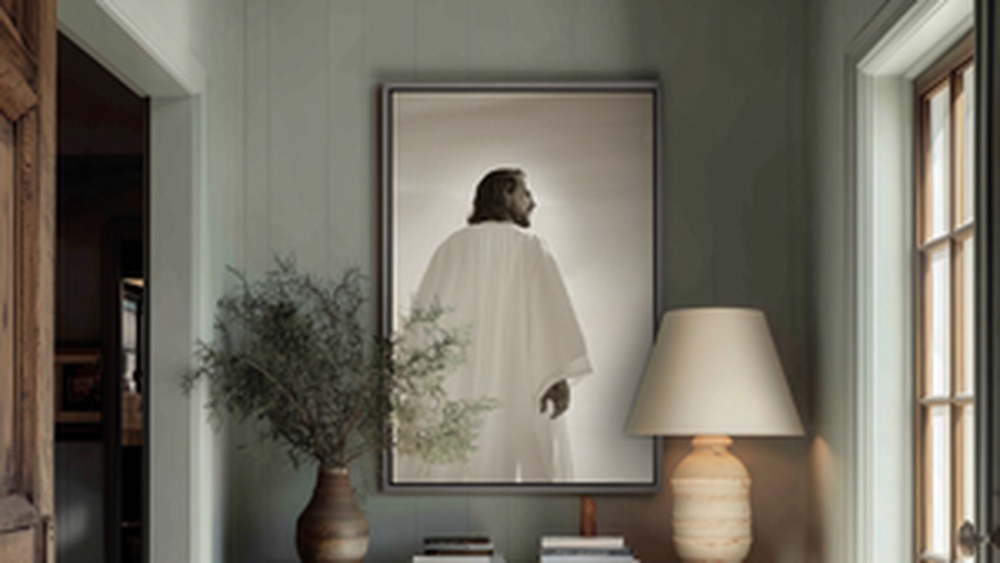
Choosing canvas wall art for your home can feel overwhelming. Many people spend hours searching, only to feel unsure about what fits their space and style. Art can change a room’s mood, make it feel bigger or cozier, and show your personality.
But the wrong piece can look out of place or clash with your furniture. If you want your home to feel inviting and stylish, picking the right canvas wall art matters.
This guide is for anyone who wants to make their home feel special. You’ll learn how to choose canvas wall art that suits your taste, matches your room, and lasts for years. I’ll share practical advice, real examples, and insider tips that beginners often miss.
Whether you’re decorating a new apartment or updating your living room, you’ll find everything you need here to make confident choices.
Understanding Canvas Wall Art
Canvas wall art is a printed or painted image stretched over a frame. It’s popular because it looks modern, is lightweight, and comes in many sizes. Unlike posters, canvas art doesn’t need glass or a heavy frame. It’s easy to hang and gives a professional finish.
Canvas art can show photography, abstract designs, paintings, or even custom prints. You can find ready-made pieces in stores or online, or order custom art that fits your style. Some people choose canvas prints of family photos or famous artworks; others prefer bold, original designs.
Most canvases use cotton or polyester fabric. Cotton gives a natural look and texture, while polyester is smoother and less expensive. The frame is usually made from wood, which keeps the canvas tight and flat.
Key benefits of canvas wall art:
- Lightweight and easy to hang
- No glass required (safe for homes with kids)
- Versatile styles and sizes
- Affordable compared to framed art
Canvas wall art is used in living rooms, bedrooms, hallways, offices, and even kitchens. It suits many styles, from classic to modern.
Identifying Your Personal Style
Before you start shopping, it helps to know your style. This makes choosing art easier and ensures your pieces match your home.
Common Home Decor Styles
- Modern: Clean lines, simple colors, geometric shapes.
- Traditional: Rich colors, classic patterns, detailed frames.
- Bohemian: Mix of bright colors, patterns, and textures.
- Minimalist: Neutral colors, simple designs, lots of open space.
- Industrial: Metal accents, raw textures, black and gray tones.
- Coastal: Light blues, whites, beach themes.
If you’re unsure about your style, look at your furniture, wall color, and accessories. Which colors do you use most? Are your rooms busy or calm? Do you prefer patterns or plain surfaces? Your answers will guide your art choices.
Matching Art To Your Style
- Modern homes look good with abstract or geometric prints.
- Traditional spaces suit landscapes or classic paintings.
- Bohemian rooms welcome bold, colorful art and mixed designs.
- Minimalist spaces need simple, clean pieces with few colors.
- Industrial rooms fit black-and-white photos or urban scenes.
- Coastal homes look best with ocean, sky, or nature prints.
Non-obvious tip: Don’t worry about matching everything perfectly. Sometimes, one unique piece gives a room character. Mixing styles can make your space feel personal and interesting.
Choosing The Right Size And Placement
Picking the right size is one of the most important steps. Art that’s too small looks lost. Art that’s too big can overwhelm a room. Placement also affects how the piece looks.
Measuring Your Space
- Measure the wall where you want to hang the art.
- Leave at least 6-12 inches of space around the edges.
- Don’t cover switches, vents, or windows.
Common mistake: Many people choose art that’s too small for large walls. In most cases, a single large canvas or a group of smaller canvases works better than one tiny piece.
Size Guide
Here’s a quick comparison of canvas sizes for different rooms:
| Room | Recommended Canvas Size | Best Placement |
|---|---|---|
| Living Room | 24″x36″ to 40″x60″ | Above sofa or main wall |
| Bedroom | 18″x24″ to 30″x40″ | Above bed or dresser |
| Hallway | 12″x18″ to 18″x24″ | Along wall, eye-level |
| Office | 16″x20″ to 24″x36″ | Behind desk or entry wall |
| Kitchen | 10″x10″ to 16″x20″ | Near dining area or empty wall |
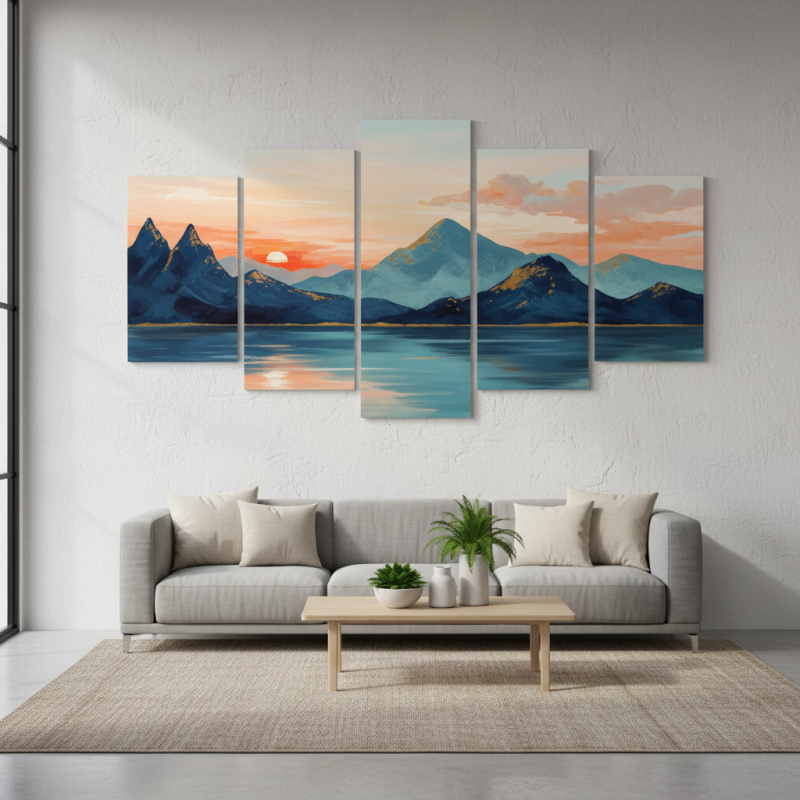
Expert tip: For large walls, group two or three canvases together. This is called a “gallery wall.” It makes the space feel balanced and lets you mix different designs.
Placement Rules
- Hang art at eye level (about 57-60 inches from the floor).
- Center the canvas over furniture (sofa, bed, table).
- For gallery walls, keep 2-3 inches between each piece.
Non-obvious insight: If your ceiling is high, hang art slightly higher than eye level. This fills the space and makes the room feel less empty.
Selecting Colors That Work
Color is the first thing people notice. The right colors make your space feel calm, energetic, or cozy.
How To Choose Art Colors
- Match the art’s main colors to your room’s palette.
- Use art to add color if your furniture is neutral.
- Pick contrasting colors for bold statements.
For example, if your room is mostly gray and white, a canvas with bright yellow or blue adds energy. If your space has many colors, choose art with one or two simple hues.
Data point: According to color psychology studies, blue is calming, red is energetic, and green is relaxing. Use these insights to match art to your room’s mood.
Color Comparison Table
Here’s how popular colors affect room mood:
| Color | Room Mood | Best Room Type |
|---|---|---|
| Blue | Calm, peaceful | Bedroom, living room |
| Red | Energetic, warm | Dining room, office |
| Green | Relaxing, fresh | Kitchen, bathroom |
| Yellow | Cheerful, bright | Kitchen, hallway |
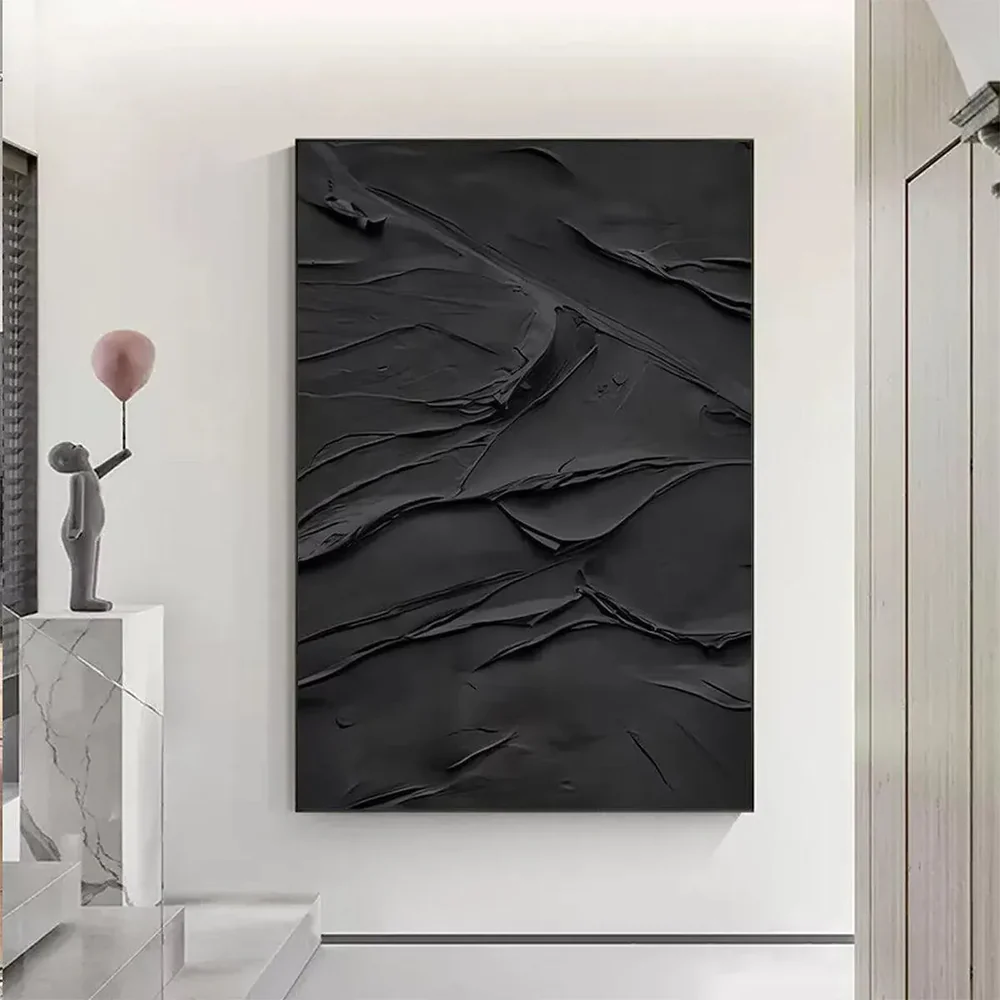
| Black & White | Modern, dramatic | Any room |
Common mistake: Don’t pick art with too many colors if your room is already busy. Keep it simple for a calm space.
Deciding Between Original Art And Prints
You can buy original art (painted by an artist) or canvas prints (reproductions of photos or paintings). Each has pros and cons.
Original Art
- Unique, one-of-a-kind
- Higher price
- Supports artists directly
- May increase in value
Canvas Prints
- Affordable
- Wide variety
- Easy to find online
- Can be customized (family photos, favorite places)
Non-obvious insight: Many people think original art is only for rich homeowners. But local artists often sell affordable pieces. Check art fairs, student galleries, or online markets.
If you want a special look, original art is best. If you care about budget or want matching sets, canvas prints are a smart choice.
Considering Quality And Materials
Not all canvas art is equal. Quality affects appearance, durability, and price.
What To Look For
- Canvas material: Cotton is top-quality, polyester is cheaper.
- Frame: Solid wood is best; avoid plastic or thin materials.
- Print quality: High-resolution prints look sharper.
- Coating: UV protection stops colors from fading.
Data point: Good-quality canvas art lasts 10–20 years without fading, while poor-quality pieces may fade in just 3–5 years.
Material Comparison Table
Compare features of cotton vs polyester canvas:
| Material | Texture | Durability | Price |
|---|---|---|---|
| Cotton | Natural, textured | Very durable | Higher |
| Polyester | Smooth, flat | Durable | Lower |
Expert tip: Ask sellers about ink and coating. Quality inks resist sunlight and humidity.
Credit: www.jglbuilding.com
Budgeting And Pricing
Canvas wall art comes in all price ranges. You can spend $20 or $2,000, depending on size, quality, and artist.
Typical Price Ranges
- Small prints: $20–$50
- Medium prints: $50–$150
- Large prints: $150–$500
- Original art: $200–$2,000+
Non-obvious insight: Prices vary by location and seller. Online stores often offer discounts. Local artists may be willing to negotiate.
Common mistake: Don’t buy the cheapest canvas. Poor-quality materials fade fast. Spend a bit more for lasting color and sturdy frames.
Shopping Tips And Where To Buy
You can buy canvas wall art from stores, online shops, galleries, or directly from artists.
Where To Find Quality Canvas Art
- Online retailers: Offer wide selection and reviews.
- Local stores: Let you see art before buying.
- Art fairs: Unique, original pieces.
- Direct from artists: Custom designs, personal touch.
A trusted resource for art buyers is Saatchi Art, which features both prints and originals.
Shopping Tips
- Read reviews for online art.
- Check return policies before buying.
- Ask about materials and frame quality.
- Compare prices for similar pieces.
Expert tip: Use online “preview” tools to see how art looks on your wall. Some stores let you upload a photo of your room and try different art pieces virtually.
Framing And Hanging Canvas Art
Canvas art usually doesn’t need a frame, but adding one can change the look. Framed canvases feel formal; unframed canvases look modern.
Hanging Tips
- Use wall hooks or strong nails.
- For large pieces, use two hooks for stability.
- Check weight limit of your wall hardware.
- Use a level to hang straight.
Non-obvious insight: Hang art in natural light, but avoid direct sunlight. Too much sun fades colors quickly.
Creating A Gallery Wall
A gallery wall is a group of art pieces arranged together. It’s a way to show several canvases and create a focal point.
How To Build A Gallery Wall
- Choose a theme (color, style, subject).
- Pick 3–9 canvases of different sizes.
- Lay out art on the floor before hanging.
- Keep spacing even (2–3 inches).
- Hang at eye level.
Common mistake: Don’t crowd pieces too closely. Leave space for each piece to “breathe.”
Credit: www.brendandalziel.com
Seasonal And Rotational Art
Some people change their canvas art with the seasons. This keeps rooms fresh and lively.
How To Rotate Art
- Store extra canvases safely (flat, cool place).
- Swap out art every few months.
- Use frames or hooks that make changing easy.
Expert tip: Buy a few neutral canvases, then add seasonal prints (flowers in spring, landscapes in winter).
Caring For Canvas Wall Art
Taking care of your canvas art keeps it looking new.
Maintenance Tips
- Dust gently with a dry cloth.
- Avoid water or cleaning sprays.
- Keep away from direct sunlight and moisture.
- Check frames for looseness.
Non-obvious insight: If you move, wrap canvases in bubble wrap and store upright. Don’t stack heavy items on top.
Credit: montcarta.com
Frequently Asked Questions
What Is The Best Way To Hang Canvas Wall Art?
Use strong wall hooks or nails. Hang at eye level (57–60 inches from the floor). For big canvases, use two hooks for stability. Always check the weight limit of your hardware and use a level to keep art straight.
How Do I Pick Canvas Art That Matches My Room?
Look at your room’s colors and style. Match the art’s main colors to your walls and furniture. Choose designs that fit your decor (modern, traditional, etc. ). Try online preview tools to see how art looks before buying.
Can I Mix Different Styles Of Canvas Art?
Yes. Mixing styles makes your space feel unique. Try combining abstract with landscapes, or black-and-white with colorful prints. The key is to use a theme (color or subject) to tie pieces together.
How Long Does Canvas Wall Art Last?
High-quality canvas art can last 10–20 years without fading. Avoid placing art in direct sunlight or humid areas. Clean gently and check frames regularly. Cheap canvas may fade faster, so invest in quality materials.
Is Original Canvas Art Worth The Price?
Original art is unique and supports artists directly. It may increase in value. If your budget allows, original art gives your home character. Canvas prints are more affordable and offer more options, but originals are special.
Choosing canvas wall art for your home is more than picking a pretty picture. It’s about showing your personality, making your space feel right, and investing in quality. Take your time, measure your walls, and match colors to your mood.
Don’t be afraid to mix styles or try new designs. Canvas art is flexible and easy to change, so you can keep your home looking fresh for years. With these tips, you’ll make confident choices and find art that fits your life and style perfectly.
